Apr 22, 2026 | Asteroid, Big Ideia 5, Black Hole, Comet, Exoplanet, FTP-Europlanet, Galaxy, Resource, Star, Supernovae
☄️ A2.2 Toolkit: Faulkes and LCO Robotic Telescope Handbook This manual provides instructions for students on operating the Faulkes and LCO Robotic telescopes, offering step-by-step guidance for efficient utilization and exploration of celestial objects for...
Feb 5, 2026 | Big Ideia 10, Exoplanet, FHOU, Resource, Star
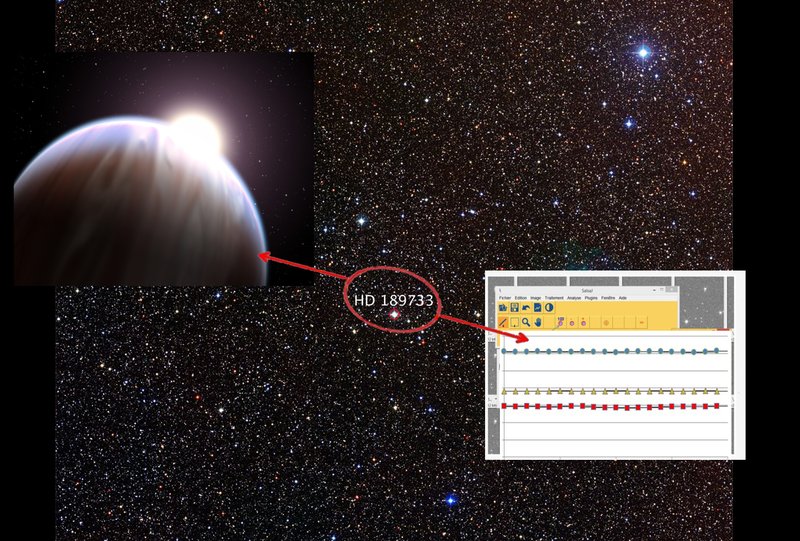
In this activity you will learn how to reveal the presence of a planet orbiting a star other than the Sun using the “transit method”. You will use an open source software to observe a time series of images of the sky taken by the Spitzer Space Infrared Telescope, and...
Feb 5, 2026 | Big Ideia 4, Big Ideia 6, Black Hole, FHOU, Resource, Star
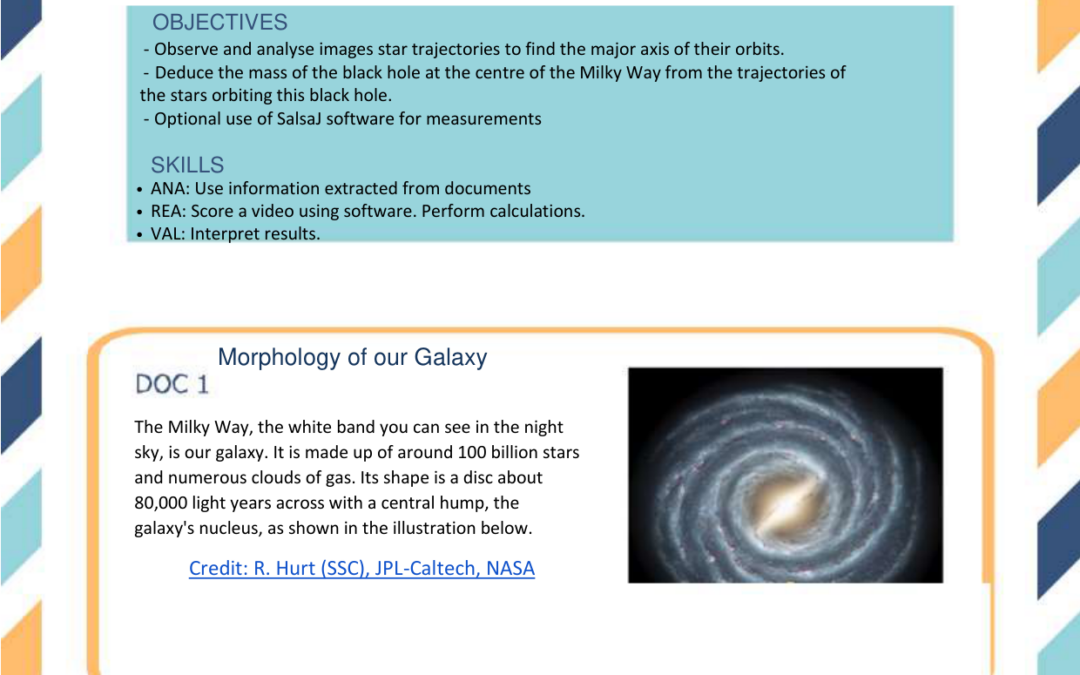
Students analyze time-series images of stars orbiting the Galactic center to reconstruct their trajectories and identify orbital shapes. They extract quantitative data (positions, distances, periods) and model the orbit of a reference star as an ellipse. Using these...
Feb 5, 2026 | CY, Resource
Students investigate Kepler’s relations by combining embodied perception and measurement on the Human Orrery. In small groups, they design protocols to test hypotheses about orbit shape, swept areas, and period–distance relationships, then compare measurements with...
Feb 5, 2026 | Big Ideia 7, FHOU, Resource, Solar System
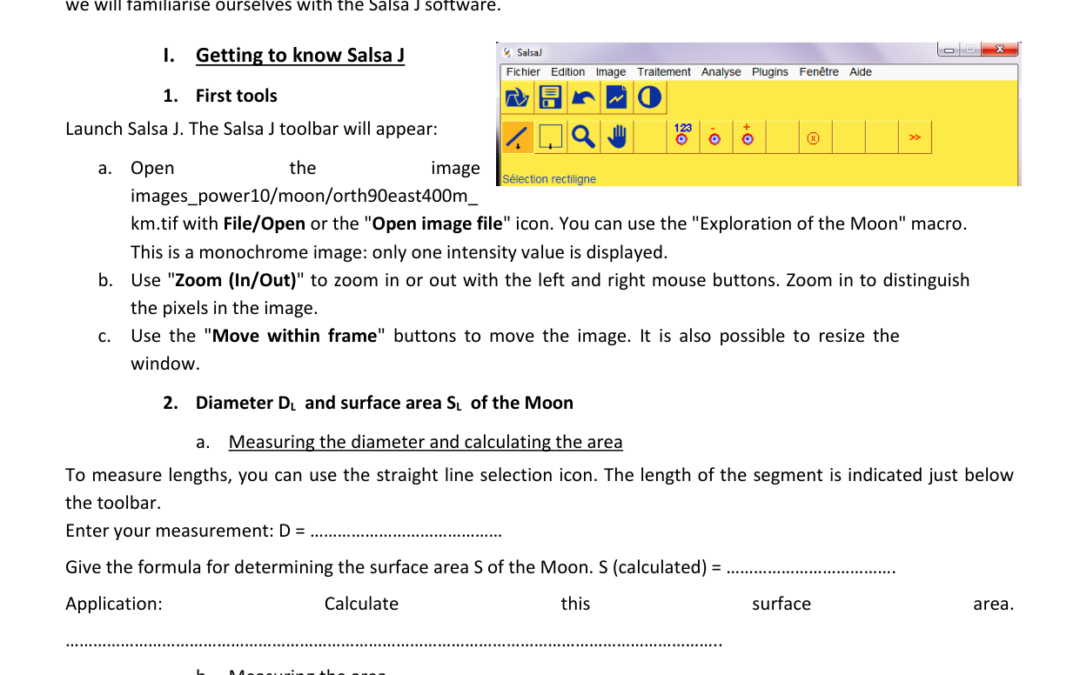
There are two types of regions on the Moon: craters and seas. Craters are created when a large meteorite hits the Moon. Seas are formed during geological events that flatten large areas of the Moon. Some regions have been explored by other astronauts who have brought...
Feb 5, 2026 | Exoplanet, NUCLIO, Resource
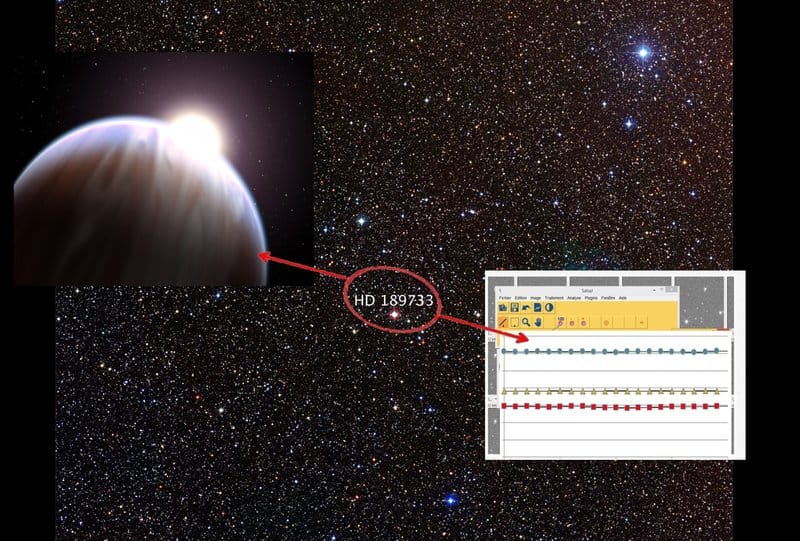
Discover an exoplanet : the transit method Unveil an extrasolar planet by observing the light intensity emitted by its mother star. An extrasolar planet, or exoplanet, is a planet outside the Solar System. Until March 2012, astronomers have made detections of 762...