Feb 5, 2026 | Big Idea 10, Exoplanet, FHOU, Resource, Star
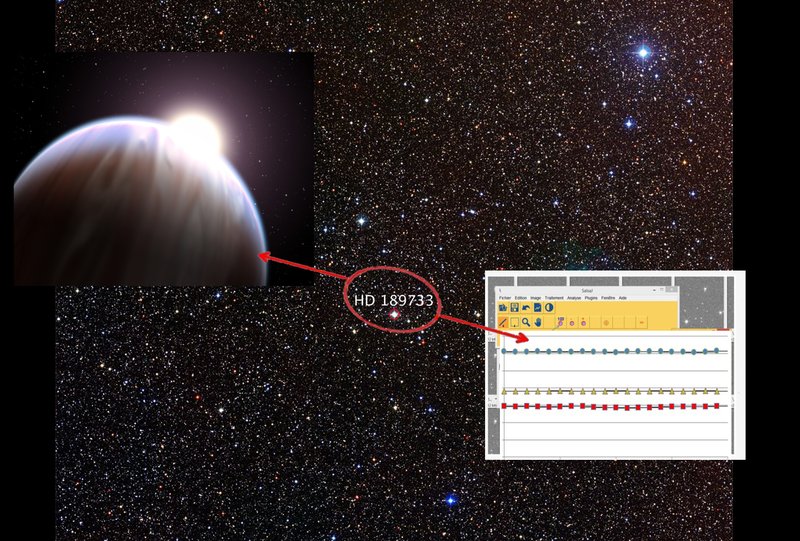
In this activity you will learn how to reveal the presence of a planet orbiting a star other than the Sun using the “transit method”. You will use an open source software to observe a time series of images of the sky taken by the Spitzer Space Infrared Telescope, and...
Feb 5, 2026 | Big Idea 4, Big Idea 6, Black Hole, FHOU, Resource, Star
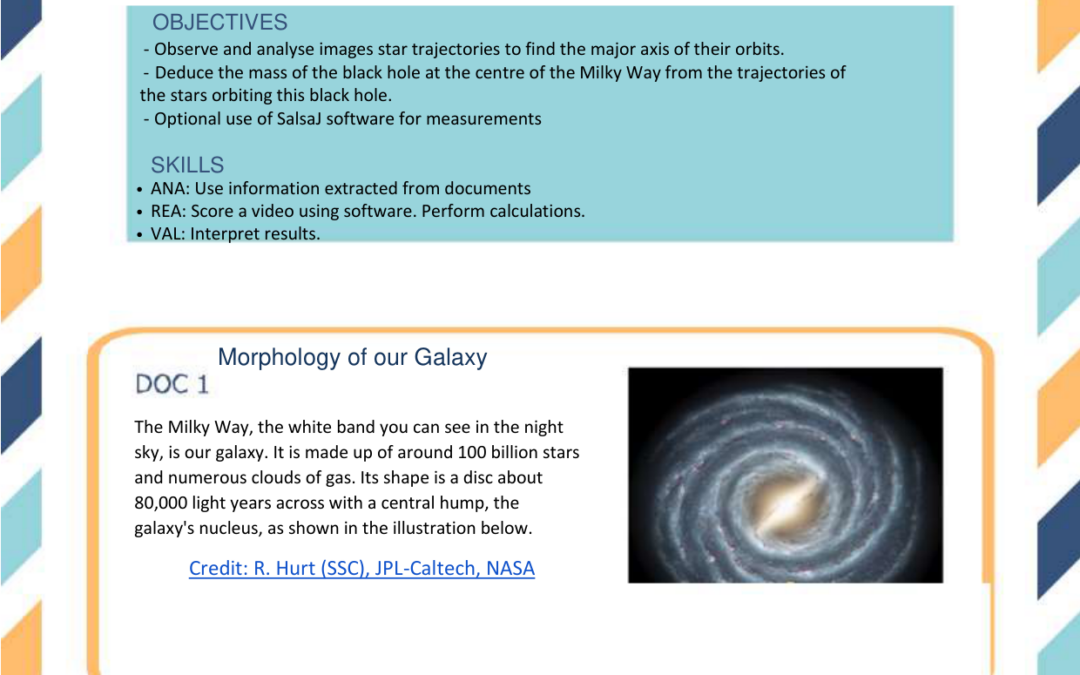
Resource Link Access the complete activity resource Activity Information Partner Organization: FHOU Age Range: 15 – 18+ years Education Level: Secondary to University Duration: 1 Big Ideas Astronomy is a science that studies celestial objects and phenomena in...
Feb 5, 2026 | Big Idea 1, Big Idea 2, Big Idea 3, FHOU, Resource, Solar System, Star
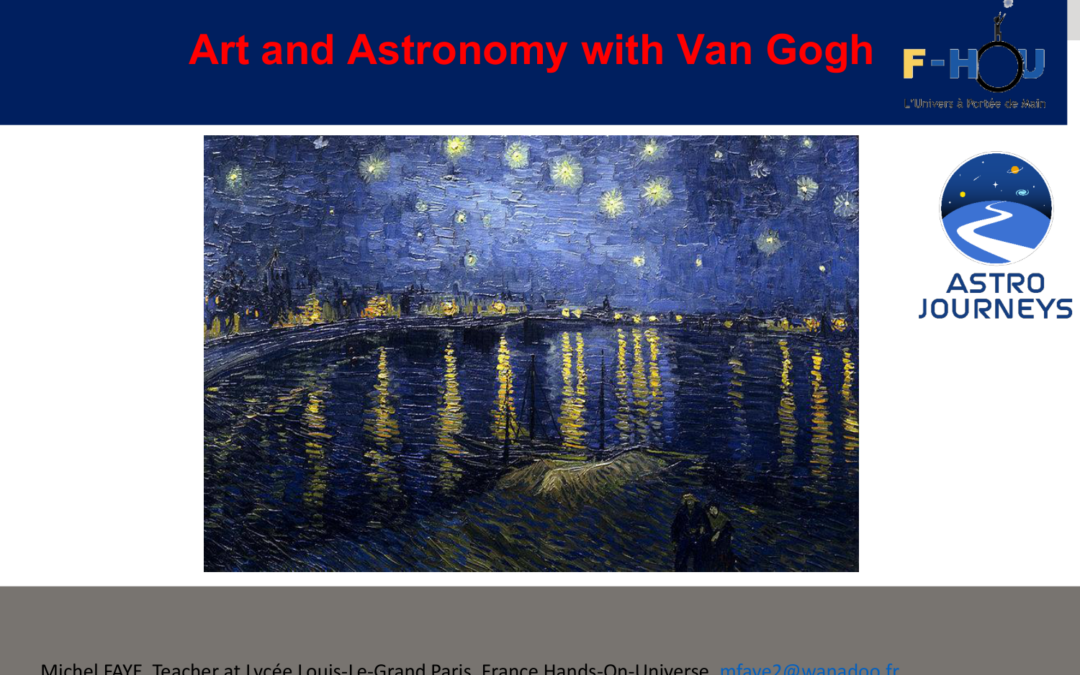
Art and Astronomy with Van Gogh. Resource Link Access the complete activity resource Activity Information Partner Organization: FHOU Age Range: 9 – 18+ years Education Level: Primary to Middle school Duration: 1 Big Ideas Astronomy is one of the oldest sciences...
Feb 5, 2026 | Big Idea 10, Big Idea 4, Big Idea 6, Exoplanet, FHOU, Resource, Star
In this exercise, we explain how an exoplanet orbiting a star can be detected using a precise measurement of the star’s velocity. The radial velocity method takes into account the fact that the planet and the star are both orbiting the centre of mass of the...
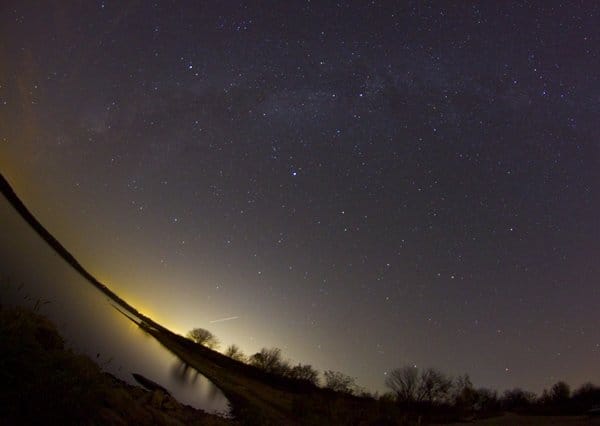
Feb 5, 2026 | NUCLIO, Resource, Star
Life cycle of stars – Plotting your own HR diagram! Resource Link Access the complete activity resource Activity Information Partner Organization: NUCLIO Age Range: Education Level: Duration: Big Ideas Source: External...

Feb 5, 2026 | Big Idea 4, Big Idea 5, Big Idea 6, Big Idea 9, Black Hole, Galaxy, IAC, Resource, Star
There are different methods for measuring the distances at which heavenly objects are located. Each method is useful for measuring a certain range of distances. In Unit 2 “Distances in the universe. Galaxies”, you can see how distances to the nearest stars in our...