Feb 5, 2026 | Big Ideia 3, Big Ideia 7, OAE, Resource
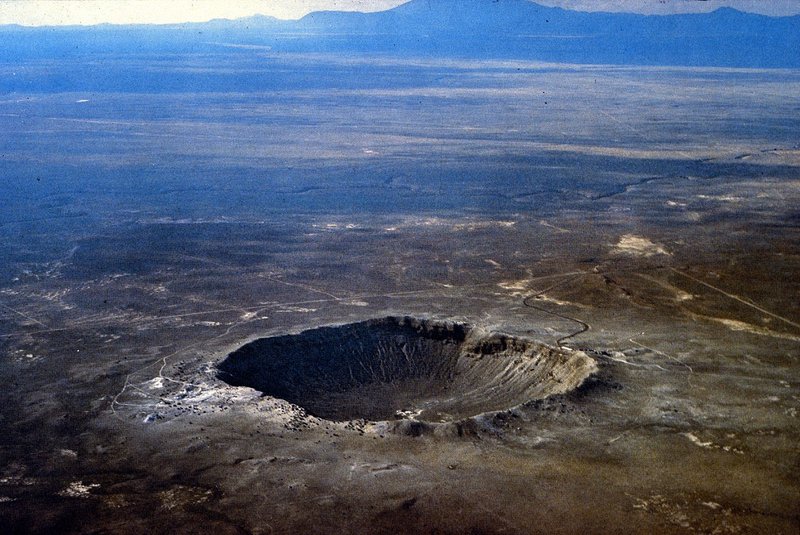
With this activity the students learn the difference between meteoroids, meteors and meteorites, finally discovering what a “shooting star” is, thanks to simple, hands-on activities. They will also be able to get an idea of how the impact of asteroids...
Feb 5, 2026 | Big Ideia 8, OAE, Resource
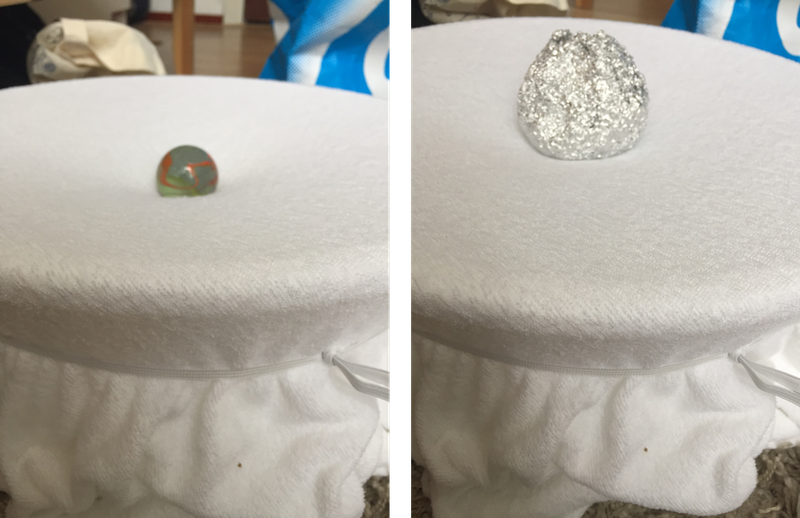
Let’s ask ourselves wht would happen if our Sun was replaced by a black hole, making some experiments to understand what a black hole is and how nothing can escape from its’ gravity. Resource Link Access the complete activity resource Activity Information...
Feb 5, 2026 | Big Ideia 7, OAE, Resource
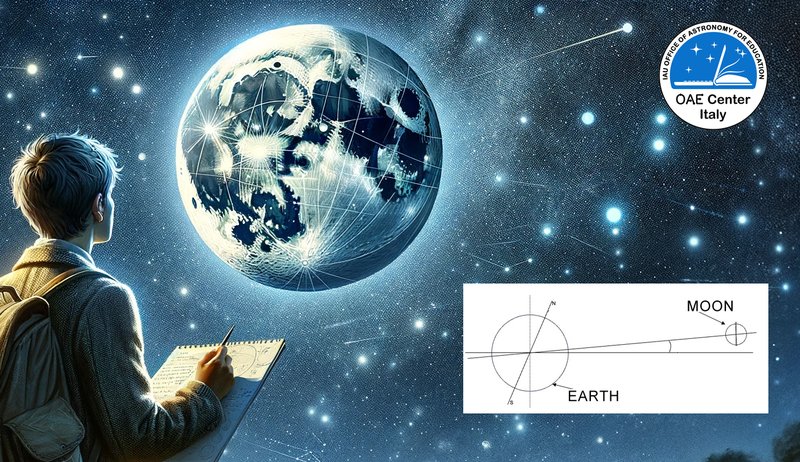
In this activity we will observe the Moon determining some characteristics of its motion and orbit, like the difference between the synodic and sidereal periods and the inclination of its orbit. With this simple example, we will learn how to use a cross-staff, a...
Feb 5, 2026 | Big Ideia 7, OAE, Resource, Solar System
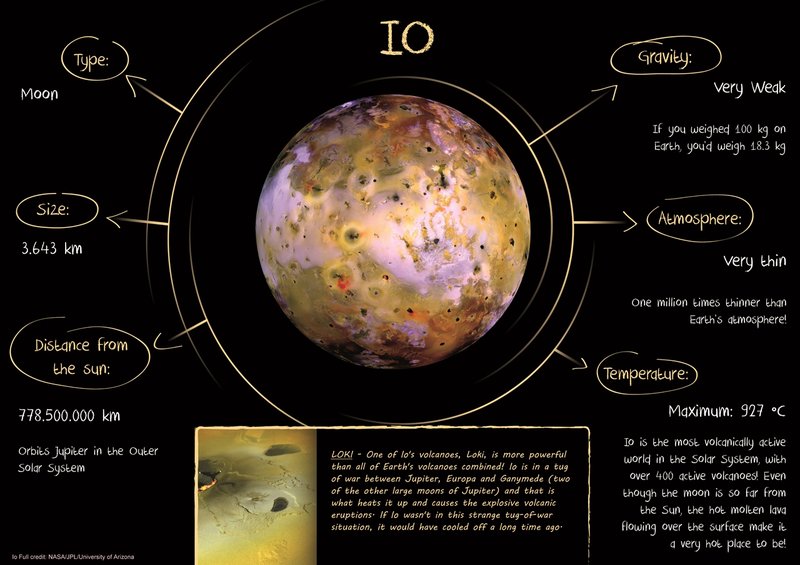
Using planetary maps, students will be able to read cartographic information and compare the environmental conditions of Jupiter’s moon Io to those Earth. They will understand the conditions needed for life to exist, and be able to explain why it cannot exist on...
Feb 5, 2026 | OAE, Resource
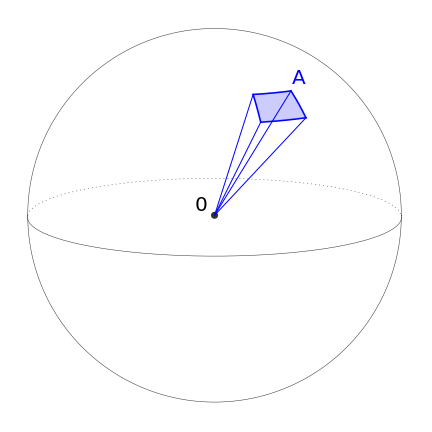
Using everyday objects such as streetlights, students can understand how astronomers use astronomical standard candles to measure astronomical distances, as well as their possible error sources. This practical activity also introduces students to digital image...
Feb 5, 2026 | Big Ideia 8, OAE, Resource
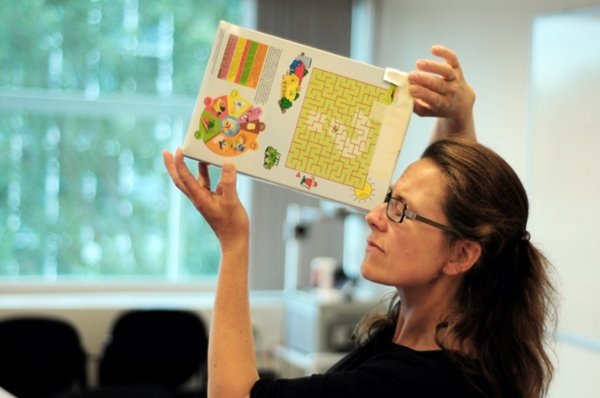
It is very dangerous to look directly at the Sun, even briefly! Let’s learn how to build a safe Sun viewer using cheap household items. At the end of this activity, you will have built a cheap but effective pinhole camera from a cardboard box to observe the Sun...