Feb 5, 2026 | Big Ideia 8, OAE, Resource
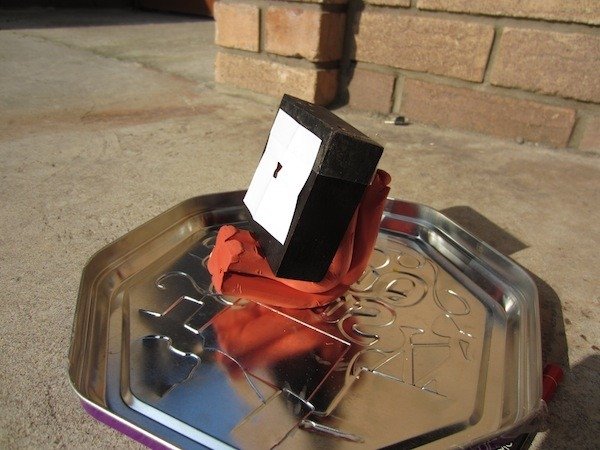
In this activity you will calculate the Sun’s diameter with a hands-on simple experiment done with simple, household materials and -of course- without looking directly at the Sun. You will just need to learn how to calculate ratios, a mirror, a stop-watch, and...
Feb 5, 2026 | OAE, Resource
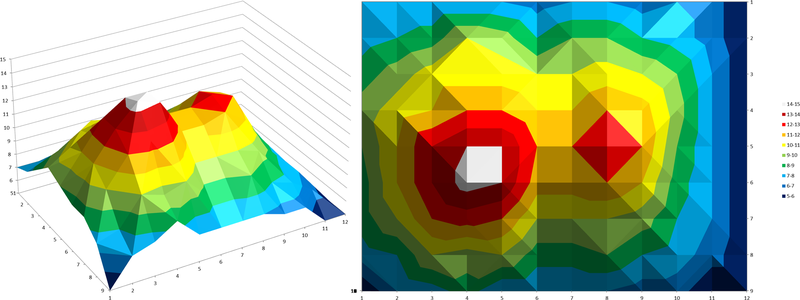
This activity deals with altitude measurements obtained with radar altimetry, a powerful tool used by satellites with low Earth orbits that helps in many different sectors like monitoring of climate changesindicators and disaster management. To simulate the radar...
Feb 5, 2026 | Big Ideia 7, Earth, OAE, Resource, Solar System
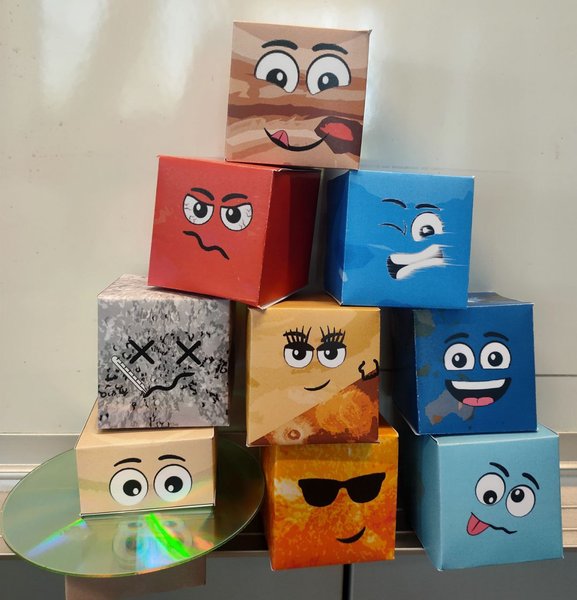
Earth, the happy planet. Mars, the angry guy. Jupiter, the big glutton. Did you ever imagine to build the planets of the Solar System as cubic characters with their own, brilliant personalities? Tailored for individual or team work, this activity allows students to...
Feb 5, 2026 | Big Ideia 3, OAE, Resource
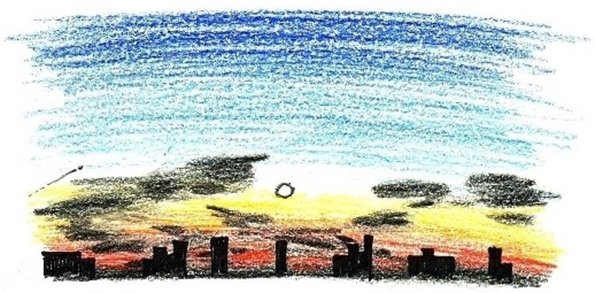
There are many interesting features in the evening sky that can be observed with the naked eye: a wide variety of colours, clouds and stars, the subtle colours of stars twinkling, motion of the stars, and…that there is a starry sky even in an urban area!...
Feb 5, 2026 | Big Ideia 4, OAE, Resource
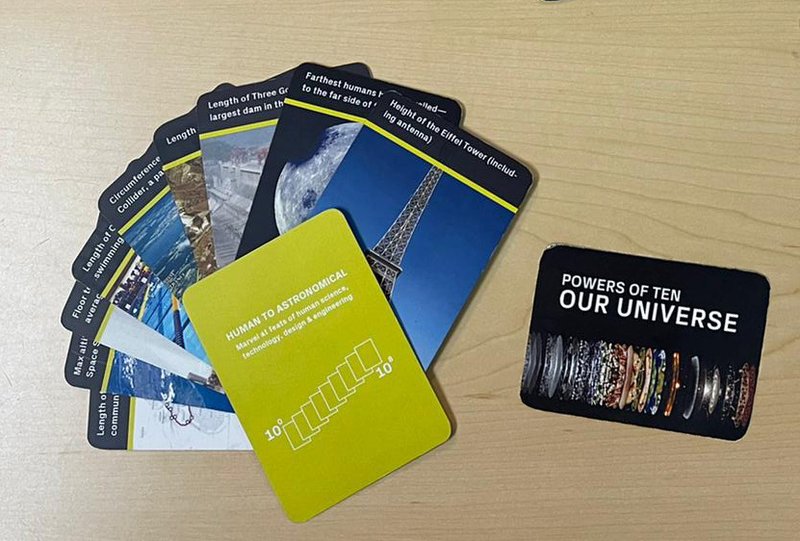
To understand the very diverse scales in Nature —from the smallest meaningful length (Plank’s length) to the size of the observable Universe, let’s familiarize ourselves with orders of magnitude or powers of 10! In this activity, students play a game of cards to...
Feb 5, 2026 | Big Ideia 3, Big Ideia 7, OAE, Resource
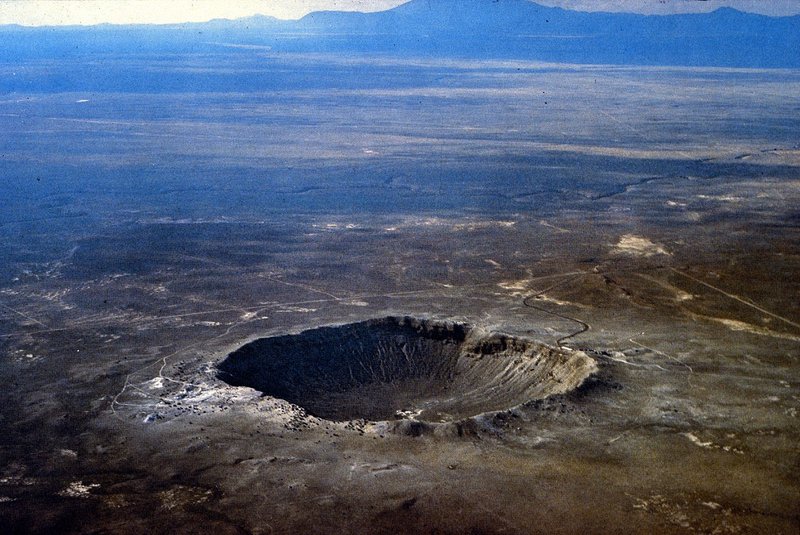
With this activity the students learn the difference between meteoroids, meteors and meteorites, finally discovering what a “shooting star” is, thanks to simple, hands-on activities. They will also be able to get an idea of how the impact of asteroids...