Suggested Resources
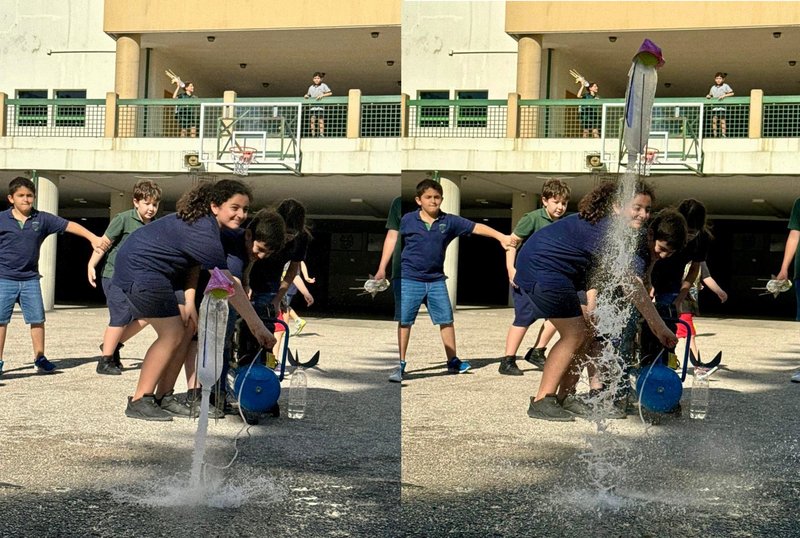
3…2…1… time for water rockets!
Building and launching rockets is a funny activity. It combines the excitement of watching a rocket launch with the additional pleasure of mastering an engineer problem. In short, it’s fun for all ages.
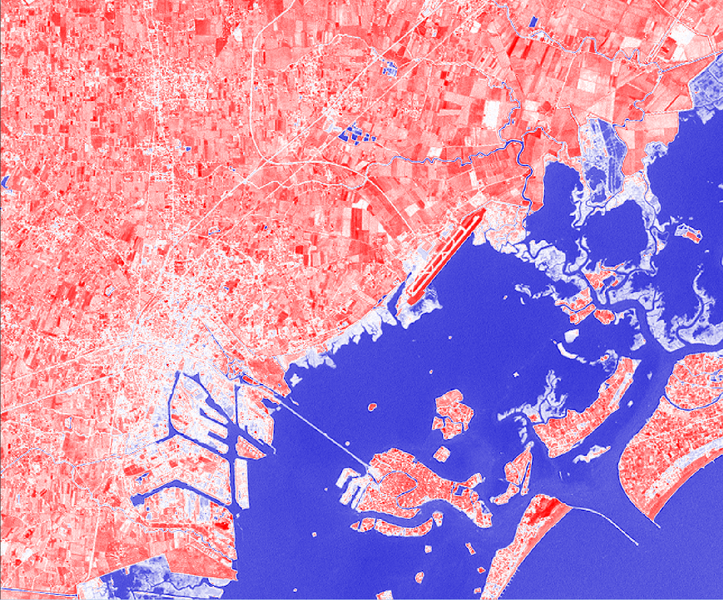
A view from above
Multispectral satellite images are fundamental in deciphering Earth surface features like vegetation or open water areas. With this activity, students will understand the importance of this data for preserving life on Earth and get a hands-on know-how of how real remote sensing satellite data is being analysed, using an educational software package (LEO Works).
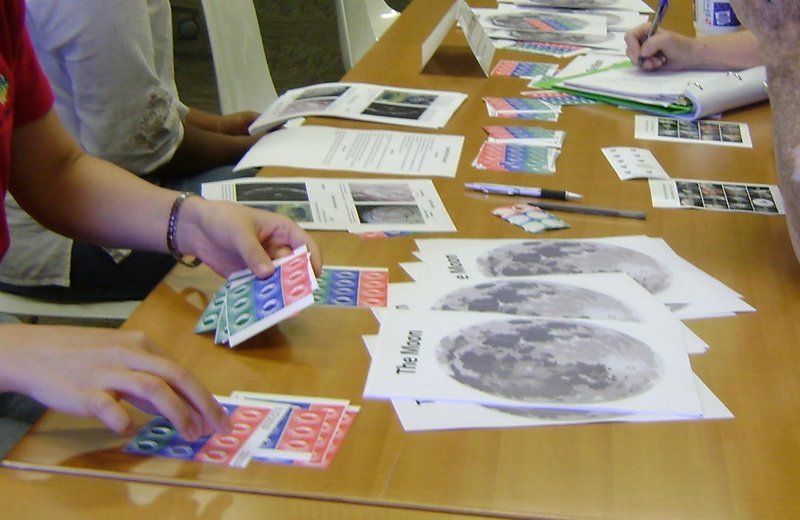
Age that crater!
In Age that Crater! students will learn about the existence of craters on the Moon and on other planetary bodies and how they occur. They can also learn how to approximately age these craters, comparing them to other craters. This activity gives young students an introduction to phenomena occurring in the Solar System and on our own Earth. This activity is a student-driven inquiry process employing the Predict, Explain, Observe, Explain (PEOE) model, encouraging students to engage their education through self-drive inquiry and investigation. This activity is aligned with the Next Generation Science Standards (NGSS) for elementary and middle school students.
Asteroids with Robotic Telescopes
Asteroids with Robotic Telescopes
Astronomy with SalsaJ
This project goes through plotting your own Hertzsprung-Russell diagram using Faulkes Telescope data and SalsaJ.
Astronomy with SalsaJ
Discover an exoplanet : the transit method.
Unveil an extrasolar planet by observing the light intensity emitted by its mother star. An extrasolar planet, or exoplanet, is a planet outside the Solar System.
AstroPoetry writing
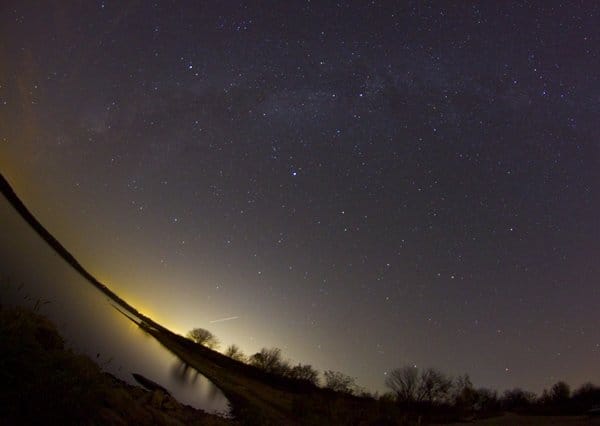
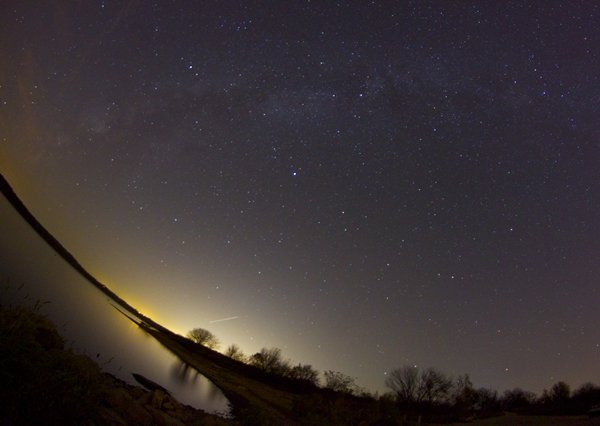
Students are guided in this activity to write a poem observing the night sky and identfying some of the main astronomical objects they can recognize (using a sky chart or a software). Through this creative process, they will learn to be more aware of the night sky and appreciate it. They will also learn more about astronomical topics and improve their communication skills.
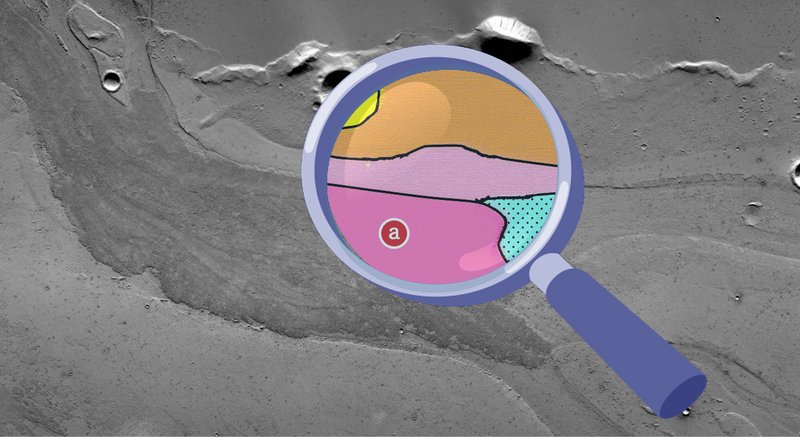
Become a Geo-detective!
With this hands-on activity, students will learn the basic concepts of planetary geologic mapping based on photointerpretation of spacecraft images of planetary surfaces. They will practice on different images of planet Mars, reconstructing the sequence of events that shaped that precise place of the red planet, learning to become real Geo-detectives!
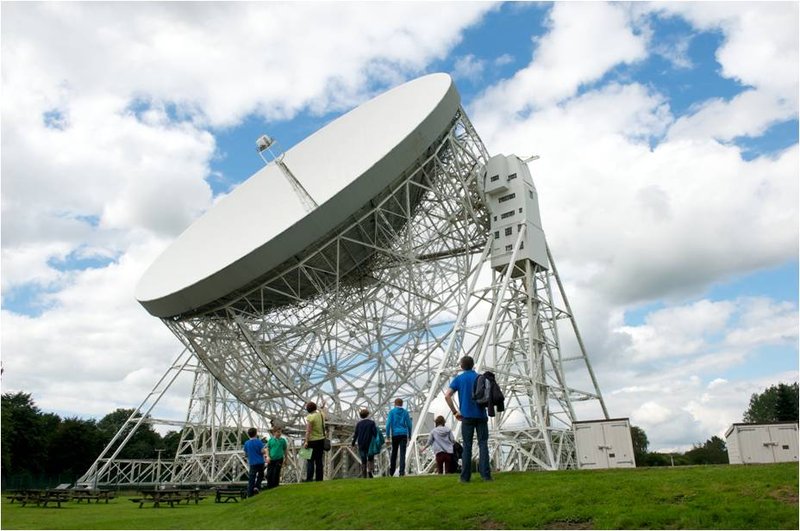
Big Telescopes: Gravity
Students perform an investigation to measure the strength of gravity on Earth, either by measuring the acceleration of a falling object or by using Newton meters to weigh masses. They learn investigative skills as well as Newton’s classic model of gravity. Then students explore how gravity affects objects in space, confronting the popular misconception that there is ‘no gravity in space’. A large hoop and stretchy material simulates the curvature of spacetime as in Einstein’s theory of general relativity: it is a fun exercise that provides a model of how gravity acts.
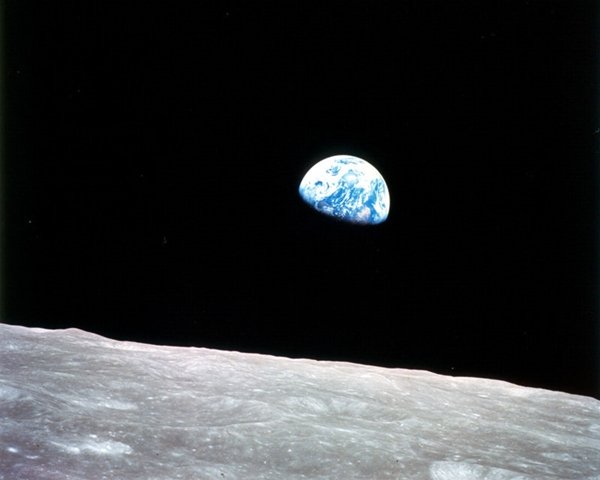
Blue marble in empty Space
The activity is a guided voyage in Space that uses videos, images and hands-on activities to help students learn about scales and distances of the Solar System and understand how important yet small the Earth is. It should also give students a sense of global citizenship, making them understand that we all live on the same tiny blue planet floating around in the vast emptiness of Space.
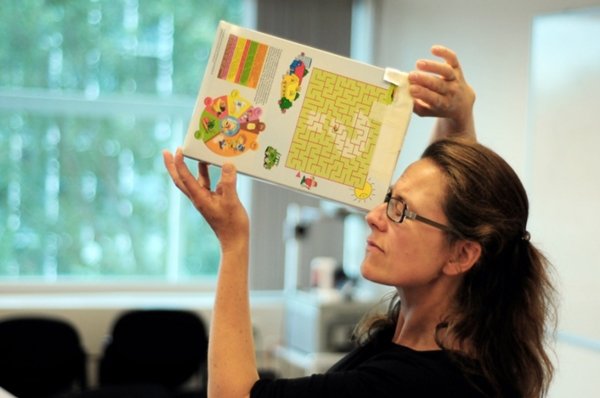
Build a safe Sun viewer
It is very dangerous to look directly at the Sun, even briefly! Let’s learn how to build a safe Sun viewer using cheap household items. At the end of this activity, you will have built a cheap but effective pinhole camera from a cardboard box to observe the Sun and learned how to use it.
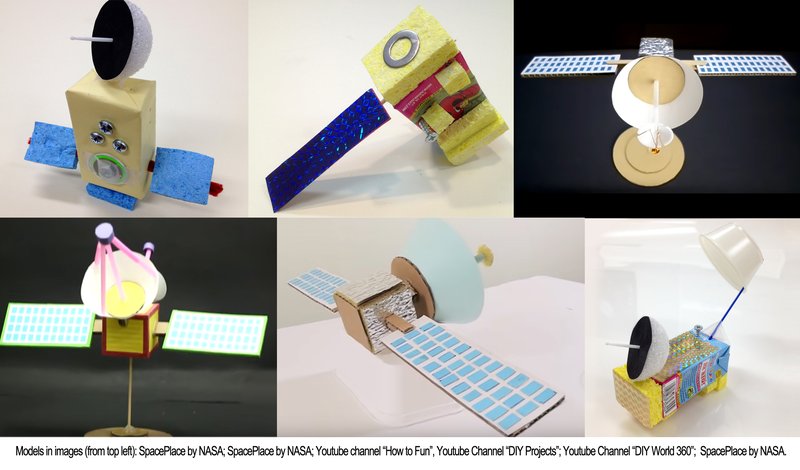
Build your own artificial satellite
By building a satellite using household materials, students learn about artificial satellites, their functions and importance to society.
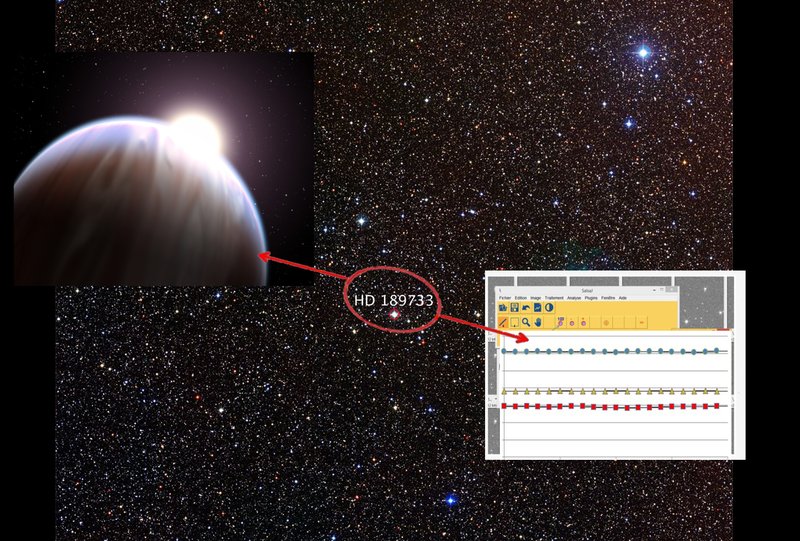
Can you find the exoplanet?
In this activity you will learn how to reveal the presence of a planet orbiting a star other than the Sun using the “transit method”. You will use an open source software to observe a time series of images of the sky taken by the Spitzer Space Infrared Telescope, and to measure the change in light intensity of three different stars over time. You will then observe which one has a variation over a short period and understand that this decrease corresponds to the transit of a planet along the star’s line of sight. Using a simplified model of the planet/star system, you will also be able to determine the planet’s radius from your observations.
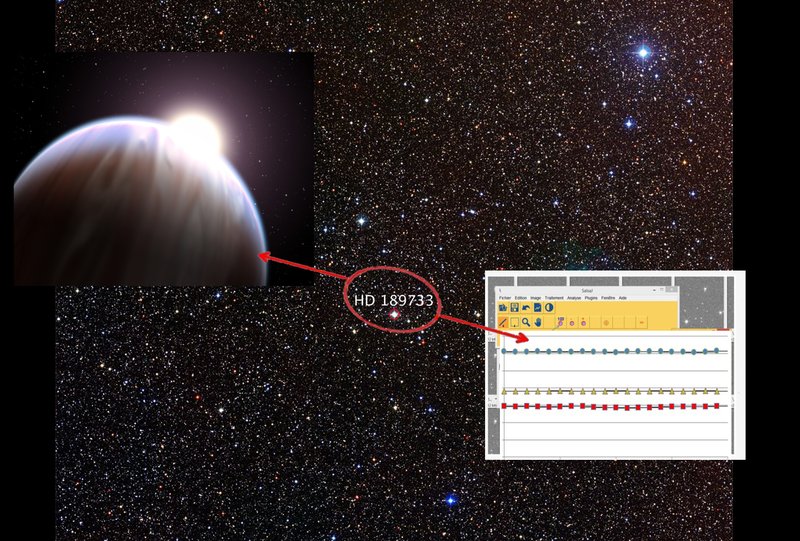
Can you find the exoplanet?
In this activity you will learn how to reveal the presence of a planet orbiting a star other than the Sun using the “transit method”. You will use an open source software to observe a time series of images of the sky taken by the Spitzer Space Infrared Telescope, and to measure the change in light intensity of three different stars over time. You will then observe which one has a variation over a short period and understand that this decrease corresponds to the transit of a planet along the star’s line of sight. Using a simplified model of the planet/star system, you will also be able to determine the planet’s radius from your observations.
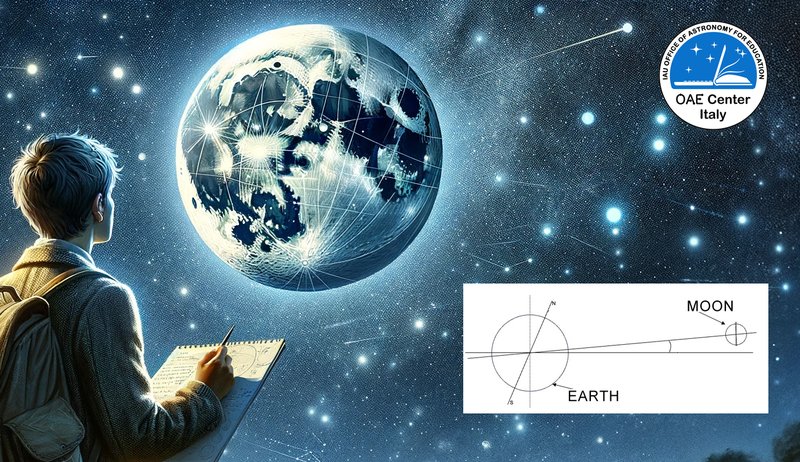
Chasing the Moon
In this activity we will observe the Moon determining some characteristics of its motion and orbit, like the difference between the synodic and sidereal periods and the inclination of its orbit. With this simple example, we will learn how to use a cross-staff, a simple observational tool that you can also build by yourself (see previous activity: The Sky at your fingertips).
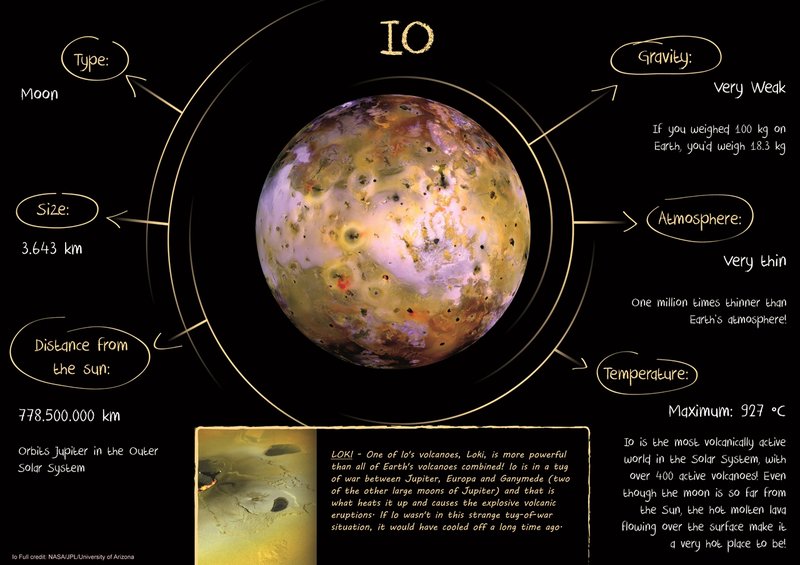
Children’s Planetary Maps: Io
Using planetary maps, students will be able to read cartographic information and compare the environmental conditions of Jupiter’s moon Io to those Earth. They will understand the conditions needed for life to exist, and be able to explain why it cannot exist on Io.
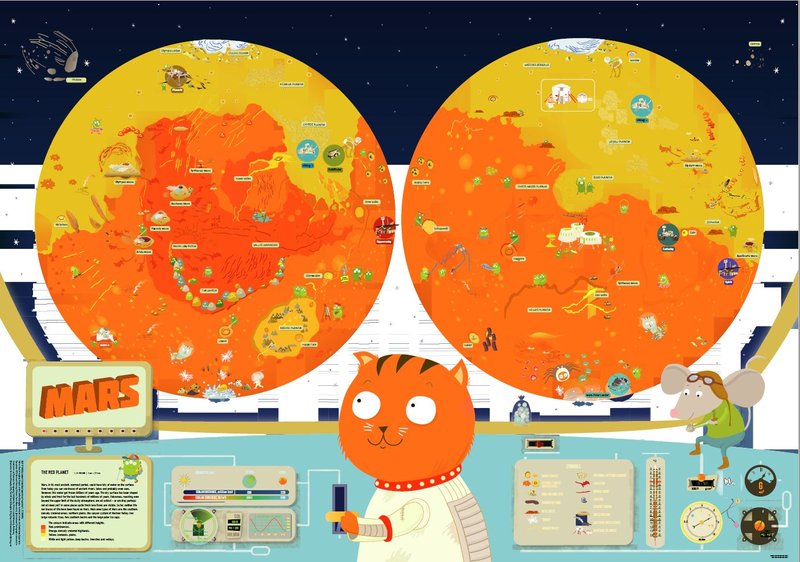
Children’s Planetary Maps: Mars
In this activity students will explore Mars, getting a general view of the Red planet. To do this, they will learn how scientists create and use maps reading cartographic information like legends and symbols. Using planetary maps, students will also be able to compare the environmental conditions of Mars to those on Earth, understanding the conditions needed for life and why it cannot exist on Mars.
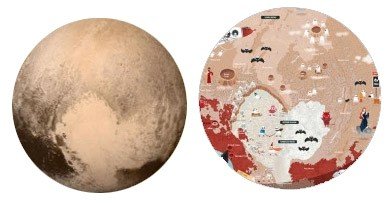
Children’s Planetary Maps: Pluto & Charon
With this activity students will use planetary maps to compare the environmental conditions of Pluto and its moon Charon to those on Earth. They will understand the conditions needed for life to exist, and be able to explain why it cannot exist on Pluto or Charon.
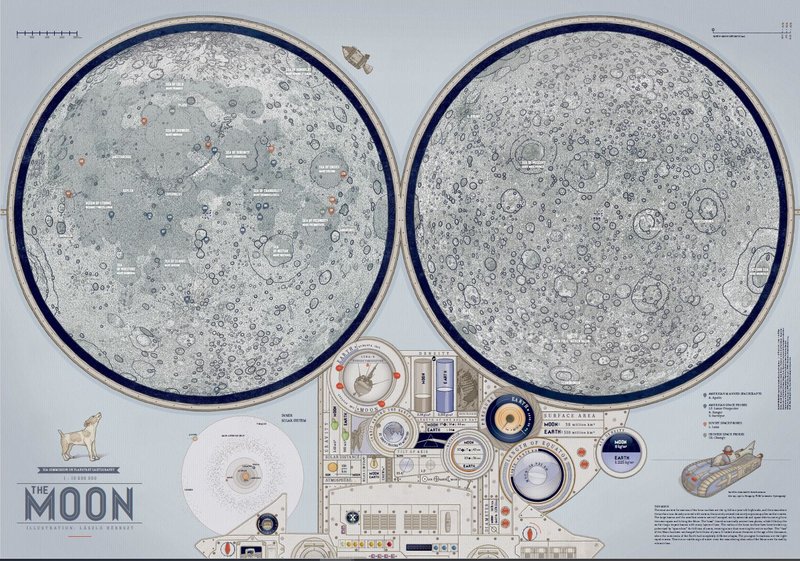
Children’s Planetary Maps: the Moon
Using planetary maps, students will be able to read cartographic information about the Moon and compare the environmental conditions of our satellite to those on Earth. They will understand the conditions needed for life to exist, and be able to explain why it cannot exist on the Moon.
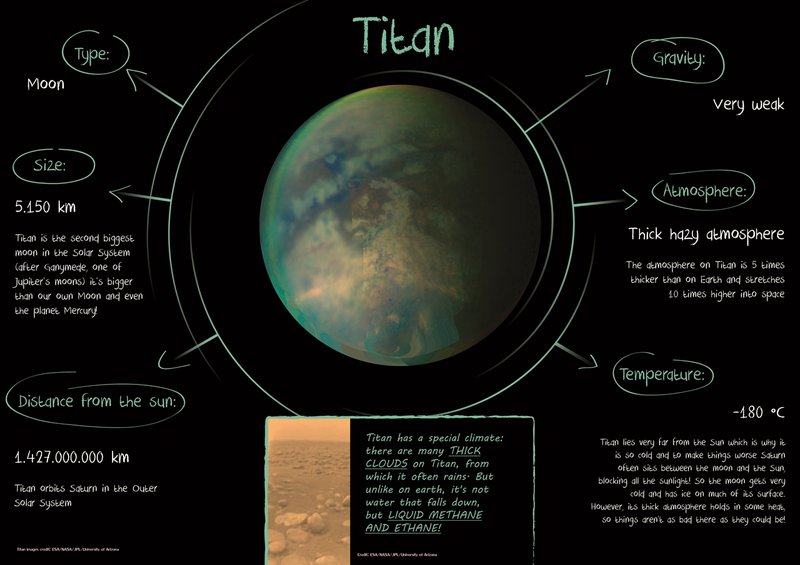
Children’s Planetary Maps: Titan
Using planetary maps, students will be able to read cartographic information and compare the environmental conditions of Titan to those Earth. They will understand the conditions needed for life to exist, and be able to explain why it cannot exist on Titan.