Feb 5, 2026 | Big Idea 11, Big Idea 2, Big Idea 4, Big Idea 5, Big Idea 8, IAC, Resource, Sun
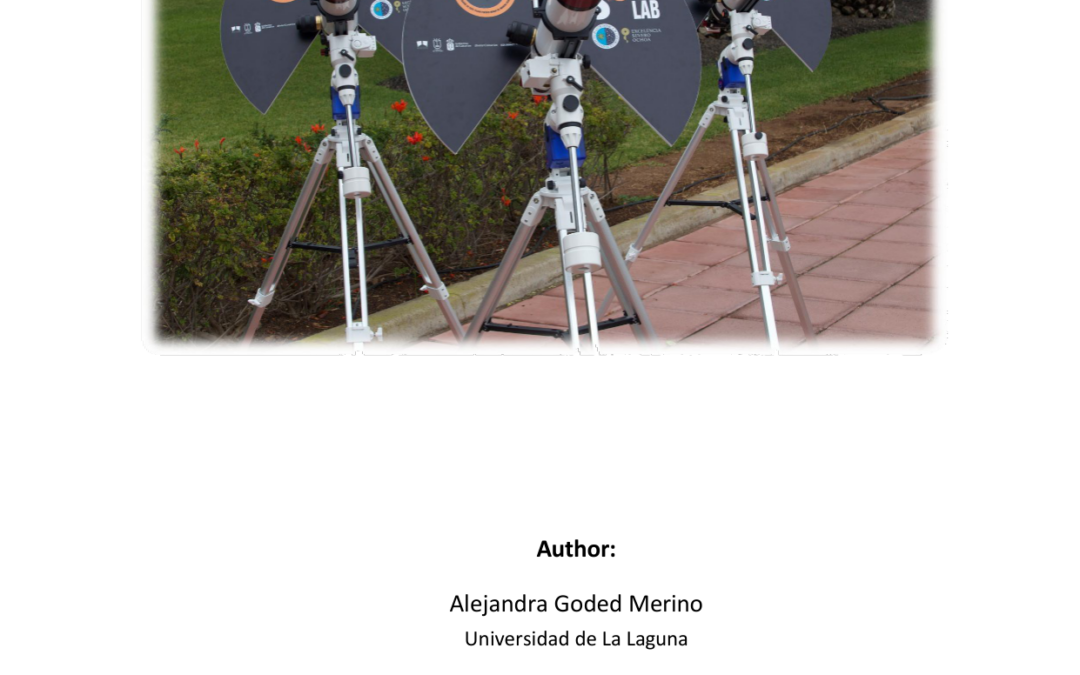
Understanding solar activity is relevant because the physical phenomena that cause it cannot be studied on Earth, and also because it allows us to predict space weather. Solar storms (coronal mass ejections) carry large amounts of charged particles that form auroras...
Feb 5, 2026 | OAE, Resource
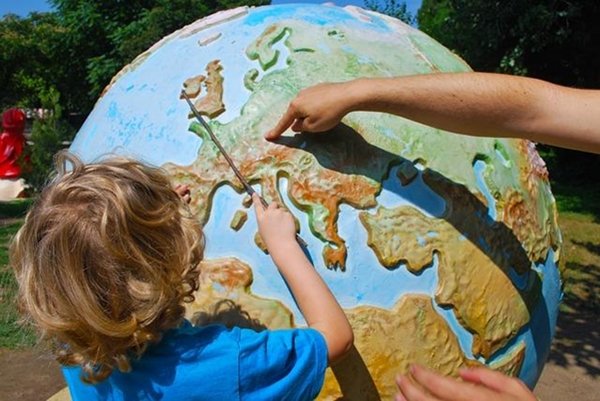
Let’s learn how to observe, discuss, and draw a map. With this hands-on activity, students learn how to identify different elements on a map like mountains and oceans, that each map has a scale and cardinal points. They also learn how modern maps are made using...
Feb 5, 2026 | OAE, Resource
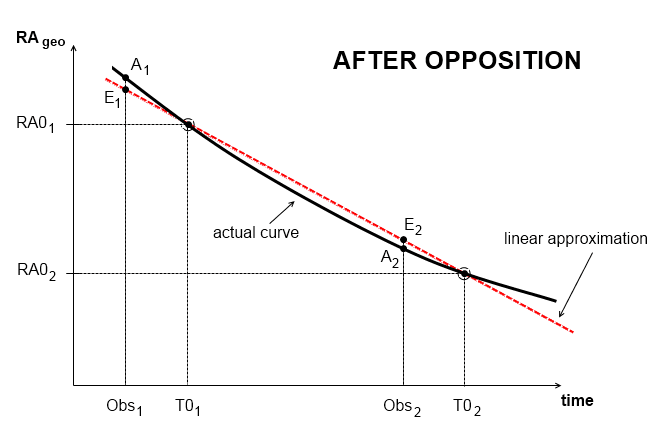
With this observational, hands-on activity, students can measure the distance of a selected asteroid within an accuracy of 5% in just 2 observational nights, using a telescope, online software and some modest amateur gear. Students will learn that an astronomical...
Feb 5, 2026 | Big Idea 2, OAE, Resource
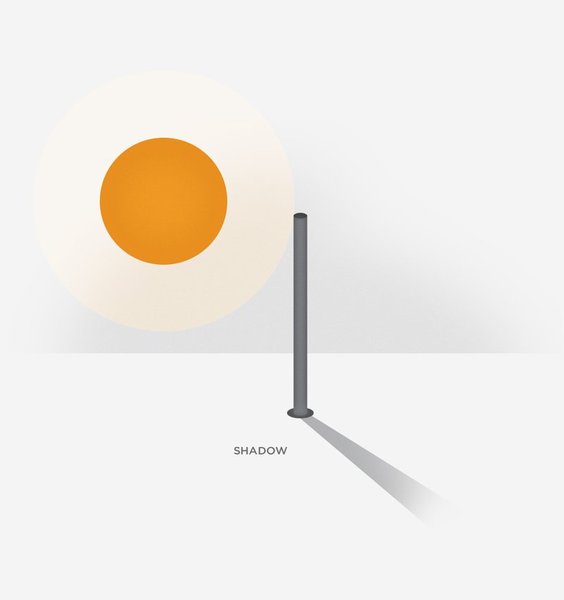
The activity demonstrates the concept of how the Sun’s position in the sky influences the shadows that are cast, making a relation between shadow length and the time of day and year. The Sun’s shadow has enabled generation after generation to observe changes in the...
Feb 5, 2026 | Earth, OAE, Resource
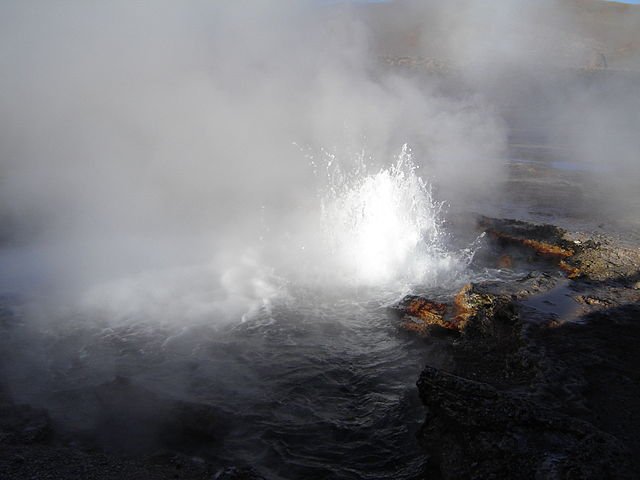
Carbon dioxide (or CO2) is very important for life on Earth: it is found all around us in the air we breathe, it is one of the most important greenhouse gases, and it is fundamental in photosynthesis. Through a practical demonstration, this activity introduces...
Feb 5, 2026 | Big Idea 7, OAE, Resource, Solar System
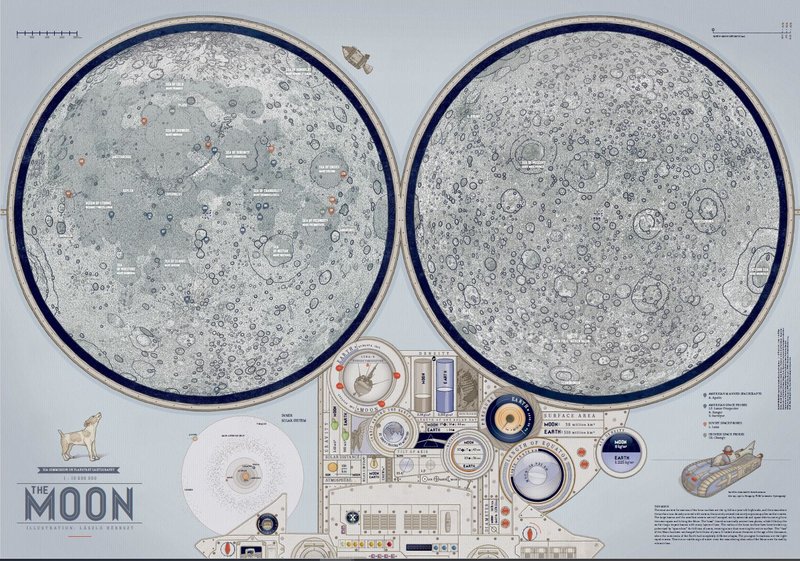
Using planetary maps, students will be able to read cartographic information about the Moon and compare the environmental conditions of our satellite to those on Earth. They will understand the conditions needed for life to exist, and be able to explain why it cannot...