Feb 5, 2026 | CY, Resource
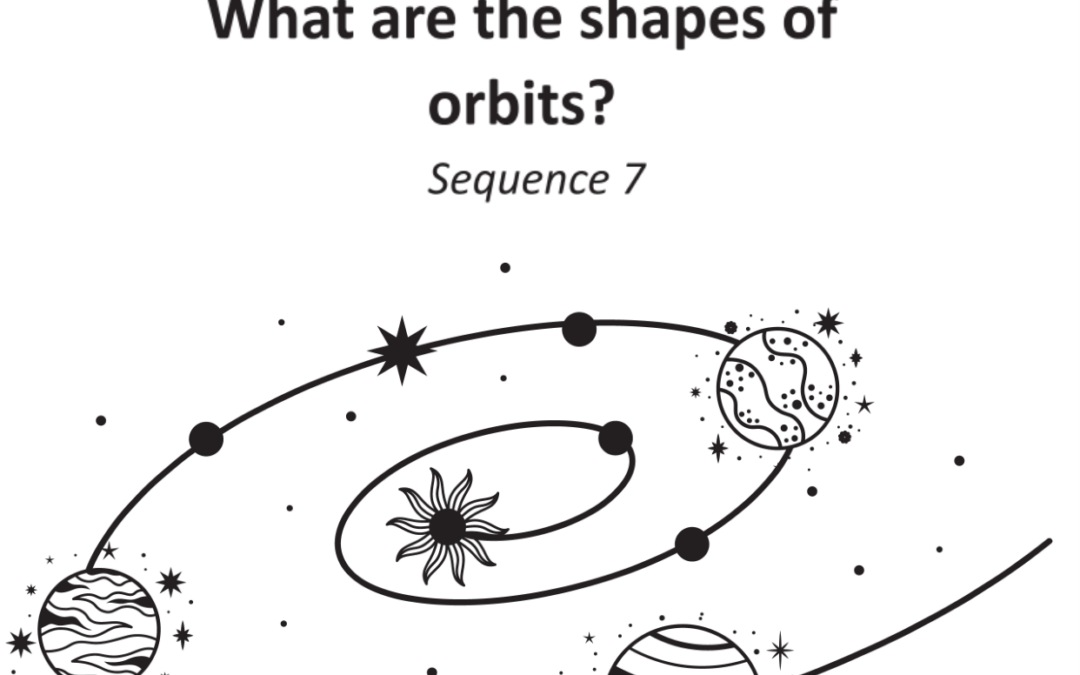
Students have to estimate the shapes of the orbits and make a Resource Link Access the complete activity resource Activity Information Partner Organization: CY Age Range: Education Level: Duration: Big Ideas Source: Document...
Feb 5, 2026 | NUCLIO, Resource, Star
Life cycle of stars – Plotting your own HR diagram! This project goes through plotting your own Hertzsprung-Russell diagram using Faulkes Telescope data and SalsaJ. Resource Link Access the complete activity resource Activity Information Partner Organization:...

Feb 5, 2026 | Big Ideia 3, Big Ideia 4, Big Ideia 5, Big Ideia 6, Big Ideia 9, Galaxy, IAC, Resource
When we look up at the night sky with our eyes, almost all of the bright spots we see twinkling are stars in our galaxy, the Milky Way. If the night is dark, we can also see faint spots of light. These are the galaxies closest to our own, the Andromeda Galaxy and the...
Feb 5, 2026 | Big Ideia 1, Big Ideia 3, Big Ideia 4, Big Ideia 5, Big Ideia 7, Earth, IAC, Resource, Solar System
The Solar System contains the Sun, (at least) eight planets and their moons, and many smaller objects such as dwarf planets, asteroids, and comets. Inner and Outer Planets The Solar System containsthe Sun, (at least) eight planets and their moons, and many smaller...
Feb 5, 2026 | Big Ideia 4, Big Ideia 5, IAC, Resource, Solar System
This activity is part of teaching unit 4, Gas Giants. You can find the introduction and teaching guide here. Gas Giants – Saturn This activity is part of teaching unit 4, Gas Giants. You can find the introduction and teaching guide here. Saturnis the second largest...
Feb 5, 2026 | Big Ideia 1, Big Ideia 4, IAC, Resource, Solar System, Sun
This activity is part of teaching unit 5, Laws of Planetary Motion. You can find the introduction and teaching guide here. Laws of Planetary Motion – Mass of the Sun This activity is part of teaching unit 5, Laws of Planetary Motion. You can find the introduction and...