Feb 5, 2026 | Big Idea 8, OAE, Resource
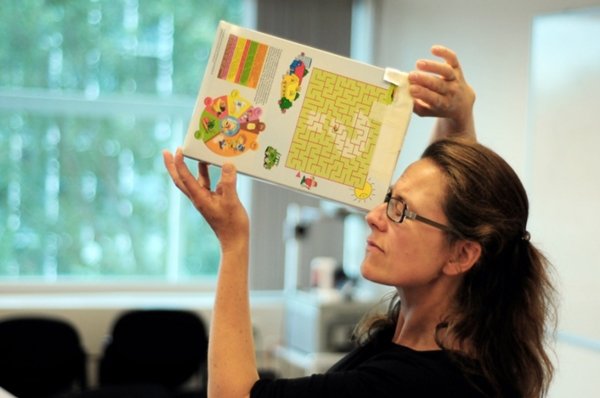
It is very dangerous to look directly at the Sun, even briefly! Let’s learn how to build a safe Sun viewer using cheap household items. At the end of this activity, you will have built a cheap but effective pinhole camera from a cardboard box to observe the Sun...
Feb 5, 2026 | Big Idea 11, Big Idea 7, Earth, OAE, Resource, Solar System
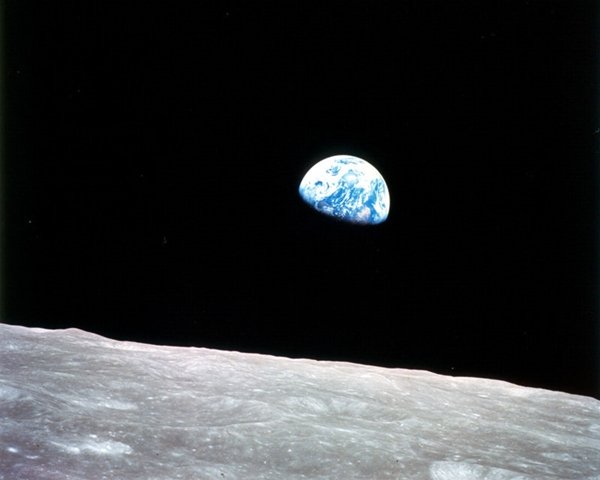
The activity is a guided voyage in Space that uses videos, images and hands-on activities to help students learn about scales and distances of the Solar System and understand how important yet small the Earth is. It should also give students a sense of global...
Feb 5, 2026 | OAE, Resource
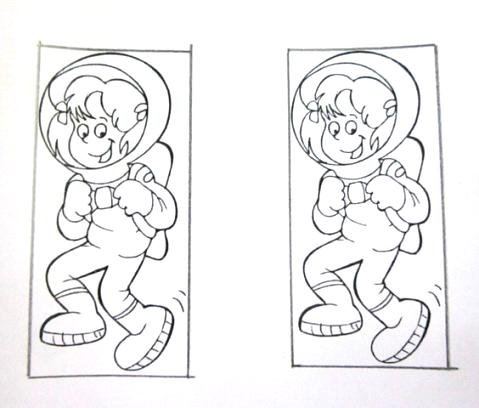
Let’s build an Astronaut to learn about magnetism and gravity! Students will address topics such as the forces of attraction and repulsion between magnets, and that objects are pulled downwards because of the gravitational attraction between the objects and the...
Feb 5, 2026 | Big Idea 7, OAE, Resource
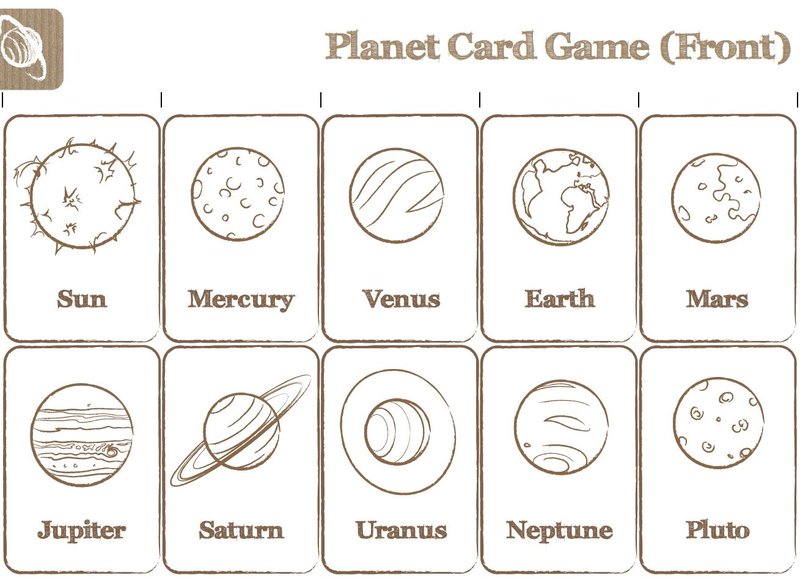
Students play a game of printable cards to become familiar with the planets of the Solar System. By playing, they learn that all planets go around the Sun and some properties about these planets. They also learn the name of the planets and their order in the Solar...
Feb 5, 2026 | Big Idea 4, OAE, Resource
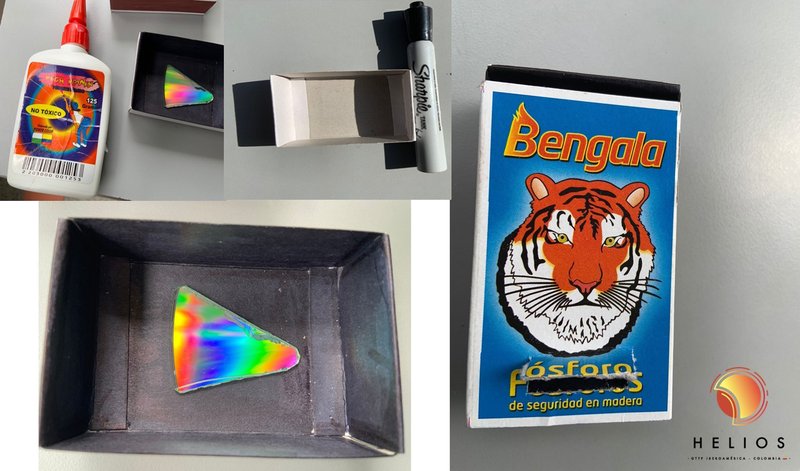
By building a homemade spectrometer with simple materials like a CD and a matchbox, you can discover the visible light spectrum observing it quickly and easily and discovering the colors that compose it. Resource Link Access the complete activity resource Activity...
Feb 5, 2026 | Big Idea 7, OAE, Resource, Solar System
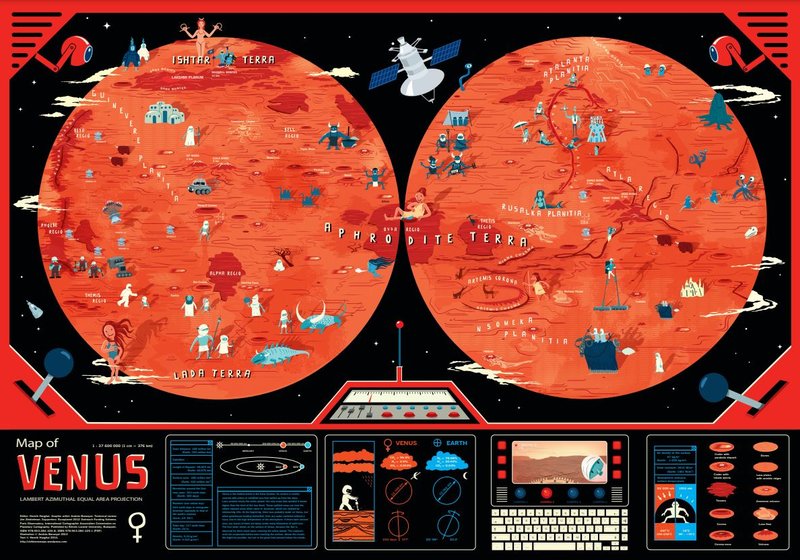
Using planetary maps, students will be able to read cartographic information and compare the environmental conditions of Venus to those Earth. They will understand the conditions needed for life to exist, and be able to explain why it cannot exist on Venus. Resource...