Feb 5, 2026 | Big Ideia 8, OAE, Resource
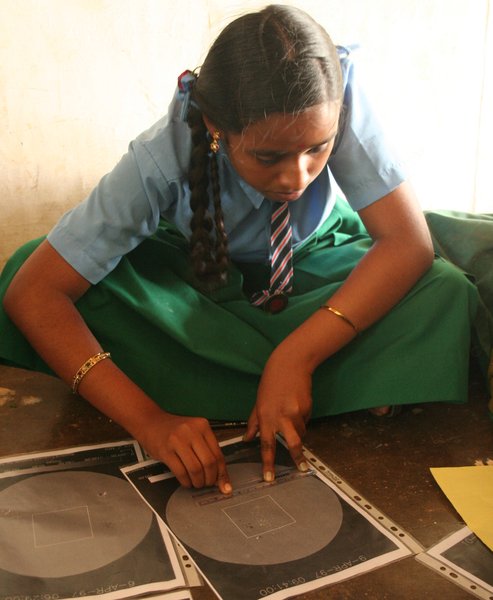
In this hands-on activity, students will apply the definition of average speed to a “real-case” astronomical phenomenon, finding out the Sun’s rotation period using real astronomical images. This activity can also be performed on computers. Resource Link Access the...
Feb 5, 2026 | Big Ideia 11, OAE, Resource, Solar System
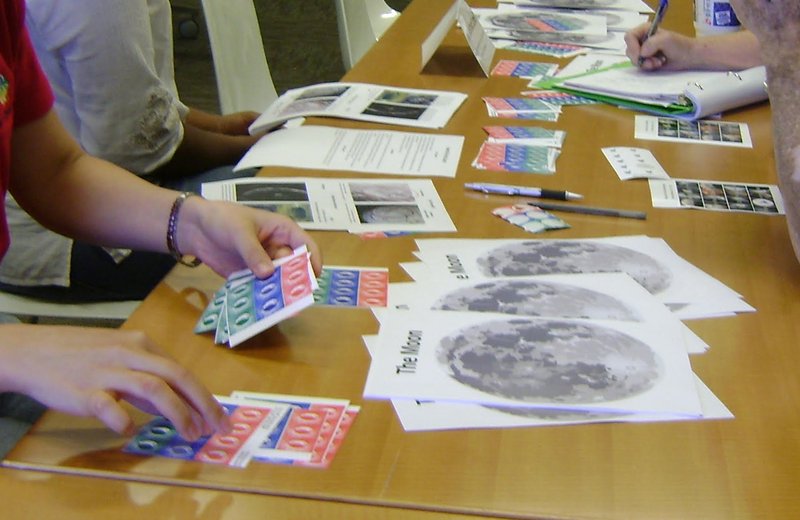
In Age that Crater! students will learn about the existence of craters on the Moon and on other planetary bodies and how they occur. They can also learn how to approximately age these craters, comparing them to other craters. This activity gives young students an...
Feb 5, 2026 | Big Ideia 10, Exoplanet, OAE, Resource
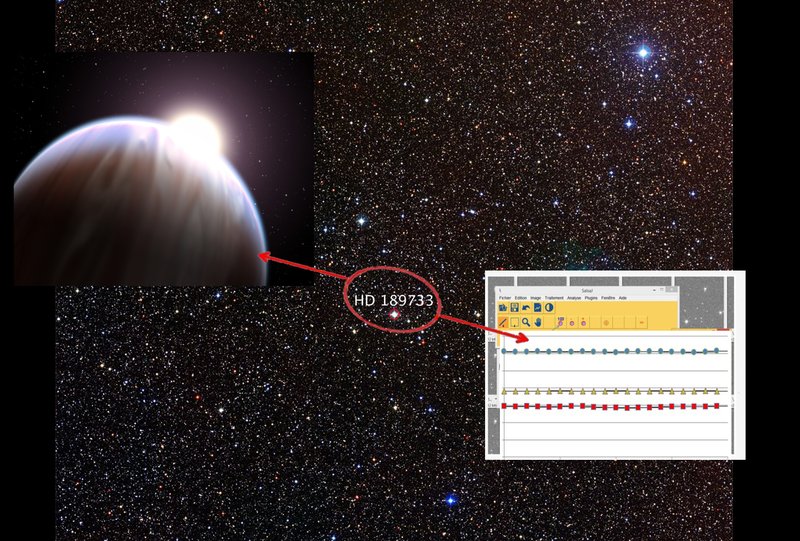
In this activity you will learn how to reveal the presence of a planet orbiting a star other than the Sun using the “transit method”. You will use an open source software to observe a time series of images of the sky taken by the Spitzer Space Infrared Telescope, and...
Feb 5, 2026 | Big Ideia 1, OAE, Resource
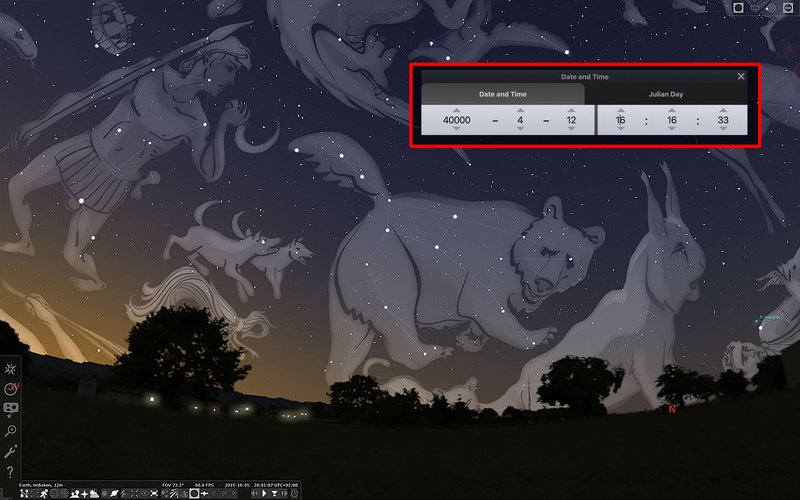
We usually think that stars are fixed in the sky and that their mutual positions do not change in time. Ancient civilizations built their religious and philosophical systems on this empirical evidence. However, we now know that this is not true; stars have proper...
Feb 5, 2026 | Big Ideia 8, OAE, Resource
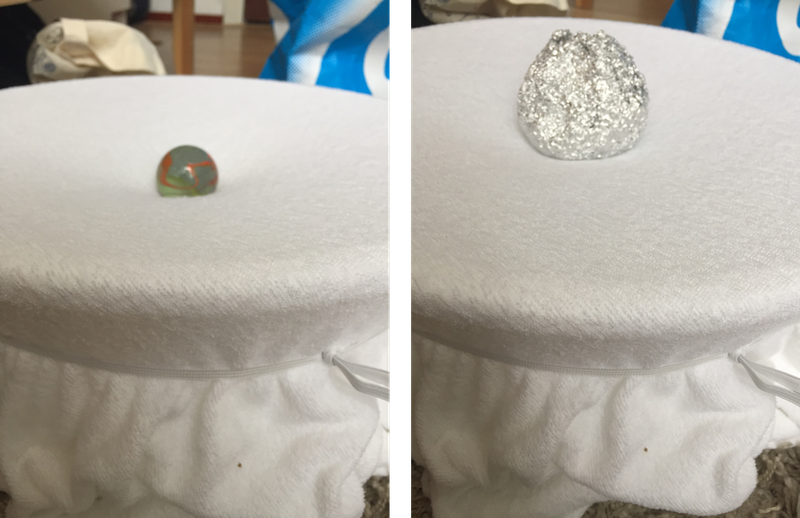
Let’s ask ourselves wht would happen if our Sun was replaced by a black hole, making some experiments to understand what a black hole is and how nothing can escape from its’ gravity. Resource Link Access the complete activity resource Activity Information...
Feb 5, 2026 | Big Ideia 1, OAE, Resource, Star
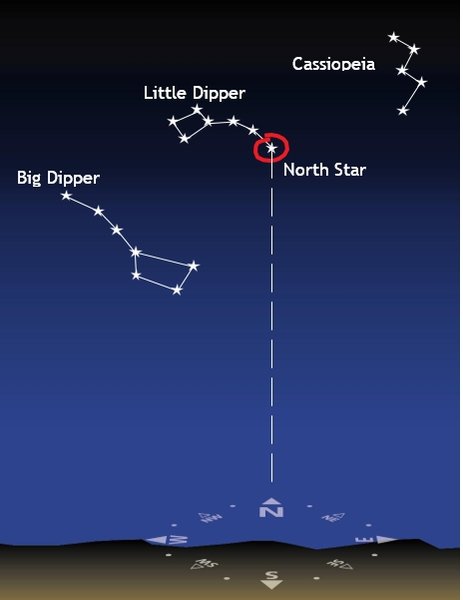
The Earth is a globe and we can define our position on it by using latitude and longitude. With this hands-on activity, students can find their location on a globe and describe it in terms of longitude and latitude, using a compass, the night sky and a protractor....