Feb 5, 2026 | Big Idea 1, OAE, Resource
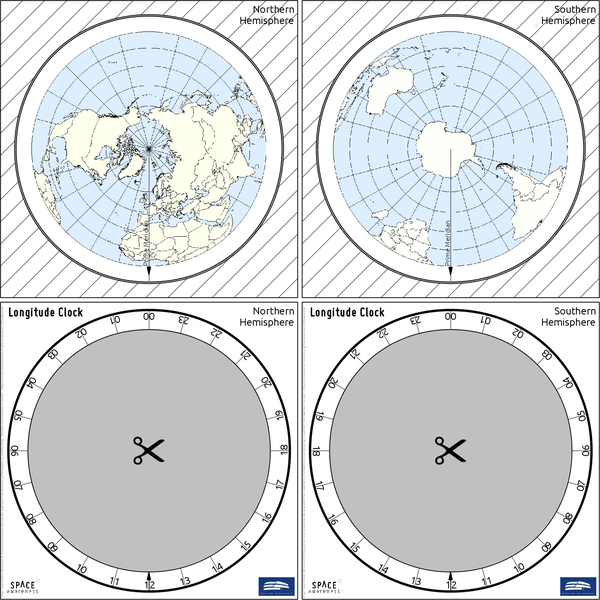
This activity highlights the navigational challenges in determining longitude from time measurements. Students build their own longitude clock that visualises in a simple way how to determine longitude via time measurements. They practise basic math, understanding the...
Feb 5, 2026 | Big Idea 11, OAE, Resource
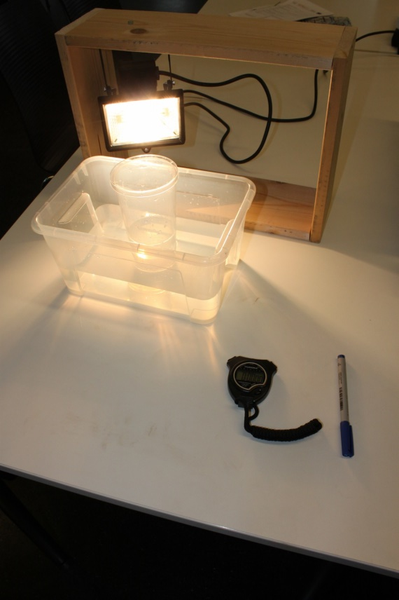
In this activity, students will carry out two simple experiments to simulate the melting of land and sea ice on Earth, to understand the different effects that this melting down has on global sea levels and how it is relevant to climate change. Resource Link Access...
Feb 5, 2026 | Big Idea 8, OAE, Resource
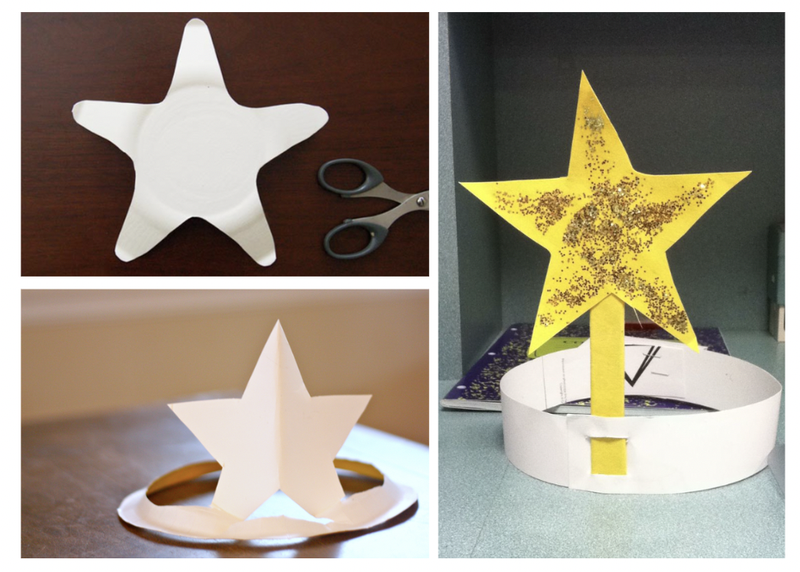
Draw artistic and scientific representations of the stars and learn about them. In this activity, the drawings are used by students to create star hats, which they then are presented to the class. Resource Link Access the complete activity resource Activity...
Feb 5, 2026 | Big Idea 7, OAE, Resource, Solar System
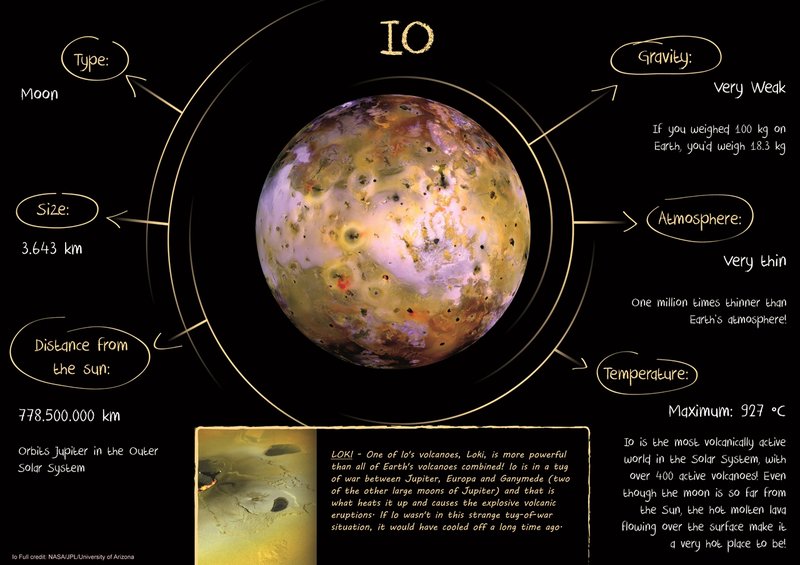
Using planetary maps, students will be able to read cartographic information and compare the environmental conditions of Jupiter’s moon Io to those Earth. They will understand the conditions needed for life to exist, and be able to explain why it cannot exist on...
Feb 5, 2026 | OAE, Resource
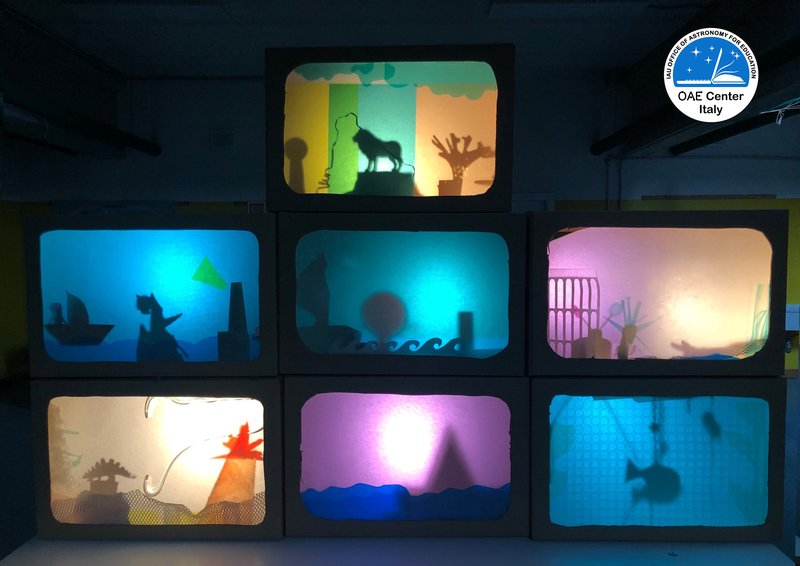
In this activity students play with light and create their light sculptures. These unique installations are created in box-screens lit from the inside to become part of a collective installation that can be displayed as a piece of collective artwork. As a tinkering...
Feb 5, 2026 | Big Idea 8, OAE, Resource
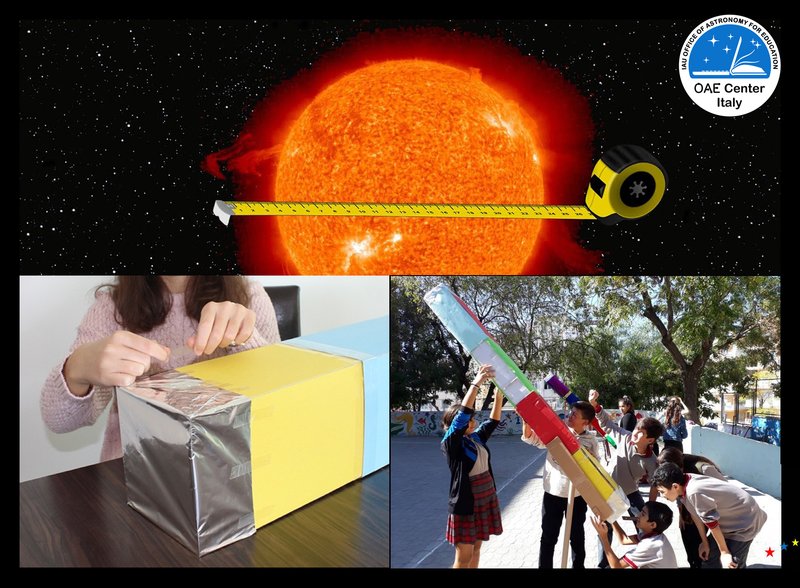
How big is the Sun? This activity uses some simple optics to project an image of our star by building and using a pinhole camera, and some simple geometry to determine the size of the Sun. NOTE: This is the English translation of an original activity proposed by NAEC...