Feb 5, 2026 | Big Idea 11, Earth, OAE, Resource, Star
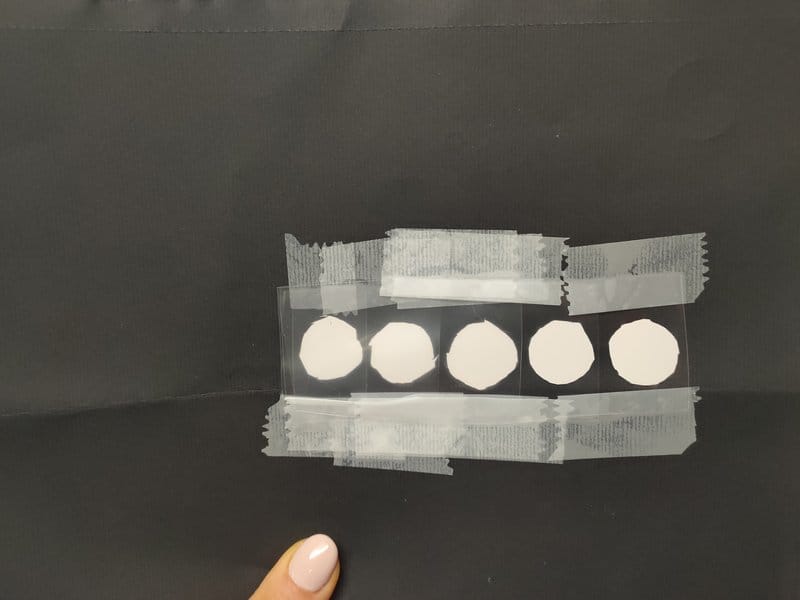
What is light pollution, what are its impacts, and how can it be mitigated? In this activity, students will build a magntidue reader with very simple materials and use it to learn how light pollution affects the visibility of stars, by making simple experimental...
Feb 5, 2026 | Big Idea 7, OAE, Resource
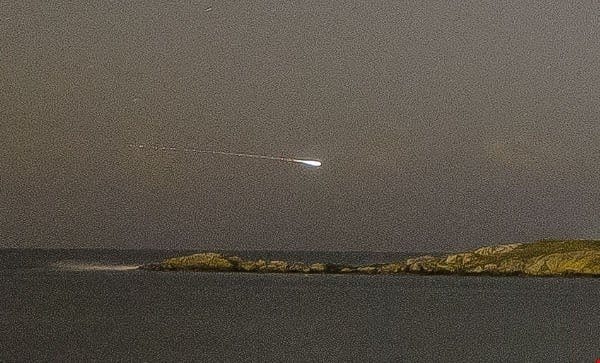
In this activity, students investigate different scenarios, which show that a gas occupies space and learn about what happens when objects hit the atmosphere. The activity can be followed by lessons about the atmosphere and its different layers or activities about...
Feb 5, 2026 | Big Idea 2, OAE, Resource
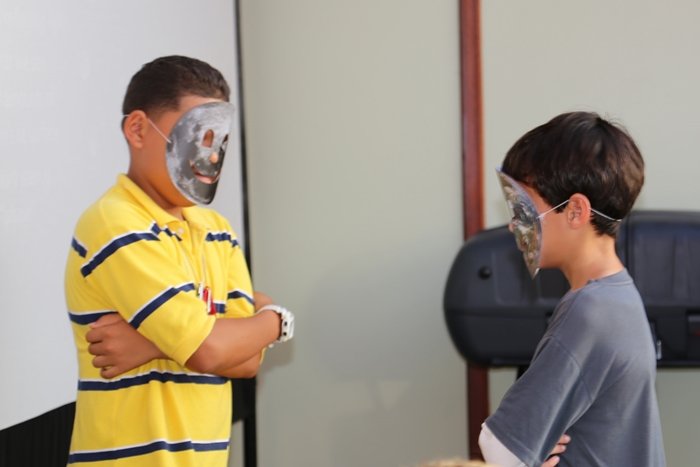
In this activity students will mimick the orbit of the Moon around the Earth, demonstrating how the Moon always keeps the same face towards Earth. They will also learn about the difference between the duration of Earth and Moon day. Resource Link Access the complete...
Feb 5, 2026 | Big Idea 9, OAE, Resource
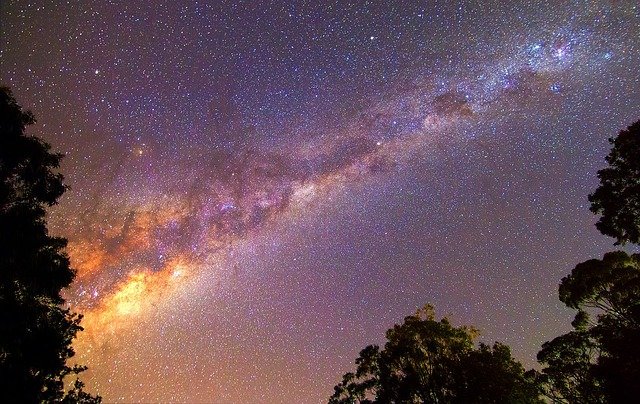
With this hands-on activity, students build a model of the Milky Way, learning what our Galaxy looks like, where we stand in it, about the objects it hosts and the distances between them. They will also learn about galaxies and how the Universe formed and how it...
Feb 5, 2026 | Big Idea 10, Exoplanet, OAE, Resource
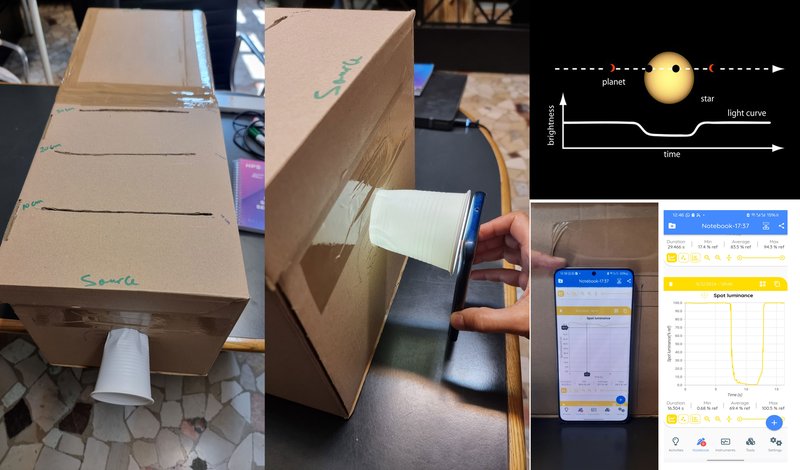
This activity introduces students to exoplanet detection using the transit method. Through hands-on activities, students will simulate an exoplanet transit using basic materials, measuring changes in light intensity as the “exoplanet” passes in front of the “star.”...
Feb 5, 2026 | Big Idea 10, OAE, Resource
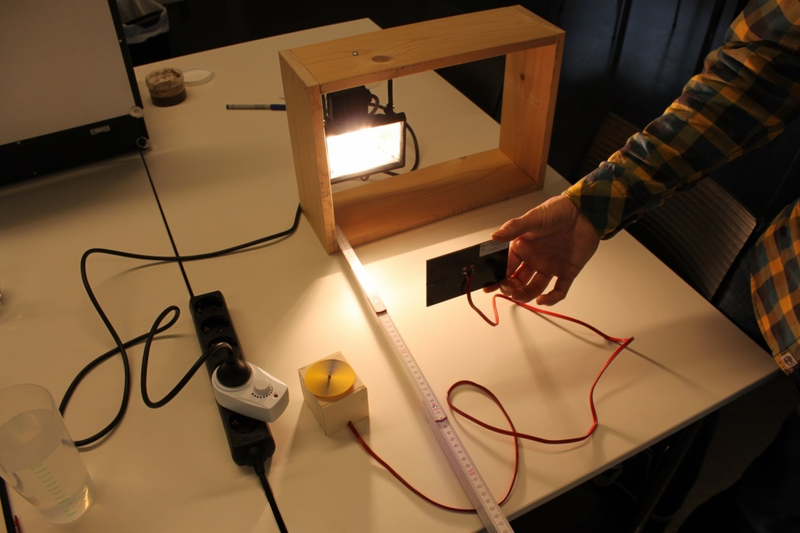
With this activity, students learn about the habitable zones of planetary systems with a simple experiment that demonstrates how the amount of radiation received by a body depends on its distance from the source, introducing the “habitable zone”, where...