Feb 5, 2026 | Big Idea 7, OAE, Resource, Solar System
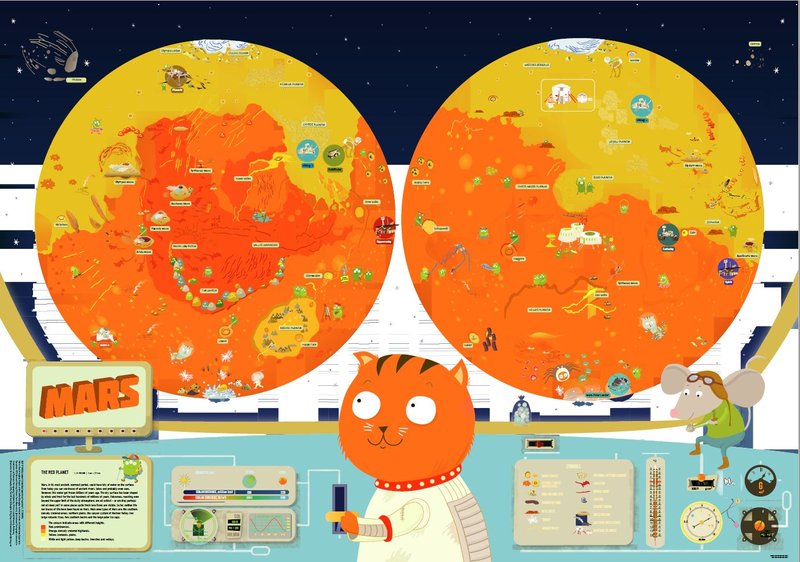
In this activity students will explore Mars, getting a general view of the Red planet. To do this, they will learn how scientists create and use maps reading cartographic information like legends and symbols. Using planetary maps, students will also be able to compare...
Feb 5, 2026 | Big Idea 11, OAE, Resource, Solar System
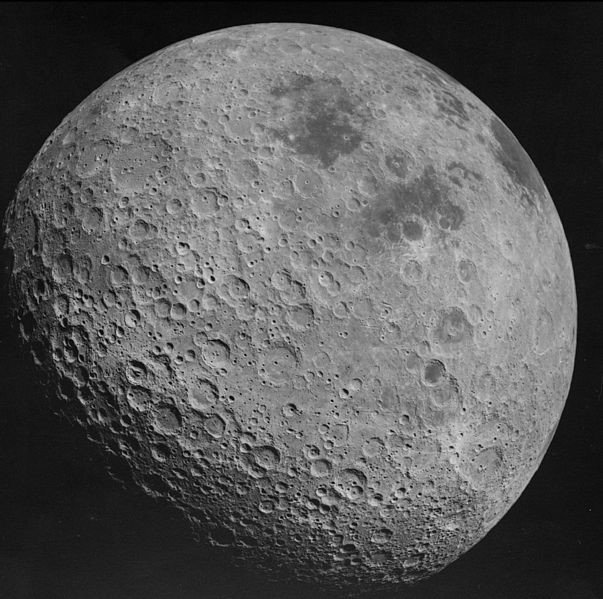
With this activity, stydents learn how craters are made from the impact of an asteroid hitting the Earth and the effects this can have. With a fun, simple, but quantitative experiment, they will learn how the crater size depends on the impactor mass and the impact...
Feb 5, 2026 | Big Idea 11, OAE, Resource
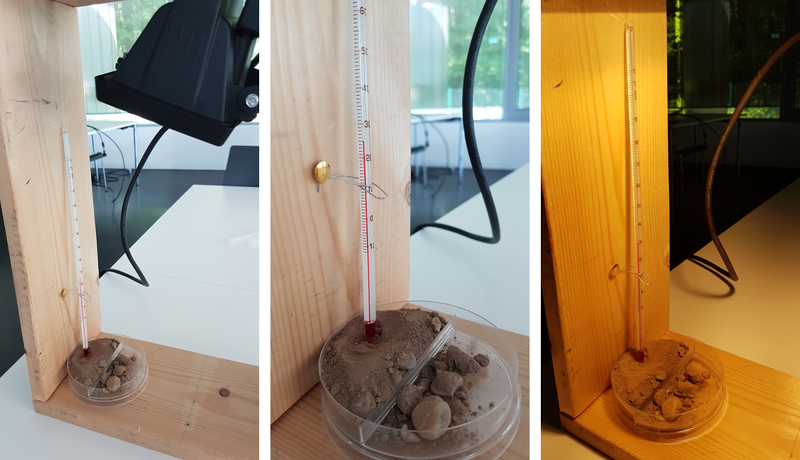
In this activity students simulate Earth’s behaviour with an hands-on experiment, learning how and why oceans on Earth can store heat more effectively than land, mitigating part of the global warming caused by the greenhouse effect. The activity simulates Earth’s...
Feb 5, 2026 | Big Idea 1, OAE, Resource
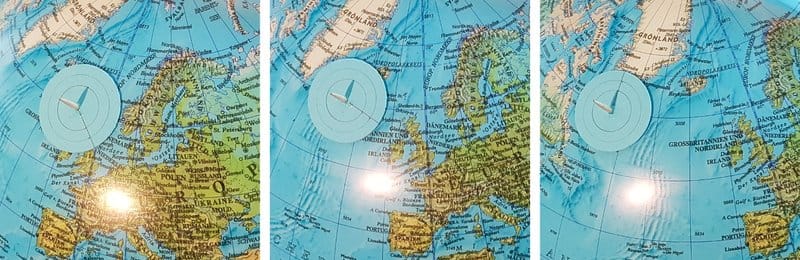
In this hands-on activity, students will imagine themselves as a 9th century Viking who has to use the Sun to navigate across the North Sea. They will build their own navigational tool, test its functionality and simulate a voyage from southern Scandinavia to...
Feb 5, 2026 | Big Idea 1, OAE, Resource
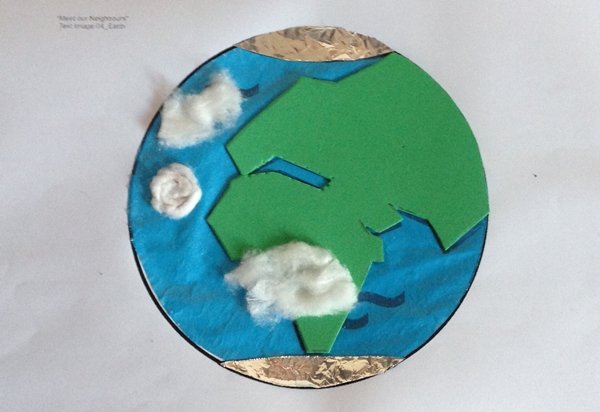
Learn how to build a tactile version of the Earth using cheap, household items andhow to use this model to identify the different characteristics of the planet. This cheap, tactile version of our planet is a great resource to explore its features for both visually...
Feb 5, 2026 | Big Idea 8, OAE, Resource
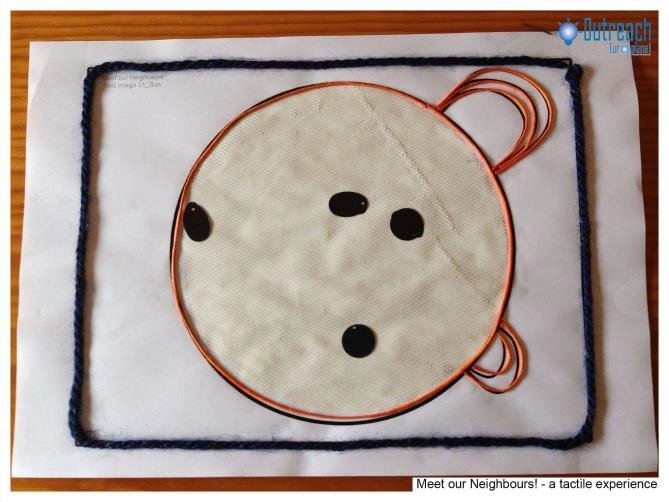
Using cheap, household items, we will build a tactile version of the Sun that can be used to identify the different characteristics of our star, like sunsposts. This cheap, tactile version of the Sun is a great resource to explore a star for both visually impaired and...