Feb 5, 2026 | Big Idea 1, OAE, Resource
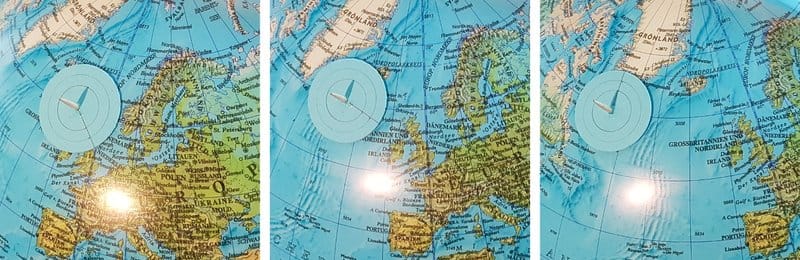
In this hands-on activity, students will imagine themselves as a 9th century Viking who has to use the Sun to navigate across the North Sea. They will build their own navigational tool, test its functionality and simulate a voyage from southern Scandinavia to...
Feb 5, 2026 | Big Idea 1, OAE, Resource
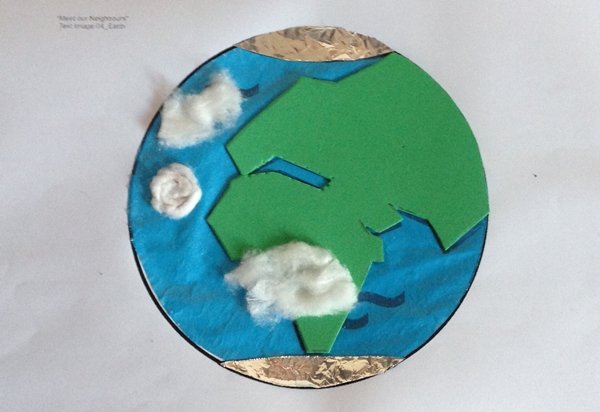
Learn how to build a tactile version of the Earth using cheap, household items andhow to use this model to identify the different characteristics of the planet. This cheap, tactile version of our planet is a great resource to explore its features for both visually...
Feb 5, 2026 | Big Idea 8, OAE, Resource
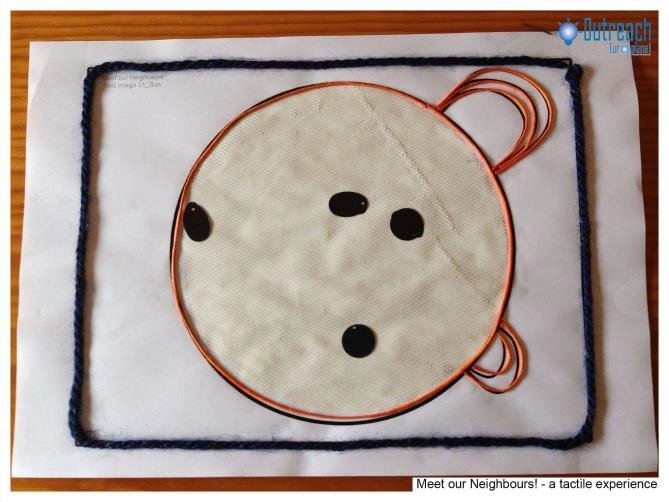
Using cheap, household items, we will build a tactile version of the Sun that can be used to identify the different characteristics of our star, like sunsposts. This cheap, tactile version of the Sun is a great resource to explore a star for both visually impaired and...
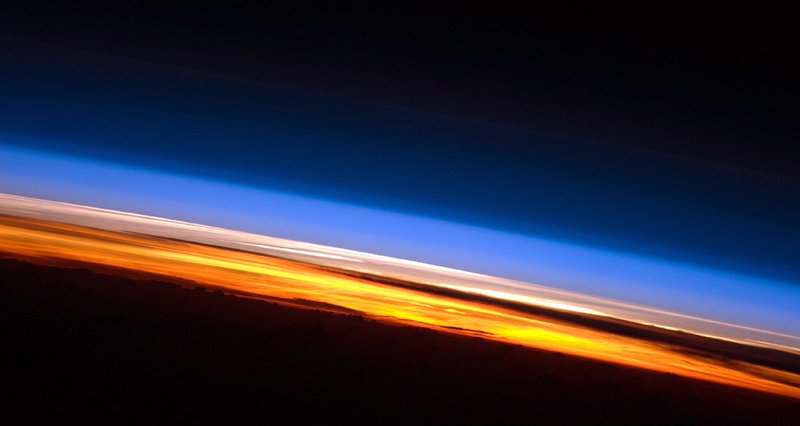
Feb 5, 2026 | Earth, OAE, Resource
Resource Link Access the complete activity resource Activity Information Partner Organization: OAE Age Range: 6 – 12 years Education Level: Primary to Secondary Duration: 1h Big Ideas Source: AstroEdu – International Astronomical...
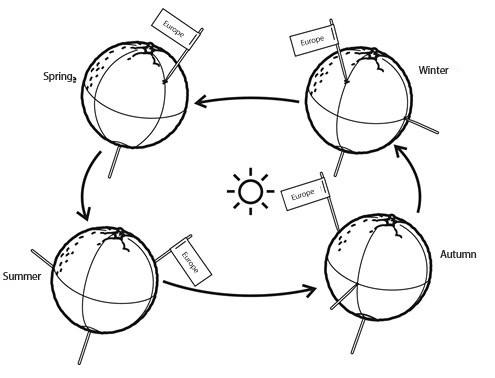
Feb 5, 2026 | Big Idea 2, OAE, Resource
Build a model of the Earth and understand the concept of seasons around the world! After completing the activity, students learn that seasons are determined by the angle at which the rays of the Sun fall on the Earth. So at the Equator there is very little difference...
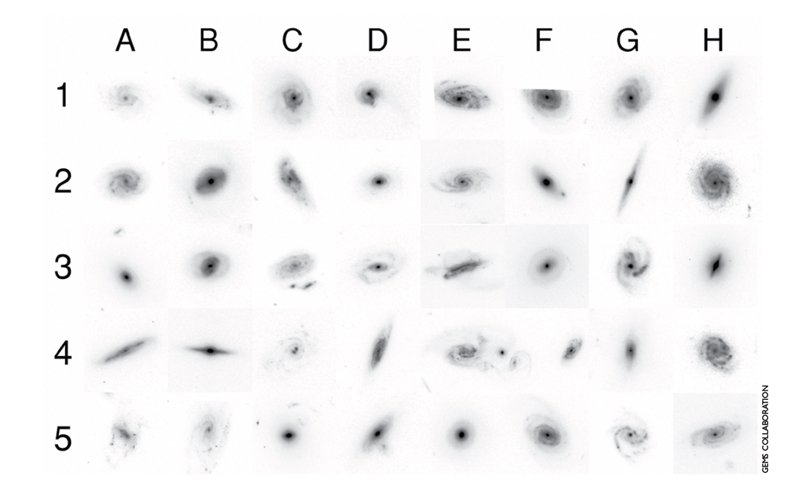
Feb 5, 2026 | Big Idea 9, Galaxy, OAE, Resource
Students identify a classification of the galaxies making use of real astronomical data from the Hubble Space Telescope. By doing their own calculation, students will discover a “morphology-density effect” and then make hypotheses about the causes of this...