Feb 5, 2026 | OAE, Resource
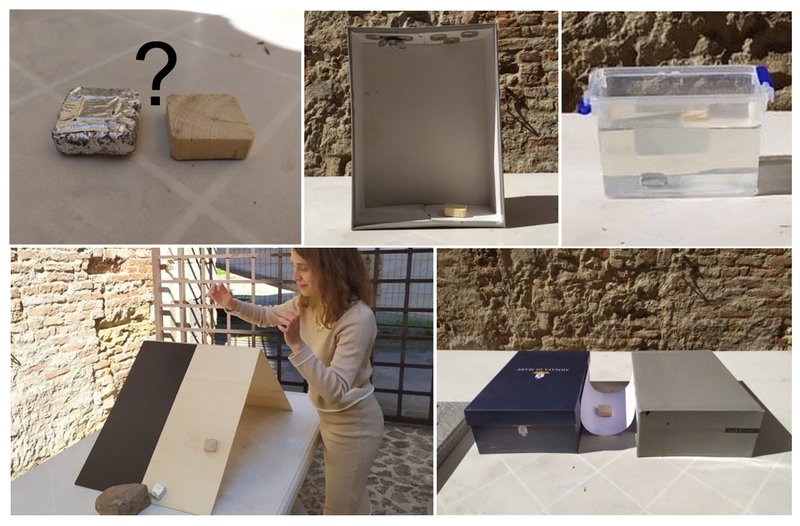
In this hands-on activity, participants will experience the “tug-of-war” between gravity and other forces, namely: buoyant force, friction force, magnetic force and normal force. They will test how different types of materials float, and use an inclined...
Feb 5, 2026 | Big Idea 5, OAE, Resource
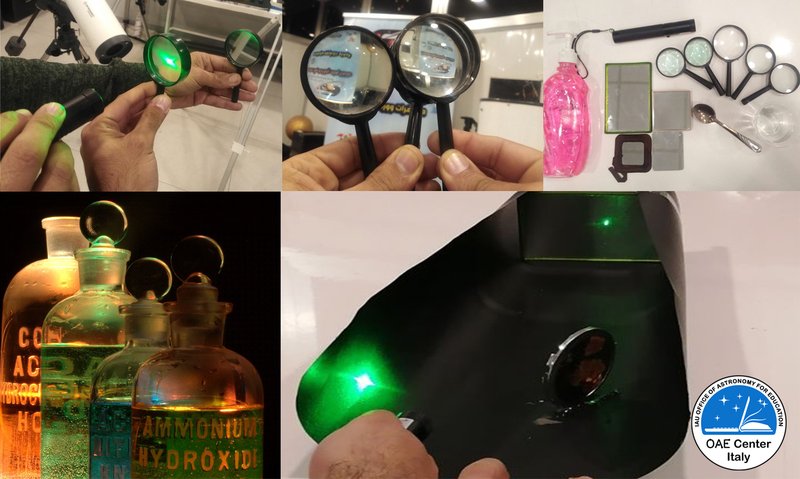
Telescopes collect the light received from very dim and really far away celestial objects. Discover how they do this using very simple optics in a series of hands-on activities where we will guide light using objects like mirrors, lenses, lasers, glasses and bottles...
Feb 5, 2026 | Big Idea 5, OAE, Resource, Solar System
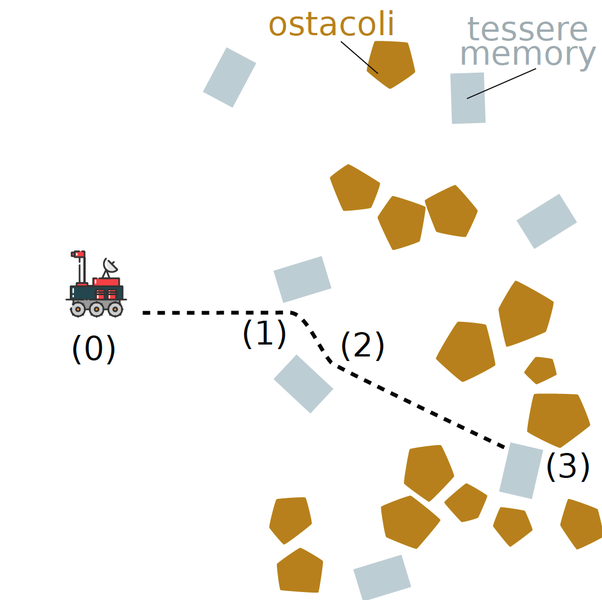
An educational, interdisciplinary game to drive a rover on Mars that underlines in a playful way the problems related to time-delay in communication in the exploration of the Solar System. With this simulation game, students will also understand the importance of...
Feb 5, 2026 | Big Idea 2, Earth, OAE, Resource
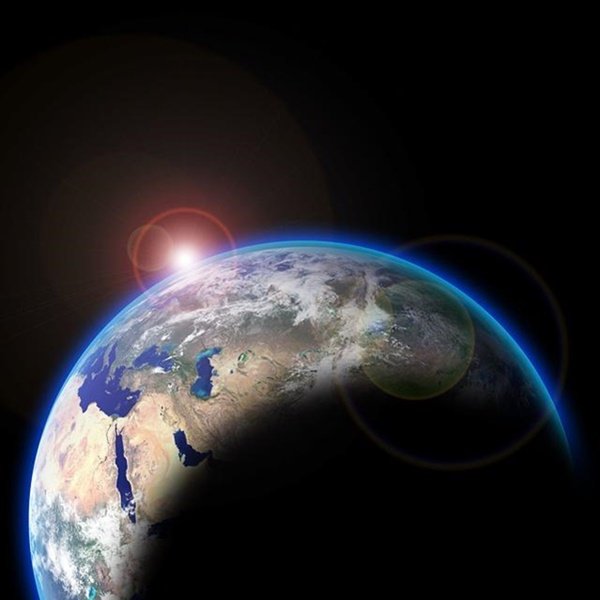
In this activity, students investigate the differences between day and night by comparing nocturnal and diurnal animals. They use a model of the Earth to demonstrate how day and night occur on Earth and explain that people and animals living on different parts of the...
Feb 5, 2026 | Big Idea 6, Earth, OAE, Resource
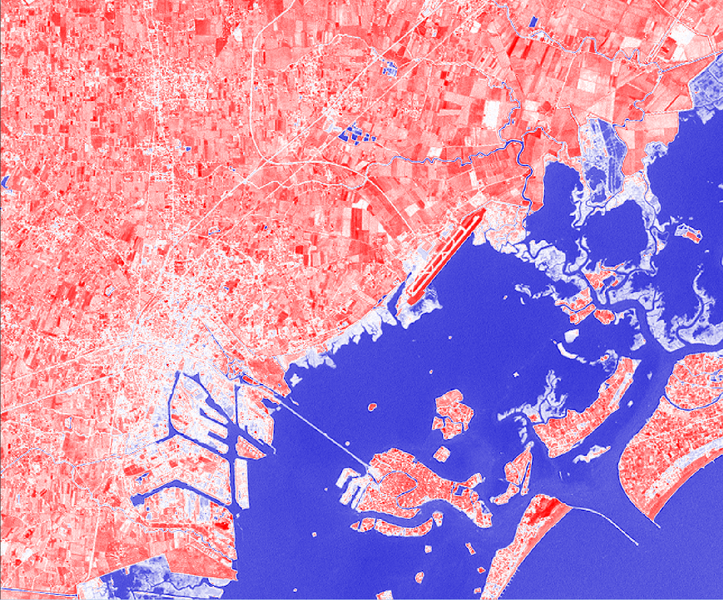
Multispectral satellite images are fundamental in deciphering Earth surface features like vegetation or open water areas. With this activity, students will understand the importance of this data for preserving life on Earth and get a hands-on know-how of how real...
Feb 5, 2026 | Big Idea 1, OAE, Resource
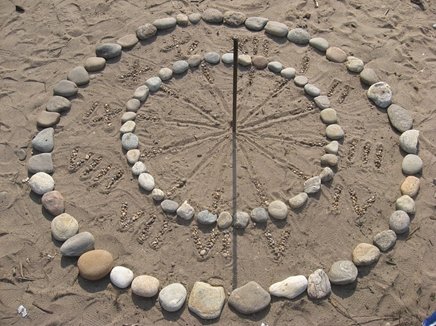
In this activity, students approach the notion of time and how time can be measured. They build and use a sundial, learning that you can tell the time using the Sun and discovering that a long time ago, it was much more difficult to tell the time than it is today....