Feb 5, 2026 | Big Idea 11, Earth, OAE, Resource, Star
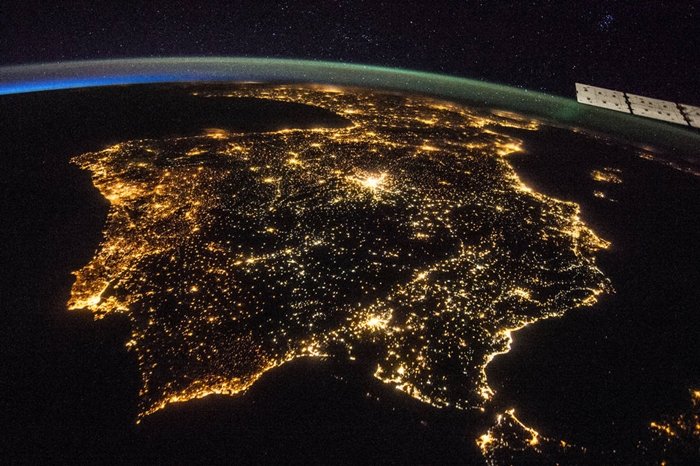
Students conduct an investigation by working together and they explain what causes light pollution and present to the public their results and possible solutions to help solve this problem. Resource Link Access the complete activity resource Activity Information...
Feb 5, 2026 | Big Idea 8, OAE, Resource
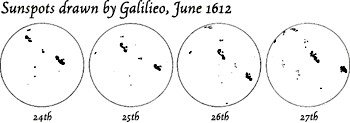
The Earth rotates on its axis, giving us night and day – but what about other celestial objects like the Sun? In this activity students will use real satellite images of the Sun (Solar Dynamics Observatory, SDO) to discover that the Sun also rotates about its own...
Feb 5, 2026 | Big Idea 1, OAE, Resource
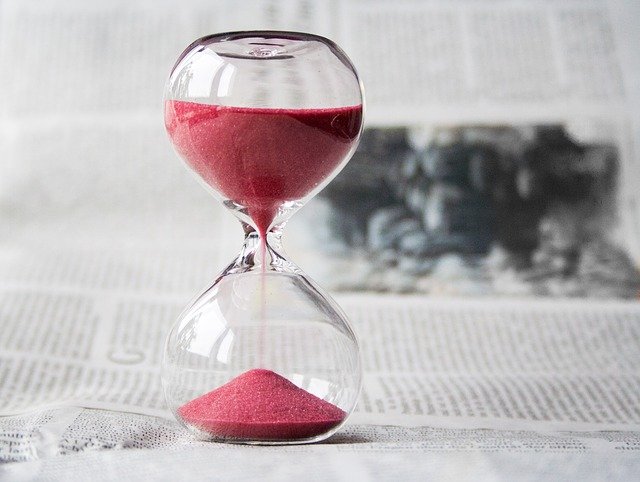
In this activity, students will understand that it is difficult to tell the time without an instrument and will build and test an hourglass to measure time. They acquire an understanding of what causes day and night and comprehend time differences. Students will also...
Feb 5, 2026 | OAE, Resource
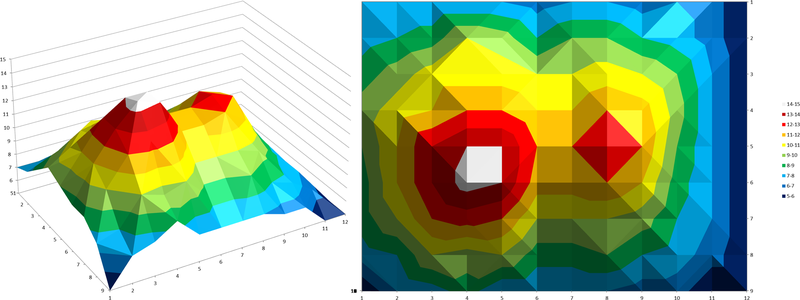
This activity deals with altitude measurements obtained with radar altimetry, a powerful tool used by satellites with low Earth orbits that helps in many different sectors like monitoring of climate changesindicators and disaster management. To simulate the radar...
Feb 5, 2026 | Big Idea 7, OAE, Resource, Solar System
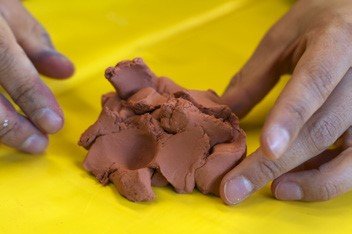
In this activity, students familiarise themselves with asteroids. They discuss and build their own model asteroids, learning how asteroids are formed in the Solar System. At the end of the activity, each student has their own model asteroid made from clay. Resource...
Feb 5, 2026 | Big Idea 11, OAE, Resource
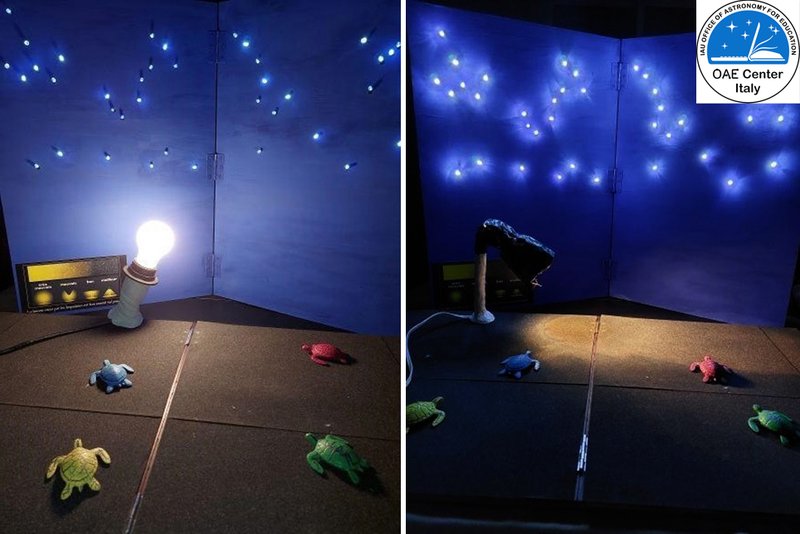
This hands-on activity involves the creation of a model to show the impact of light pollution on the night sky and raise awareness about this subject. By building this model students are encouraged to take responsibility for reducing light pollution: they can learn...