Feb 5, 2026 | Big Idea 7, OAE, Resource, Solar System
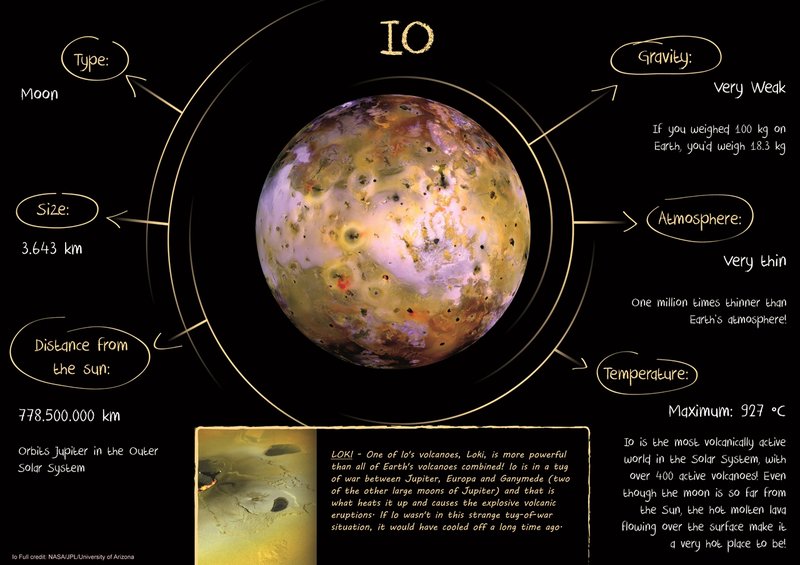
Using planetary maps, students will be able to read cartographic information and compare the environmental conditions of Jupiter’s moon Io to those Earth. They will understand the conditions needed for life to exist, and be able to explain why it cannot exist on...
Feb 5, 2026 | OAE, Resource
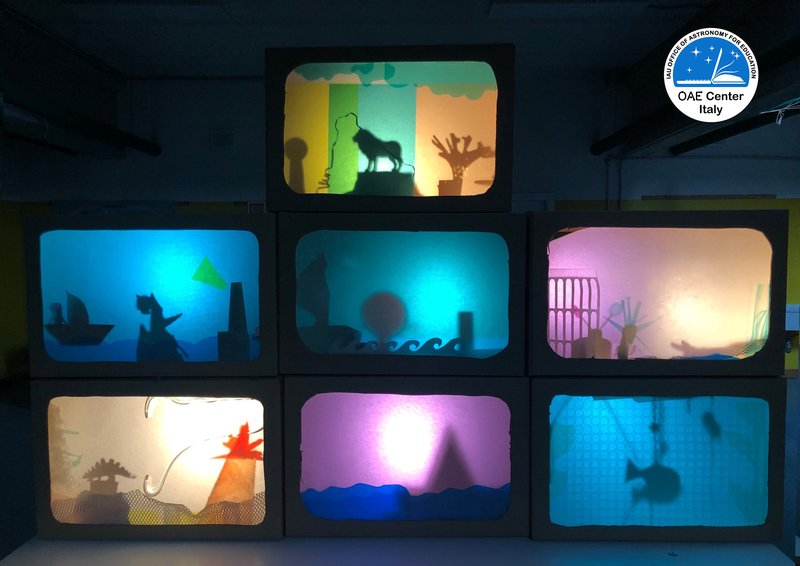
In this activity students play with light and create their light sculptures. These unique installations are created in box-screens lit from the inside to become part of a collective installation that can be displayed as a piece of collective artwork. As a tinkering...
Feb 5, 2026 | Big Idea 8, OAE, Resource
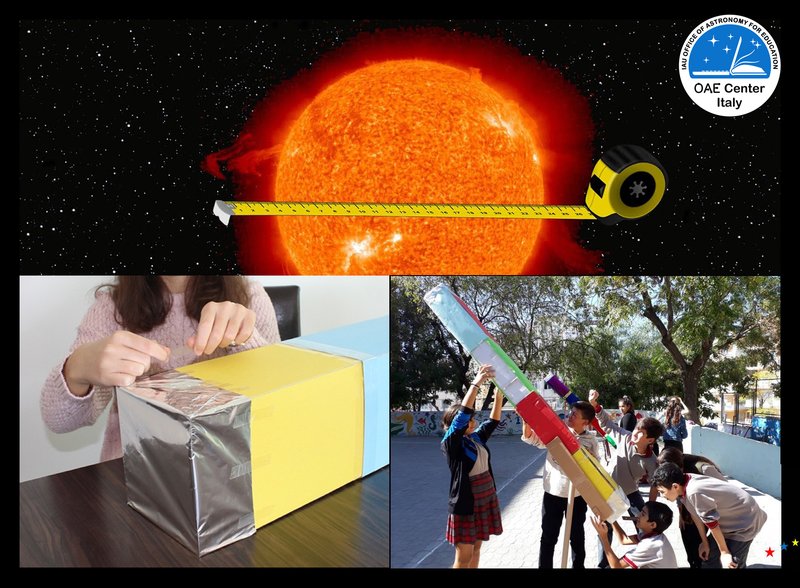
How big is the Sun? This activity uses some simple optics to project an image of our star by building and using a pinhole camera, and some simple geometry to determine the size of the Sun. NOTE: This is the English translation of an original activity proposed by NAEC...
Feb 5, 2026 | OAE, Resource
Using everyday objects such as streetlights, students can understand how astronomers use astronomical standard candles to measure astronomical distances, as well as their possible error sources. This practical activity also introduces students to digital image...
Feb 5, 2026 | Big Idea 8, OAE, Resource
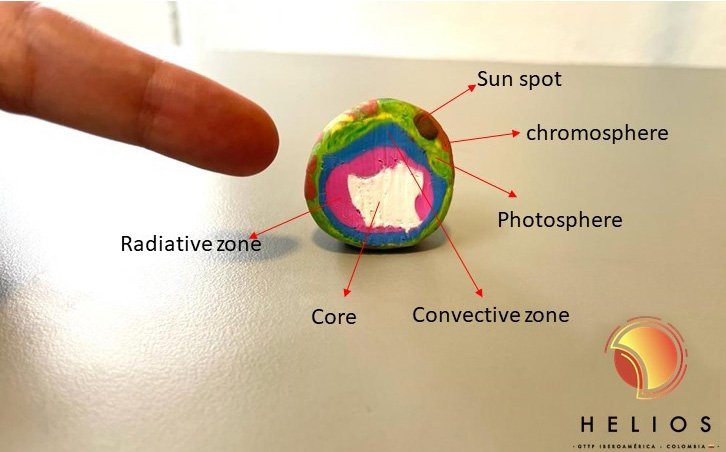
The Sun is the nearest star and generates great interest in children and young people. Knowing its structure is important to understand how it works, its influence on our planet and to understand more about other stars in the Universe. In this activity, by building a...
Feb 5, 2026 | Big Idea 6, OAE, Resource
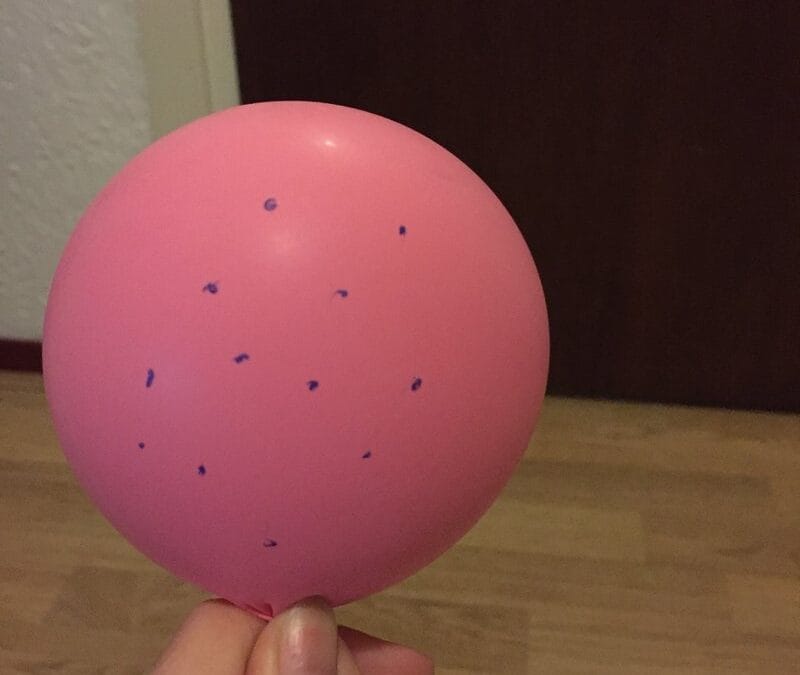
In this activity, students play role of scientists to explore the possible existence of other components of the Universe besides the normal matter. As they understand how dark matter and dark energy are discovered, they also realize that science understanding can...