Feb 5, 2026 | Big Idea 4, Big Idea 5, IAC, Resource, Solar System
This activity is part of teaching unit 4, Gas Giants. You can find the introduction and teaching guide here. Gas Giants – Saturn This activity is part of teaching unit 4, Gas Giants. You can find the introduction and teaching guide here. Saturnis the second largest...

Feb 5, 2026 | Big Idea 1, Big Idea 4, Big Idea 5, Big Idea 6, Big Idea 7, IAC, Resource, Solar System
This activity is part of teaching unit 5, Laws of Planetary Motion. You can find the introduction and teaching guide here. Laws of Planetary Motion – Galilean Satellites This activity is part of teaching unit 5, Laws of Planetary Motion. You can find the introduction...

Feb 5, 2026 | Big Idea 1, Big Idea 4, IAC, Resource, Solar System, Sun
This activity is part of teaching unit 5, Laws of Planetary Motion. You can find the introduction and teaching guide here. Laws of Planetary Motion – Mass of the Sun This activity is part of teaching unit 5, Laws of Planetary Motion. You can find the introduction and...
Feb 5, 2026 | Big Idea 7, OAE, Resource, Solar System
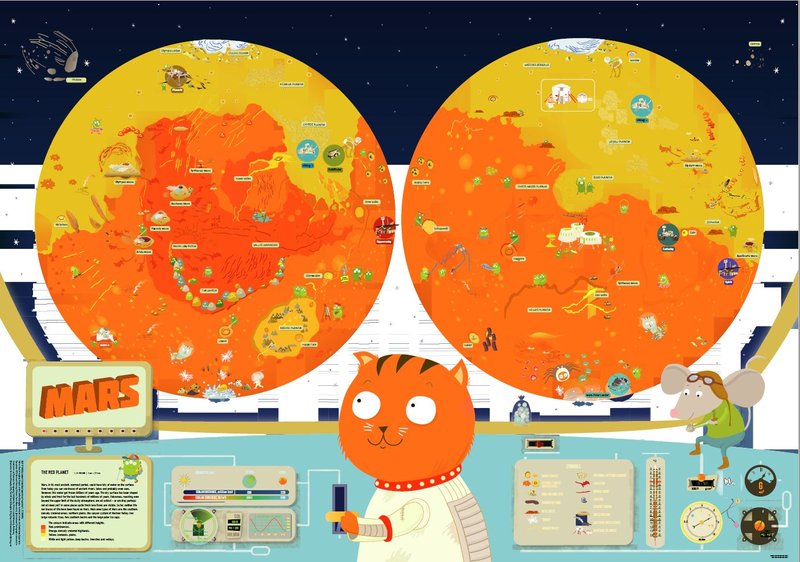
In this activity students will explore Mars, getting a general view of the Red planet. To do this, they will learn how scientists create and use maps reading cartographic information like legends and symbols. Using planetary maps, students will also be able to compare...
Feb 5, 2026 | Big Idea 7, OAE, Resource, Solar System
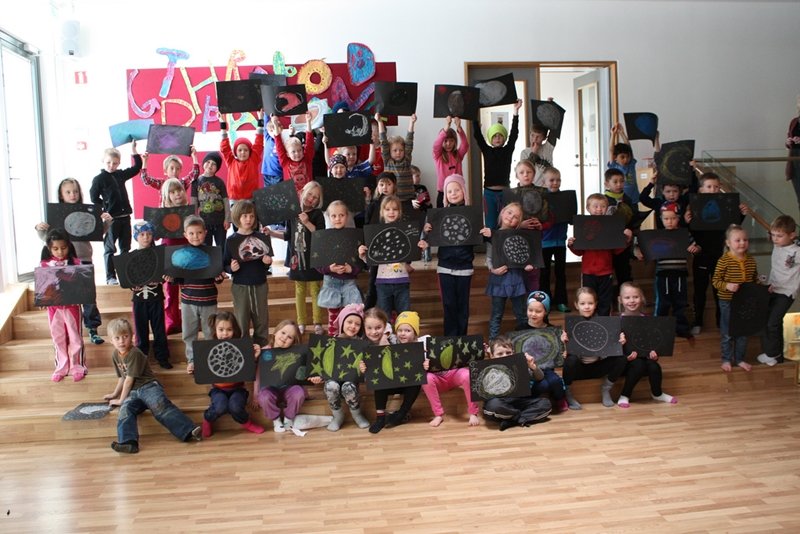
In this activity we ask students to make a protrait of their favorite moon. Dealing with the creative side, this activity makes students them learn more about the moons of the solar system. This combination of art and science engages the students to express their...
Feb 5, 2026 | Big Idea 11, OAE, Resource, Solar System
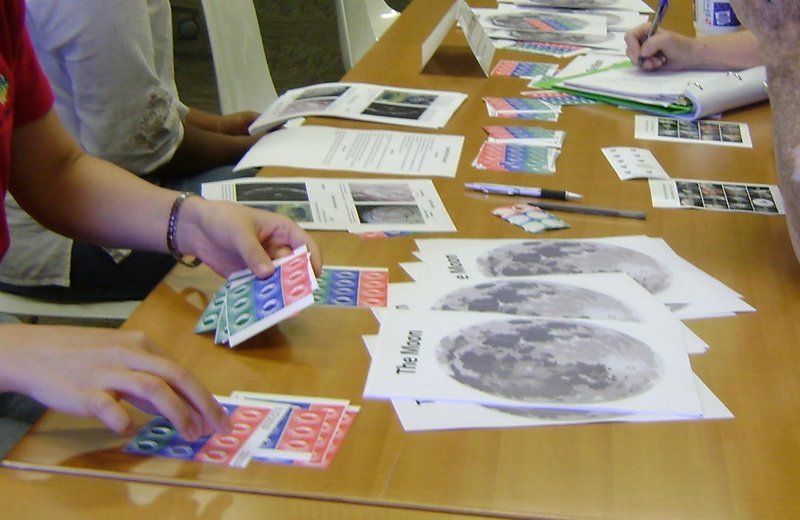
In Age that Crater! students will learn about the existence of craters on the Moon and on other planetary bodies and how they occur. They can also learn how to approximately age these craters, comparing them to other craters. This activity gives young students an...