Feb 5, 2026 | Big Idea 11, Earth, OAE, Resource, Star
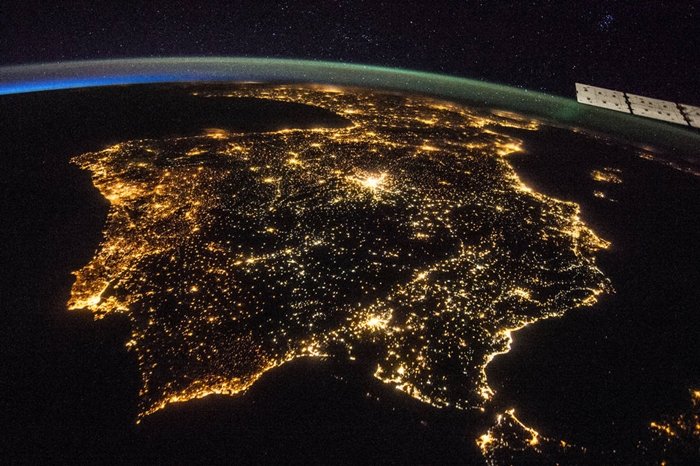
Students conduct an investigation by working together and they explain what causes light pollution and present to the public their results and possible solutions to help solve this problem. Resource Link Access the complete activity resource Activity Information...
Feb 5, 2026 | Big Idea 11, Earth, OAE, Resource
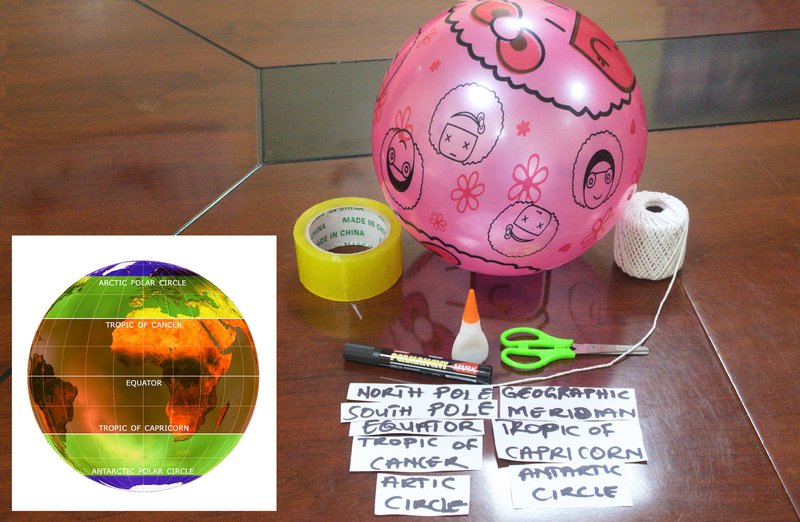
Using common objects from their environment, students go on an interactive journey to learn about how the Earth is divided into different climatic zones. Learners will be able to identify and visualise the various climate zones of our world via practical...
Feb 5, 2026 | Big Idea 11, Big Idea 7, Earth, OAE, Resource, Solar System
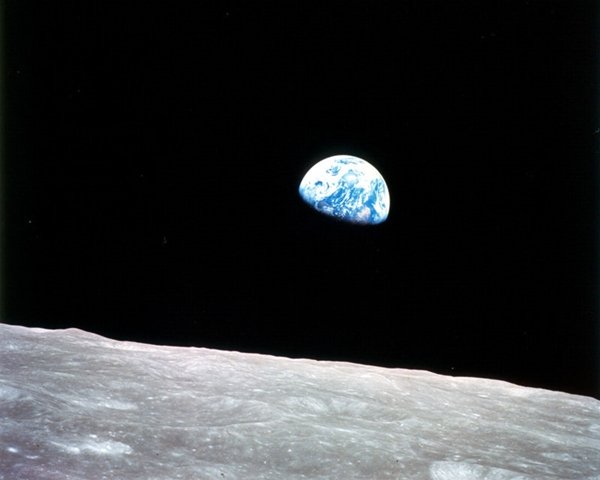
The activity is a guided voyage in Space that uses videos, images and hands-on activities to help students learn about scales and distances of the Solar System and understand how important yet small the Earth is. It should also give students a sense of global...
Feb 5, 2026 | Earth, OAE, Resource
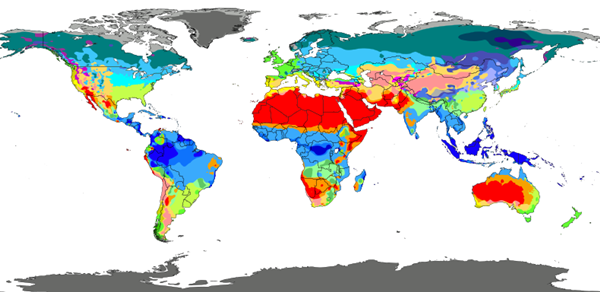
What’s the difference between continental and oceanic climates? This activity introduces primary school students to this topic by showing that in the summer it is cooler by the sea than on the land and that water cools off more slowly than soil. Resource Link...
Feb 5, 2026 | Big Idea 6, Earth, OAE, Resource
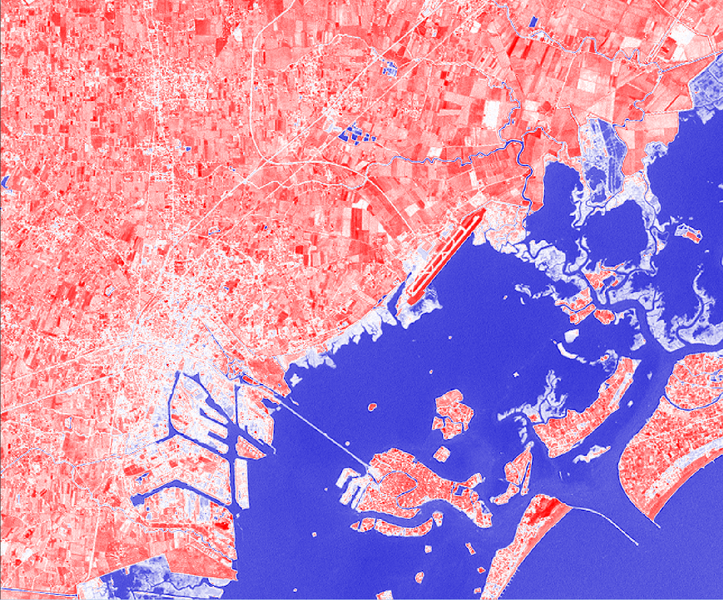
Multispectral satellite images are fundamental in deciphering Earth surface features like vegetation or open water areas. With this activity, students will understand the importance of this data for preserving life on Earth and get a hands-on know-how of how real...
Feb 5, 2026 | Big Idea 7, Earth, OAE, Resource, Solar System
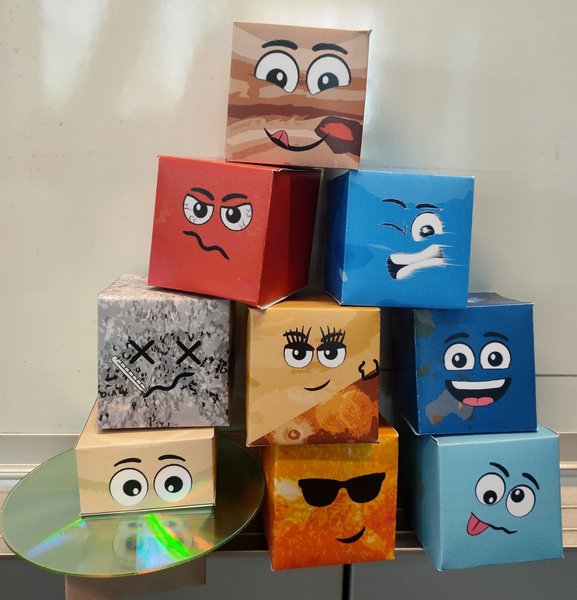
Earth, the happy planet. Mars, the angry guy. Jupiter, the big glutton. Did you ever imagine to build the planets of the Solar System as cubic characters with their own, brilliant personalities? Tailored for individual or team work, this activity allows students to...