Feb 5, 2026 | Big Ideia 8, OAE, Resource
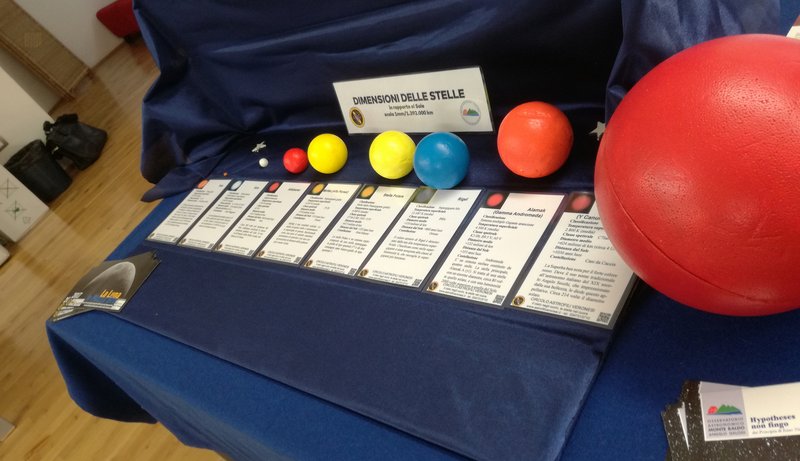
In this activity, you will learn about the dimensions of stars in comparison to the Sun with a set of polystyrene spheres. By using spheres of different colours, you will also learn about different types of stars and their evolution: from blue spheres, representing...
Feb 5, 2026 | Big Ideia 8, Black Hole, OAE, Resource
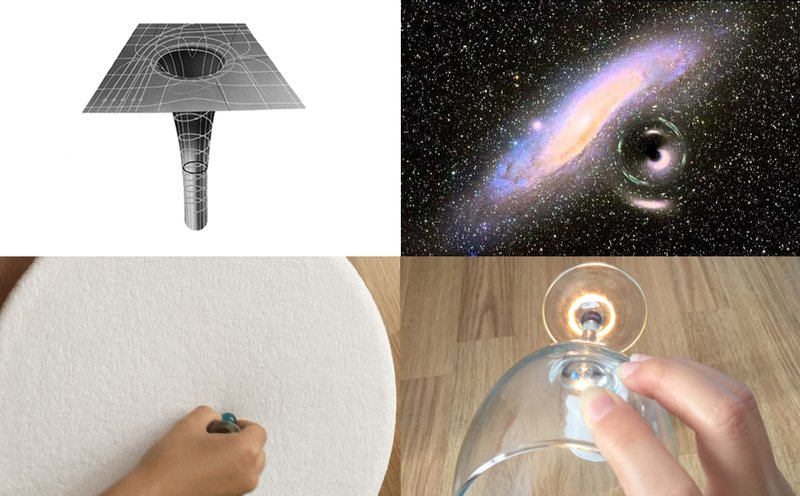
In this activity students will investigate how black holes are observed based on the effect they have on their surroundings making a model to simulate the gravitational lensing phenomenon that results from the black hole’s gravity bending light. Resource Link Access...
Feb 5, 2026 | Big Ideia 8, OAE, Resource
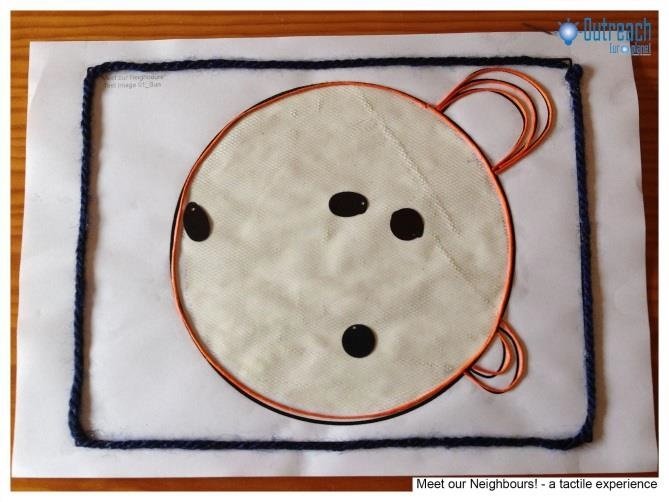
Using cheap, household items, we will build a tactile version of the Sun that can be used to identify the different characteristics of our star, like sunsposts. This cheap, tactile version of the Sun is a great resource to explore a star for both visually impaired and...
Feb 5, 2026 | Big Ideia 8, OAE, Resource
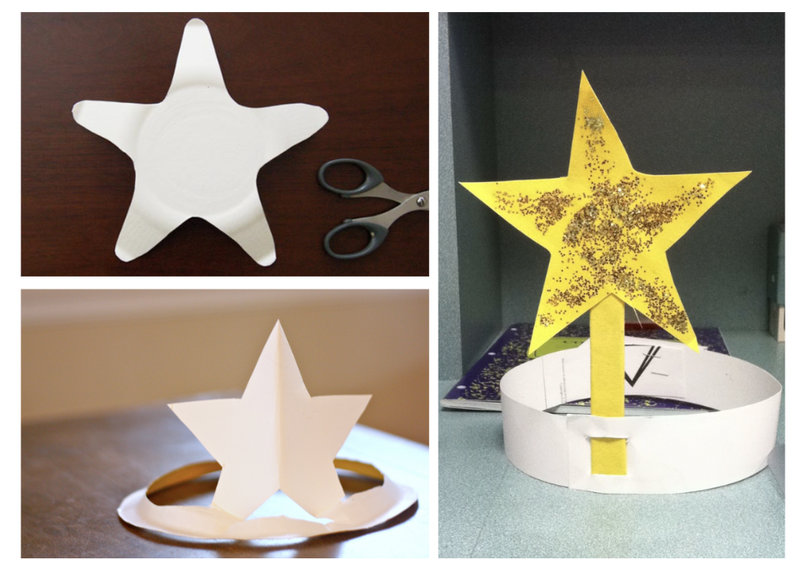
Draw artistic and scientific representations of the stars and learn about them. In this activity, the drawings are used by students to create star hats, which they then are presented to the class. Resource Link Access the complete activity resource Activity...
Feb 5, 2026 | Big Ideia 8, OAE, Resource
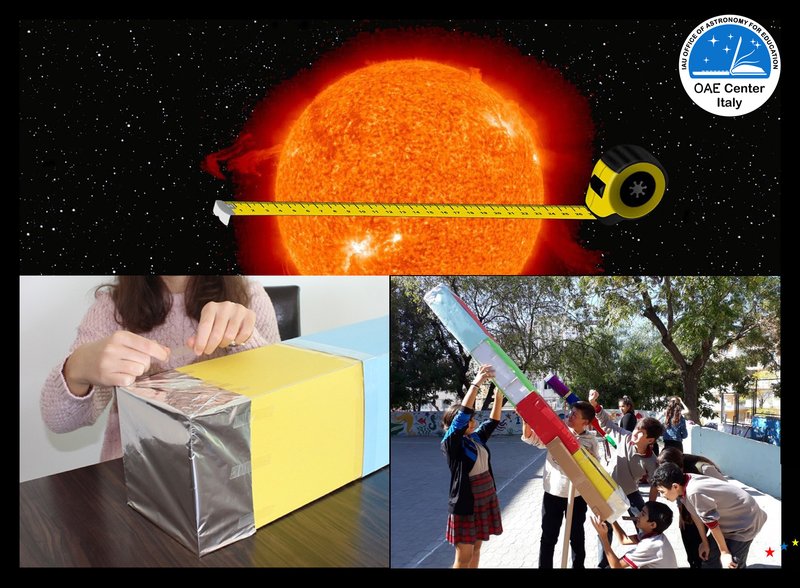
How big is the Sun? This activity uses some simple optics to project an image of our star by building and using a pinhole camera, and some simple geometry to determine the size of the Sun. NOTE: This is the English translation of an original activity proposed by NAEC...
Feb 5, 2026 | Big Ideia 8, OAE, Resource
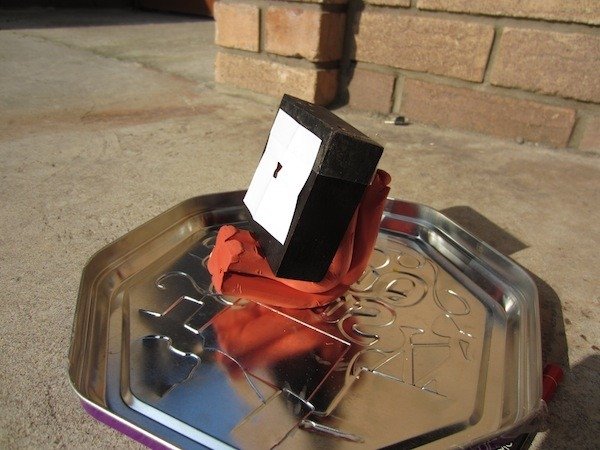
In this activity you will calculate the Sun’s diameter with a hands-on simple experiment done with simple, household materials and -of course- without looking directly at the Sun. You will just need to learn how to calculate ratios, a mirror, a stop-watch, and...