Feb 5, 2026 | Big Ideia 3, Big Ideia 4, Big Ideia 5, Big Ideia 6, Big Ideia 9, Galaxy, IAC, Resource
When we look up at the night sky with our eyes, almost all of the bright spots we see twinkling are stars in our galaxy, the Milky Way. If the night is dark, we can also see faint spots of light. These are the galaxies closest to our own, the Andromeda Galaxy and the...
Feb 5, 2026 | Big Ideia 1, Big Ideia 3, Big Ideia 4, Big Ideia 5, Big Ideia 7, Earth, IAC, Resource, Solar System
The Solar System contains the Sun, (at least) eight planets and their moons, and many smaller objects such as dwarf planets, asteroids, and comets. Inner and Outer Planets The Solar System containsthe Sun, (at least) eight planets and their moons, and many smaller...
Feb 5, 2026 | Big Ideia 4, Big Ideia 5, IAC, Resource, Solar System
This activity is part of teaching unit 4, Gas Giants. You can find the introduction and teaching guide here. Gas Giants – Saturn This activity is part of teaching unit 4, Gas Giants. You can find the introduction and teaching guide here. Saturnis the second largest...
Feb 5, 2026 | Big Ideia 4, OAE, Resource
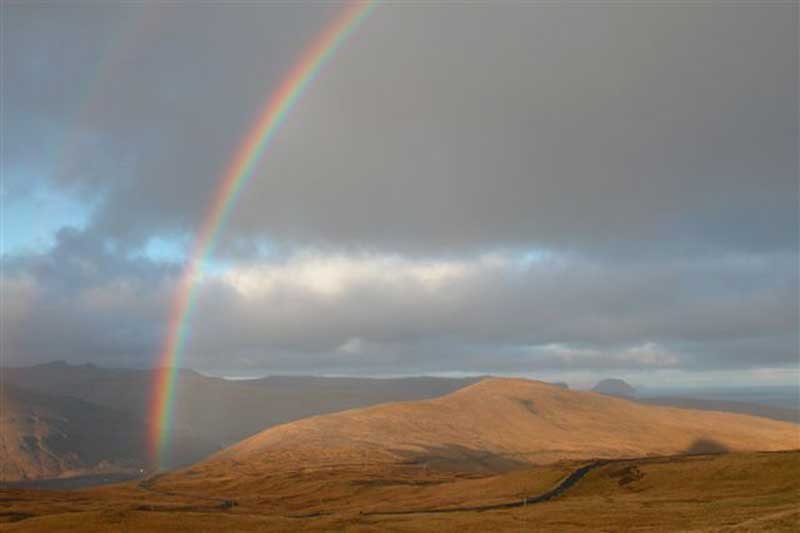
In this hands-on activity, we introduce students to the fundamentals of analyzing light and spectra, or spectroscopy. Using images from the Hubble Space Telescope (HST), students will undertsand that stars appear different colours. But why? Analysing a variety of...
Feb 5, 2026 | Big Ideia 4, OAE, Resource
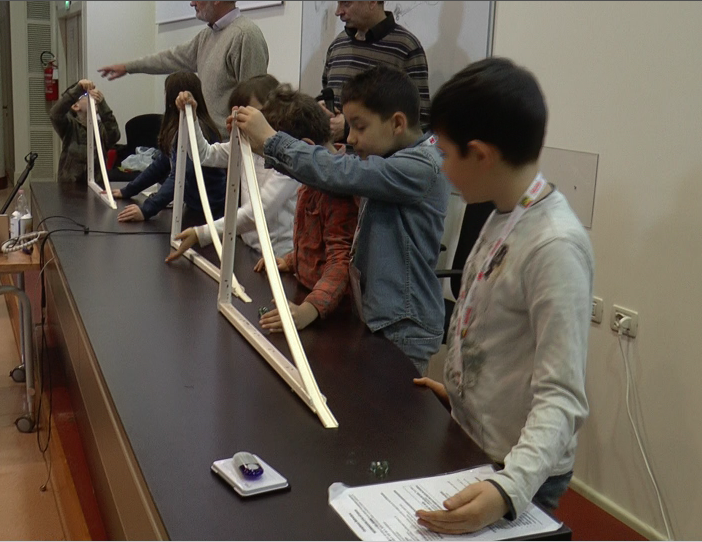
Let’s learn how to break particles to study their composition with a simple device (“the accelerator”). Students will study the effect of collisions between marbles, introducing various forms of energy, such as potential, kinetic and binding energy...
Feb 5, 2026 | Big Ideia 4, Big Ideia 5, OAE, Resource
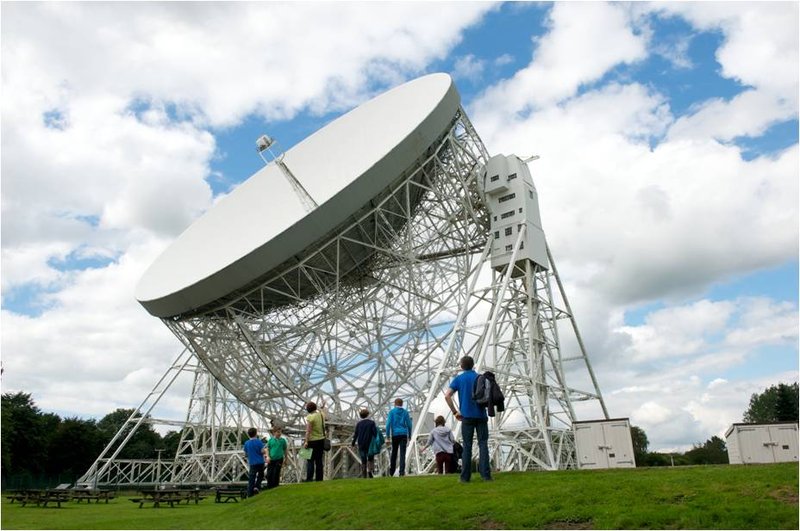
Students perform an investigation to measure the strength of gravity on Earth, either by measuring the acceleration of a falling object or by using Newton meters to weigh masses. They learn investigative skills as well as Newton’s classic model of gravity. Then...