Feb 5, 2026 | Big Idea 8, OAE, Resource
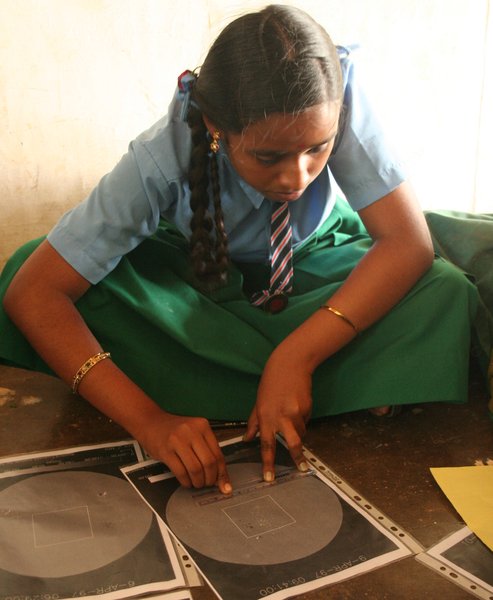
In this hands-on activity, students will apply the definition of average speed to a “real-case” astronomical phenomenon, finding out the Sun’s rotation period using real astronomical images. This activity can also be performed on computers. Resource Link Access the...
Feb 5, 2026 | Big Idea 8, OAE, Resource
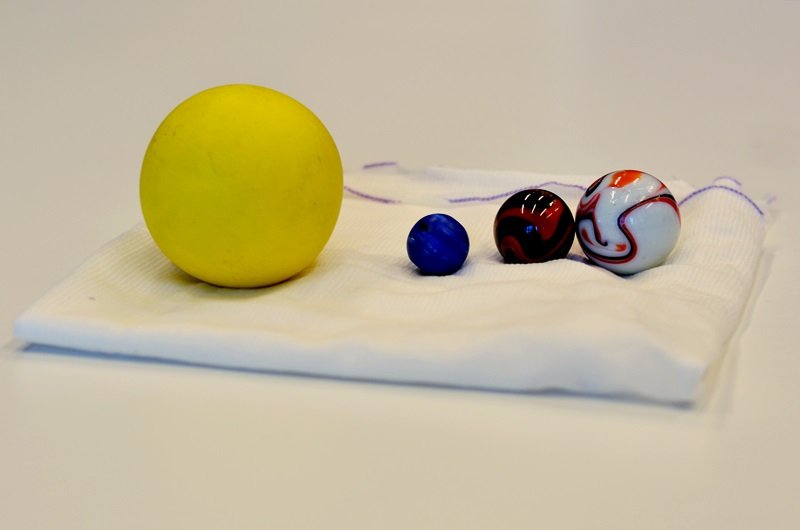
With this fun, hands-on activity, students will build an interactive model of a black hole using low-cost and easy to find material gaining a basic understanding of what a black hole is and how its gravity affects space-time. Resource Link Access the complete activity...
Feb 5, 2026 | Big Idea 8, OAE, Resource
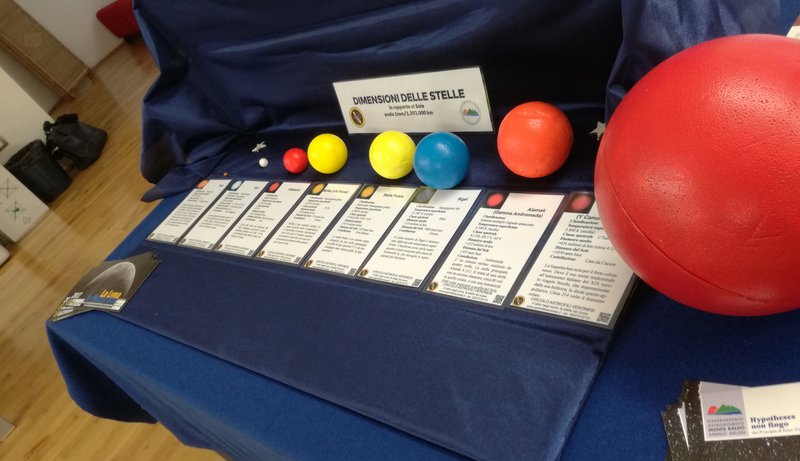
In this activity, you will learn about the dimensions of stars in comparison to the Sun with a set of polystyrene spheres. By using spheres of different colours, you will also learn about different types of stars and their evolution: from blue spheres, representing...
Feb 5, 2026 | Big Idea 8, OAE, Resource
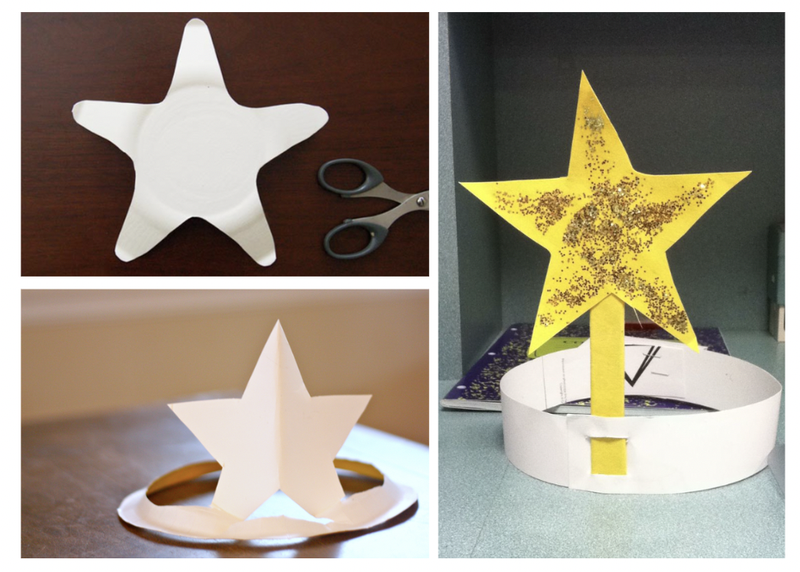
Draw artistic and scientific representations of the stars and learn about them. In this activity, the drawings are used by students to create star hats, which they then are presented to the class. Resource Link Access the complete activity resource Activity...
Feb 5, 2026 | Big Idea 8, OAE, Resource
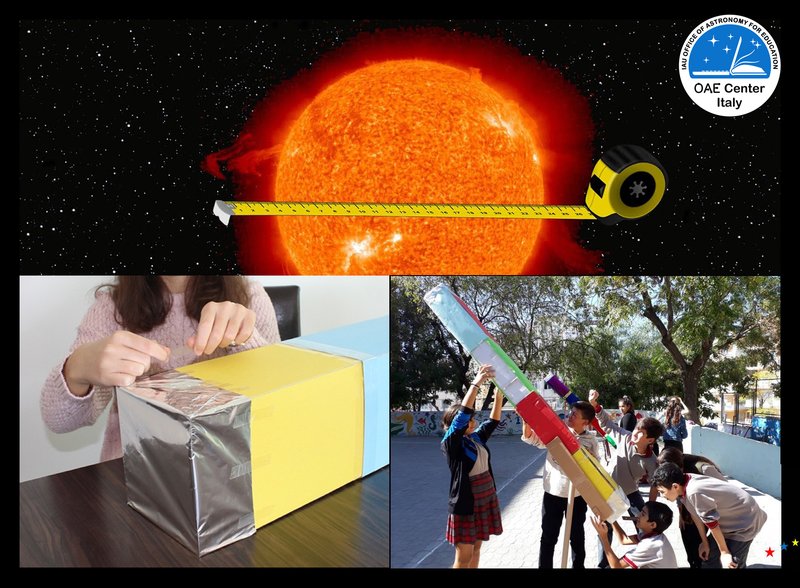
How big is the Sun? This activity uses some simple optics to project an image of our star by building and using a pinhole camera, and some simple geometry to determine the size of the Sun. NOTE: This is the English translation of an original activity proposed by NAEC...
Feb 5, 2026 | Big Idea 8, OAE, Resource
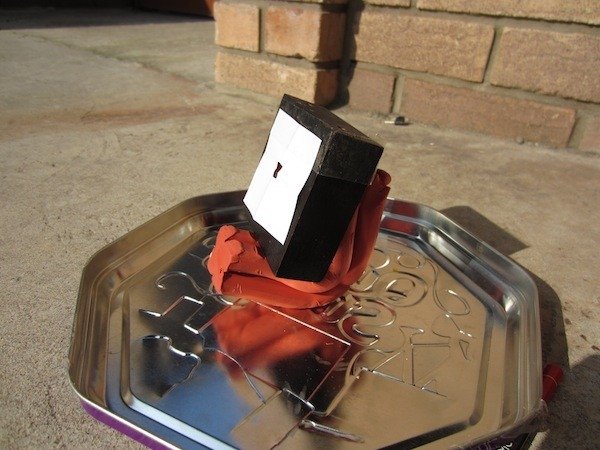
In this activity you will calculate the Sun’s diameter with a hands-on simple experiment done with simple, household materials and -of course- without looking directly at the Sun. You will just need to learn how to calculate ratios, a mirror, a stop-watch, and...