Feb 5, 2026 | Big Idea 7, OAE, Resource
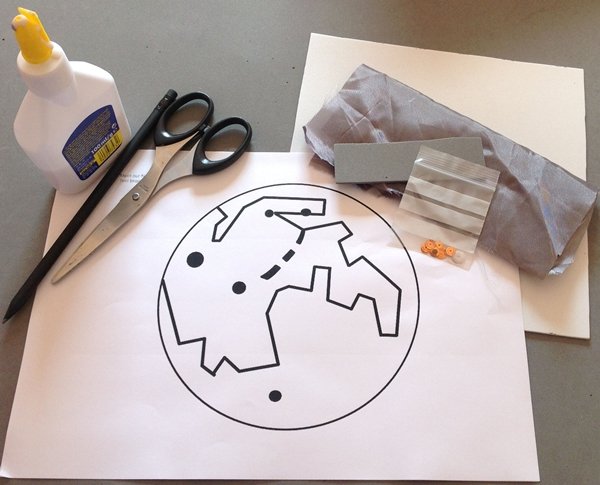
Let’s build a tactile version of the Moon using cheap, household items. We can use this model to identify the different tactile characteristics of our satellite. This cheap, tactile version of the moon is a great resource to explore lunar features for both...
Feb 5, 2026 | Big Idea 11, Big Idea 7, Earth, OAE, Resource, Solar System
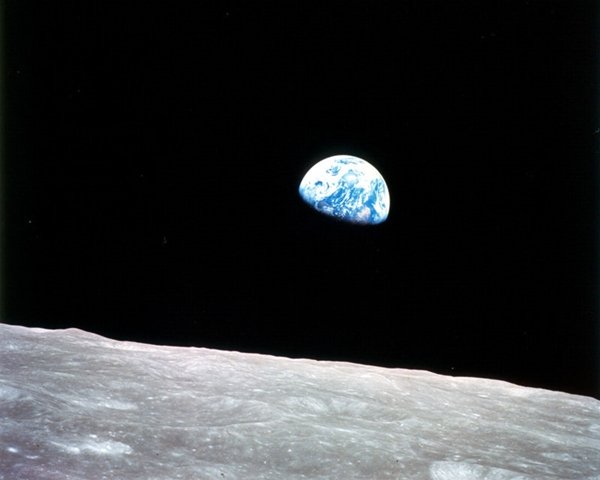
The activity is a guided voyage in Space that uses videos, images and hands-on activities to help students learn about scales and distances of the Solar System and understand how important yet small the Earth is. It should also give students a sense of global...
Feb 5, 2026 | Big Idea 7, OAE, Resource, Solar System
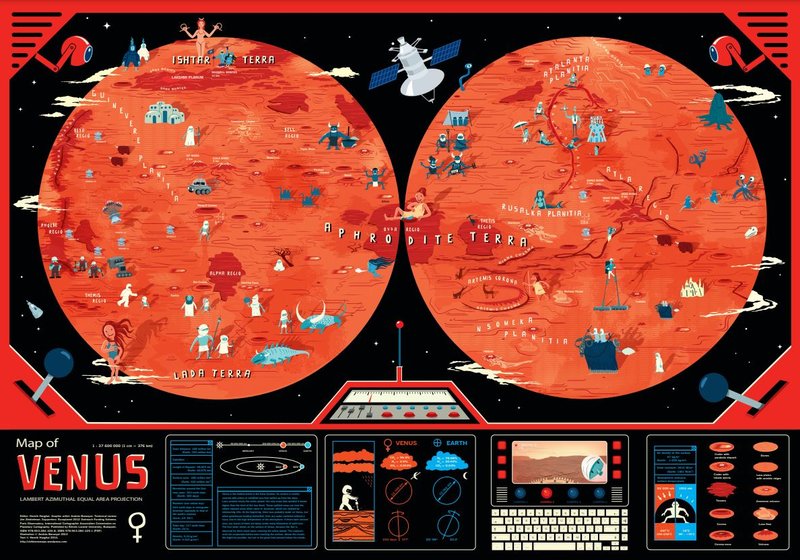
Using planetary maps, students will be able to read cartographic information and compare the environmental conditions of Venus to those Earth. They will understand the conditions needed for life to exist, and be able to explain why it cannot exist on Venus. Resource...
Feb 5, 2026 | Big Idea 7, OAE, Resource, Solar System
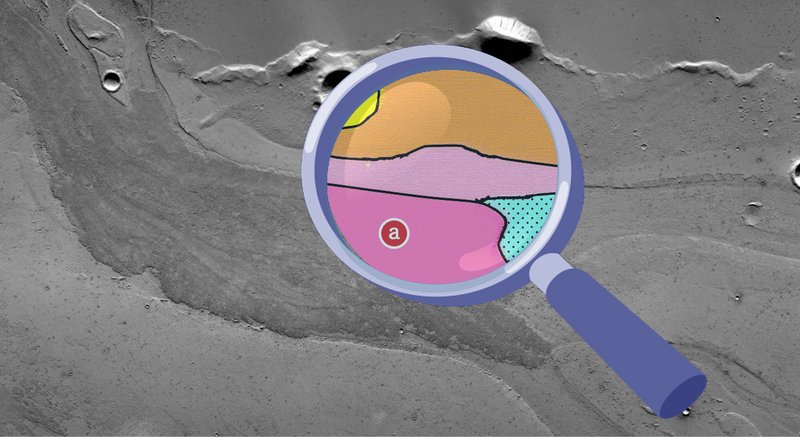
With this hands-on activity, students will learn the basic concepts of planetary geologic mapping based on photointerpretation of spacecraft images of planetary surfaces. They will practice on different images of planet Mars, reconstructing the sequence of events that...
Feb 5, 2026 | Big Idea 7, OAE, Resource, Solar System
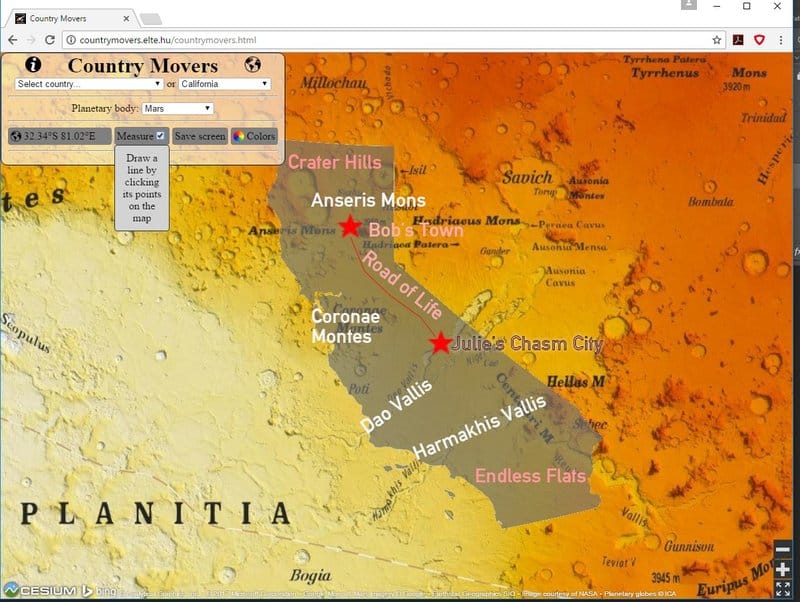
Students learn about local and planetary physical geography, geology, toponymy, planetary landing site selection and cartography. Using a Website called Country Movers to work with maps, students learn how to interpret photomaps or digital terrain models, getting an...
Feb 5, 2026 | Big Idea 7, OAE, Resource
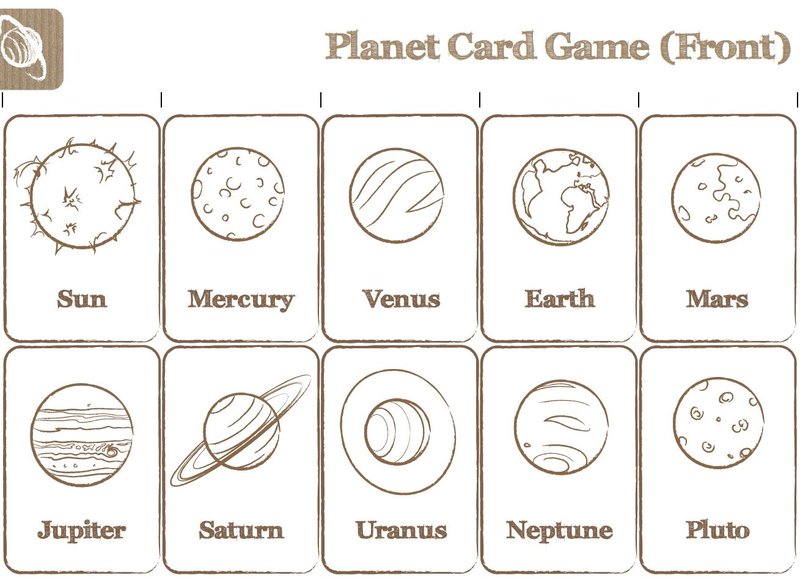
Students play a game of printable cards to become familiar with the planets of the Solar System. By playing, they learn that all planets go around the Sun and some properties about these planets. They also learn the name of the planets and their order in the Solar...