Feb 5, 2026 | Big Idea 11, OAE, Resource, Solar System
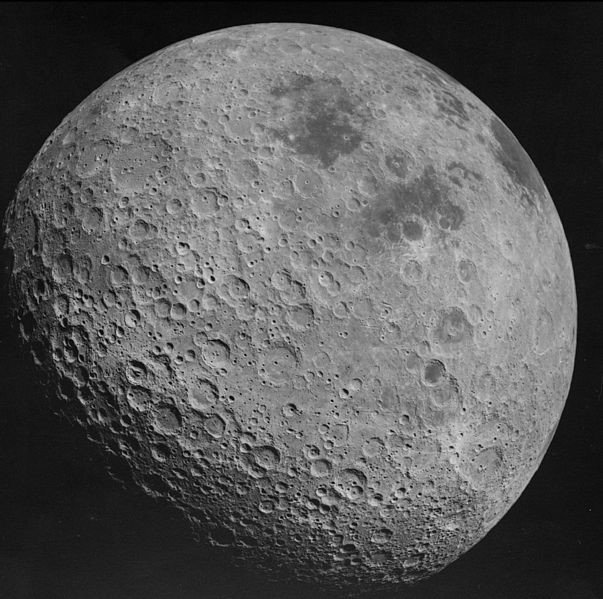
With this activity, stydents learn how craters are made from the impact of an asteroid hitting the Earth and the effects this can have. With a fun, simple, but quantitative experiment, they will learn how the crater size depends on the impactor mass and the impact...
Feb 5, 2026 | Big Idea 11, OAE, Resource
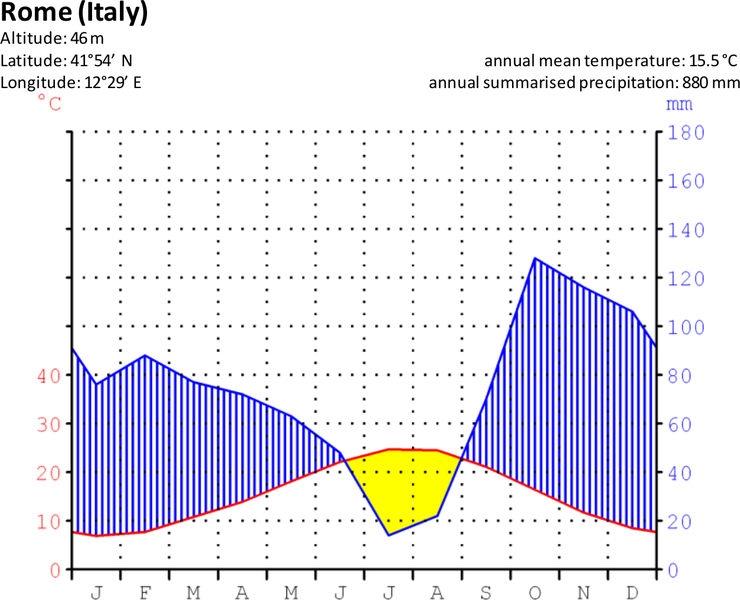
With this activity, students can understand that climate is the long-term average of weather activity and that climate zones are defined depending on average conditions, learning to apply and interpret climate charts. Dealing with climate, students will also learn...
Feb 5, 2026 | Big Idea 11, OAE, Resource
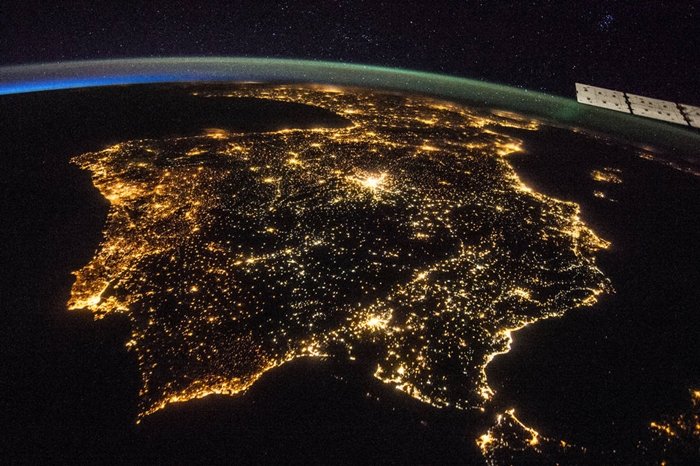
How much light pollution affects our vision of the night sky? This guided observational activity engages students taking part in a global citizen science campaign to determine how light pollution varies in a given location. Through the process students also learn how...
Feb 5, 2026 | Big Idea 11, Earth, OAE, Resource, Star
Students conduct an investigation by working together and they explain what causes light pollution and present to the public their results and possible solutions to help solve this problem. Resource Link Access the complete activity resource Activity Information...
Feb 5, 2026 | Big Idea 11, Earth, OAE, Resource
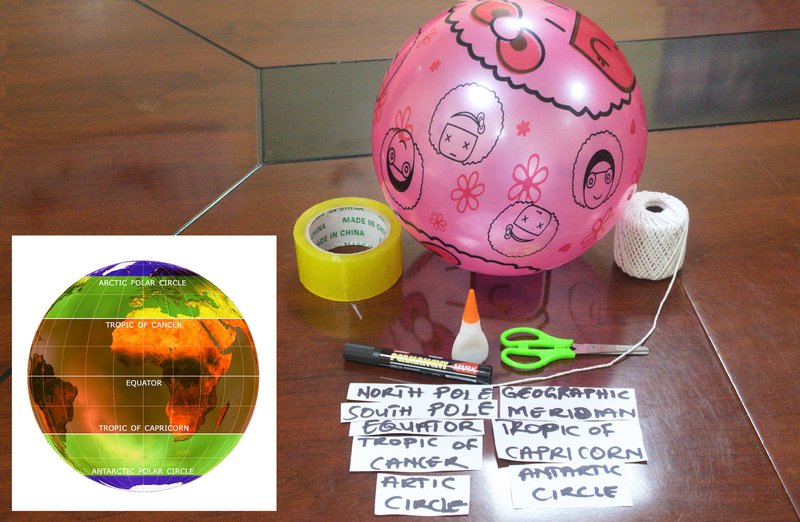
Using common objects from their environment, students go on an interactive journey to learn about how the Earth is divided into different climatic zones. Learners will be able to identify and visualise the various climate zones of our world via practical...
Feb 5, 2026 | Big Idea 11, Big Idea 7, Earth, OAE, Resource, Solar System
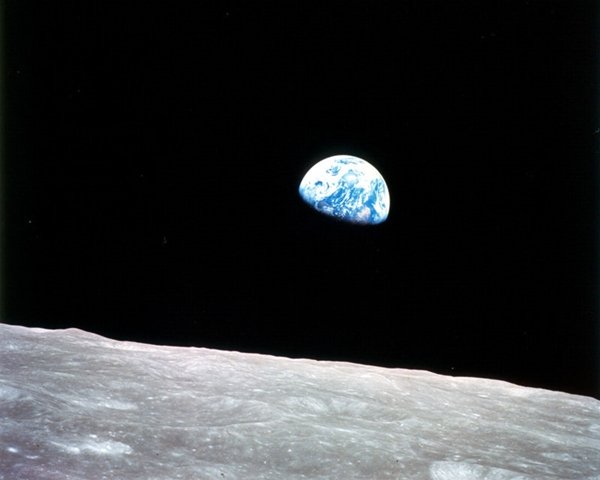
The activity is a guided voyage in Space that uses videos, images and hands-on activities to help students learn about scales and distances of the Solar System and understand how important yet small the Earth is. It should also give students a sense of global...