Feb 5, 2026 | Big Idea 11, Big Idea 2, Big Idea 4, Big Idea 5, Big Idea 8, IAC, Resource, Sun
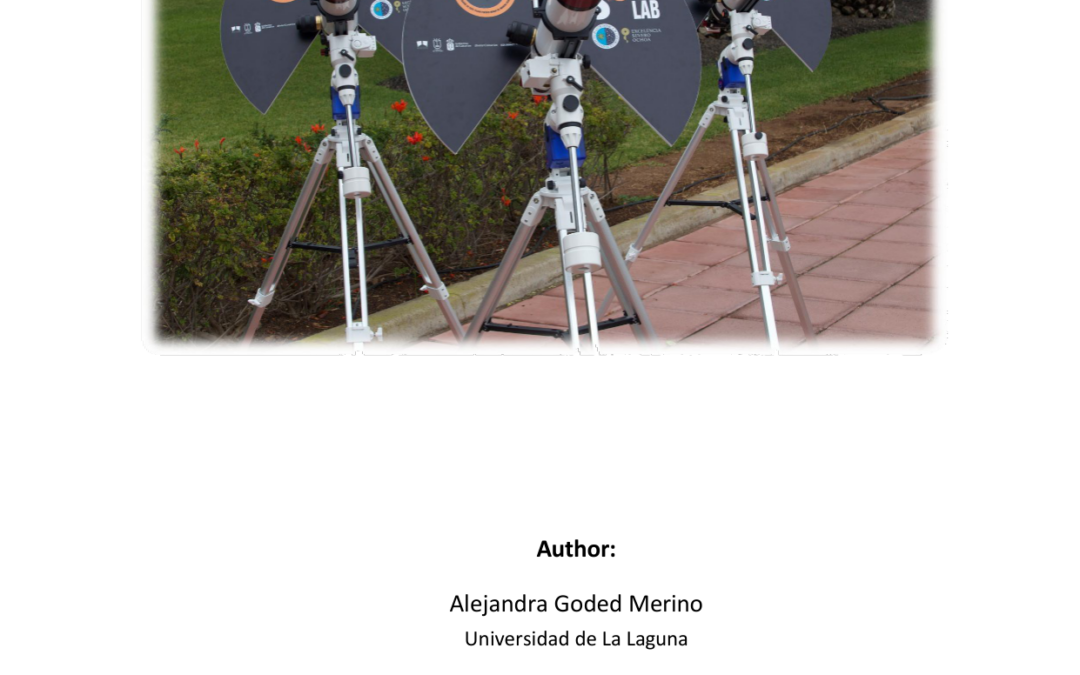
Understanding solar activity is relevant because the physical phenomena that cause it cannot be studied on Earth, and also because it allows us to predict space weather. Solar storms (coronal mass ejections) carry large amounts of charged particles that form auroras...
Feb 5, 2026 | Big Idea 11, OAE, Resource
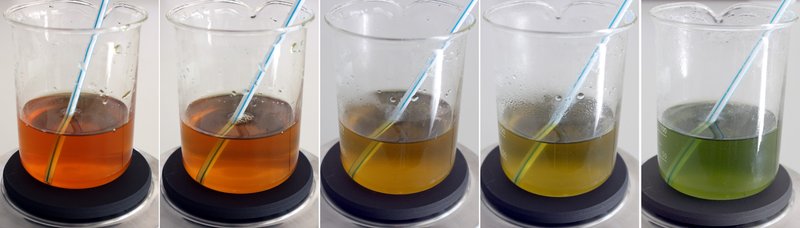
In the experiments of this activity students learn how to turn water into an acid by introducing carbon dioxide and how to neutralise the solution back to water. This is an analogy of what happens on Earth, when water is exposed to the main greenhouse gas, carbon...
Feb 5, 2026 | Big Idea 11, Earth, OAE, Resource, Star
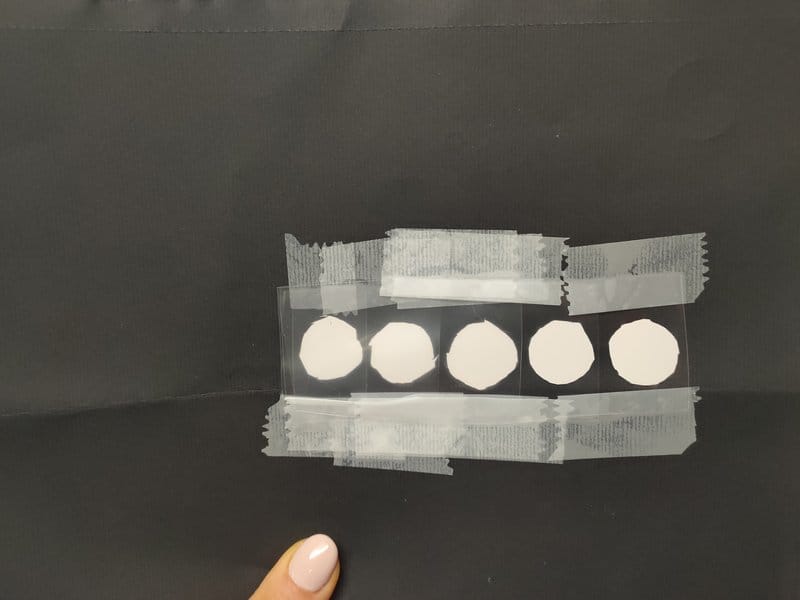
What is light pollution, what are its impacts, and how can it be mitigated? In this activity, students will build a magntidue reader with very simple materials and use it to learn how light pollution affects the visibility of stars, by making simple experimental...
Feb 5, 2026 | Big Idea 11, OAE, Resource, Solar System
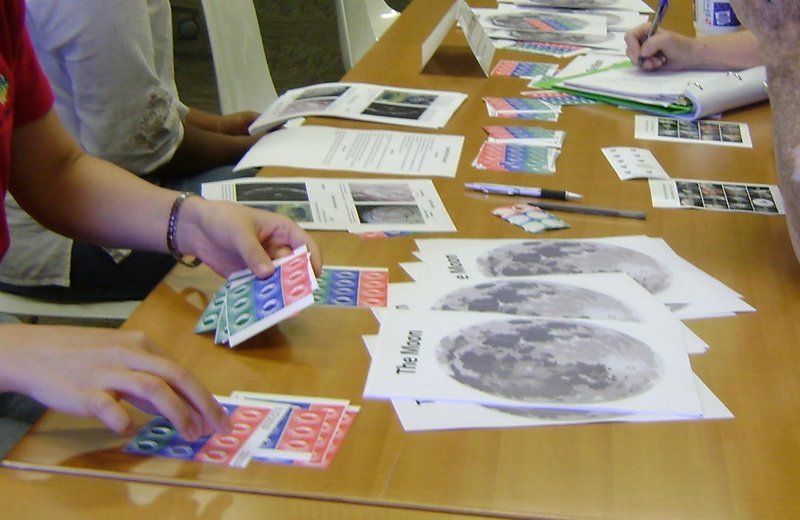
In Age that Crater! students will learn about the existence of craters on the Moon and on other planetary bodies and how they occur. They can also learn how to approximately age these craters, comparing them to other craters. This activity gives young students an...
Feb 5, 2026 | Big Idea 11, OAE, Resource, Solar System
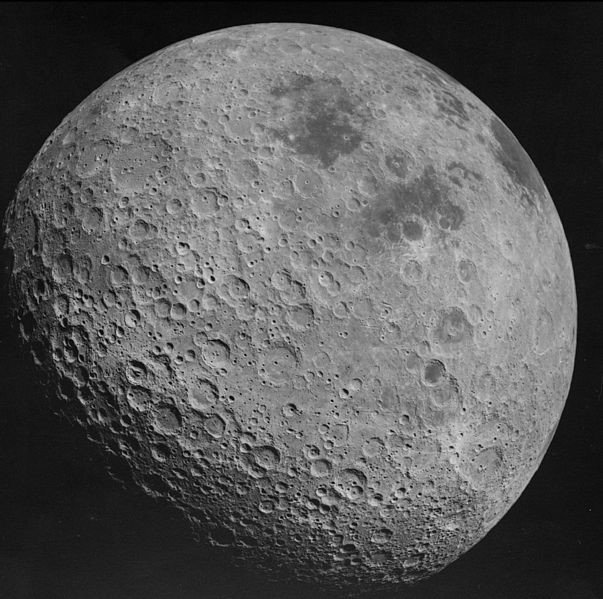
With this activity, stydents learn how craters are made from the impact of an asteroid hitting the Earth and the effects this can have. With a fun, simple, but quantitative experiment, they will learn how the crater size depends on the impactor mass and the impact...
Feb 5, 2026 | Big Idea 11, OAE, Resource
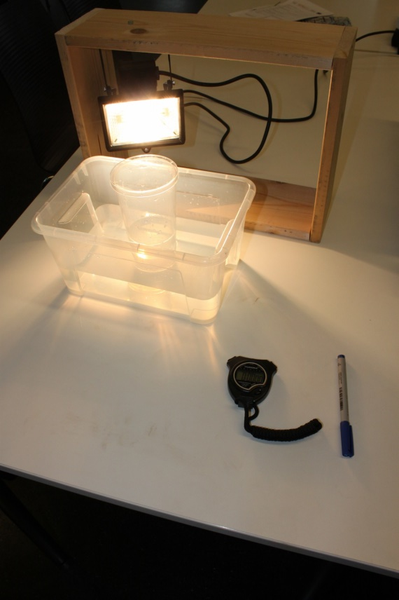
In this activity, students will carry out two simple experiments to simulate the melting of land and sea ice on Earth, to understand the different effects that this melting down has on global sea levels and how it is relevant to climate change. Resource Link Access...