Feb 5, 2026 | Big Idea 1, OAE, Resource
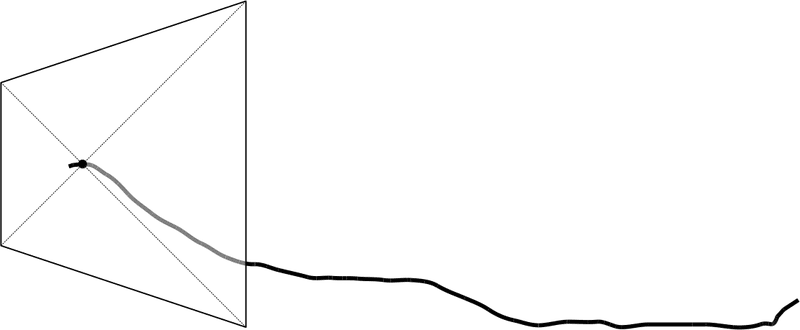
With this activity, the students will learn how the Arabian sailors navigated at Sea many centuries ago, building and learning how to use a kamal, a simple tool to measure the elevations of stars and our position on Earth. This activity uses the example of the kamal...
Feb 5, 2026 | Big Idea 1, OAE, Resource
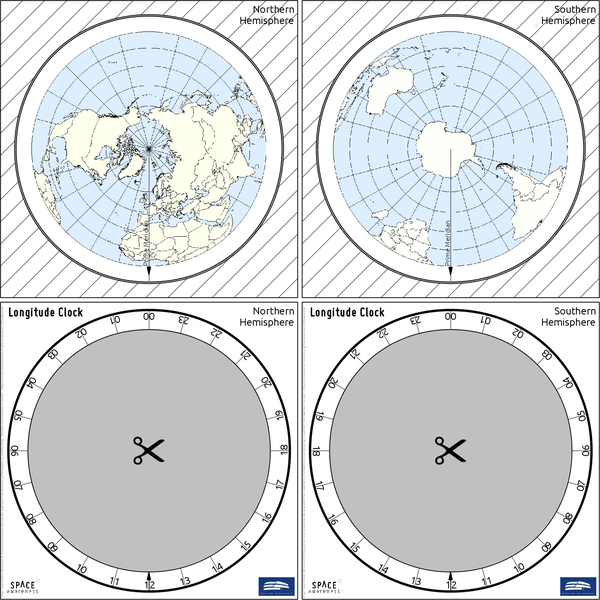
This activity highlights the navigational challenges in determining longitude from time measurements. Students build their own longitude clock that visualises in a simple way how to determine longitude via time measurements. They practise basic math, understanding the...
Feb 5, 2026 | Big Idea 1, OAE, Resource
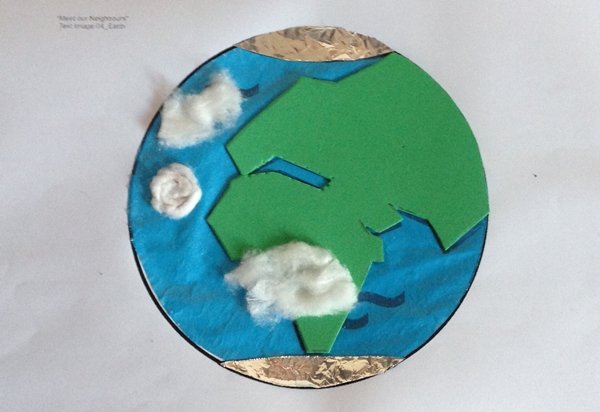
Learn how to build a tactile version of the Earth using cheap, household items andhow to use this model to identify the different characteristics of the planet. This cheap, tactile version of our planet is a great resource to explore its features for both visually...
Feb 5, 2026 | Big Idea 1, OAE, Resource
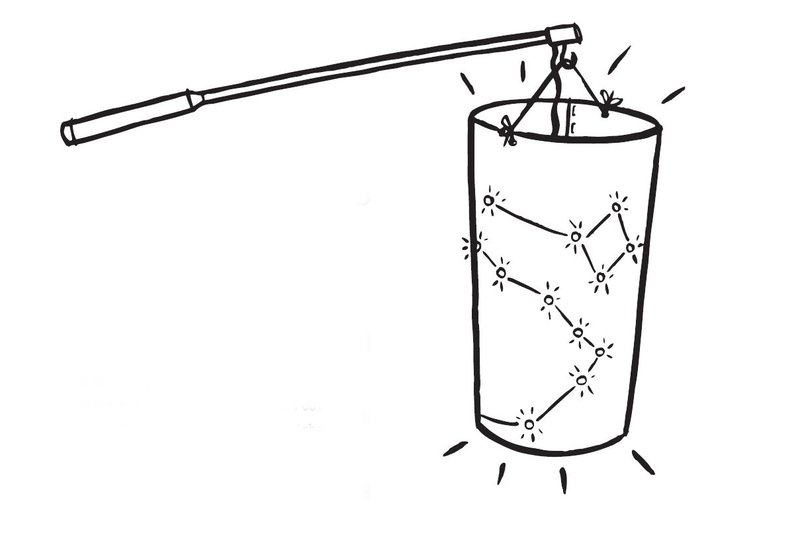
Students build a star lantern and by implementing this activity, they learn that people have created constellations. They learn that a constellation is composed of different stars and can recognise some of them. Resource Link Access the complete activity resource...
Feb 5, 2026 | Big Idea 1, OAE, Resource
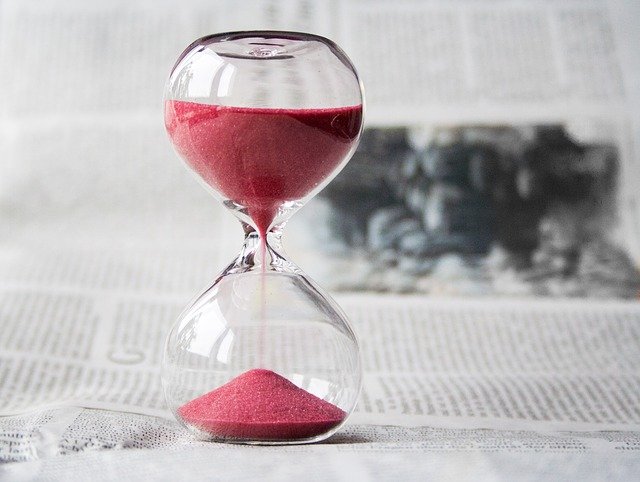
In this activity, students will understand that it is difficult to tell the time without an instrument and will build and test an hourglass to measure time. They acquire an understanding of what causes day and night and comprehend time differences. Students will also...
Feb 5, 2026 | Big Idea 1, OAE, Resource
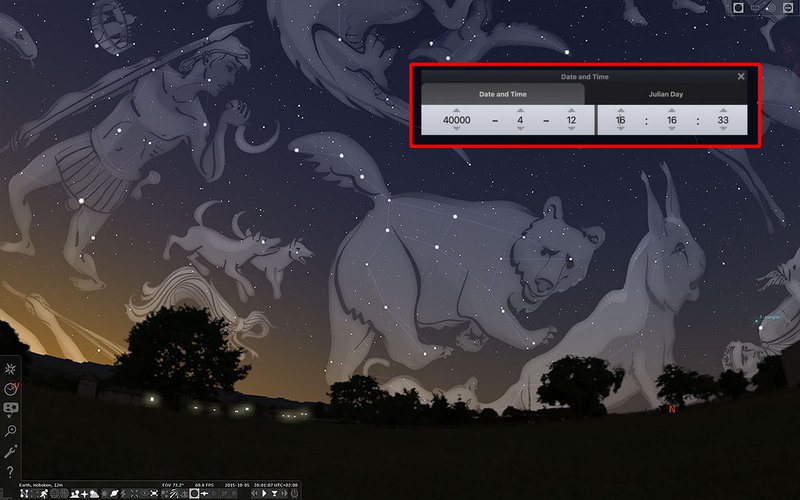
We usually think that stars are fixed in the sky and that their mutual positions do not change in time. Ancient civilizations built their religious and philosophical systems on this empirical evidence. However, we now know that this is not true; stars have proper...