Feb 5, 2026 | Big Ideia 11, Big Ideia 2, Big Ideia 4, Big Ideia 5, Big Ideia 8, IAC, Resource, Sun
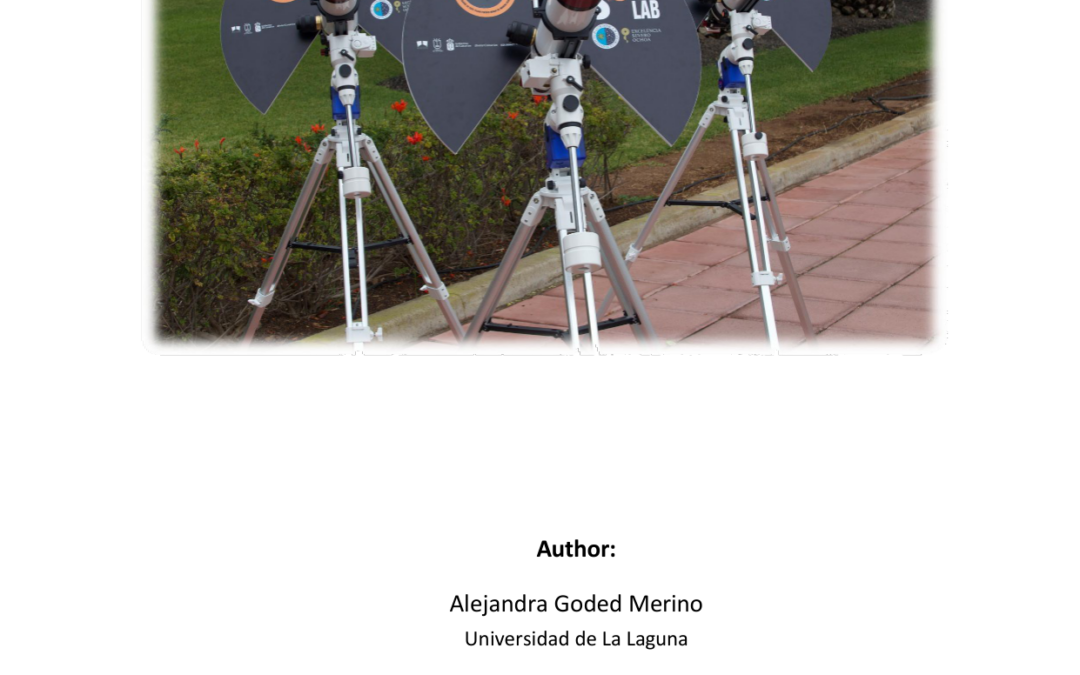
Understanding solar activity is relevant because the physical phenomena that cause it cannot be studied on Earth, and also because it allows us to predict space weather. Solar storms (coronal mass ejections) carry large amounts of charged particles that form auroras...
Feb 5, 2026 | Big Ideia 2, OAE, Resource
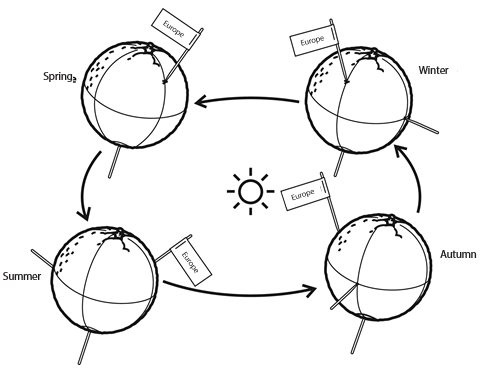
Build a model of the Earth and understand the concept of seasons around the world! After completing the activity, students learn that seasons are determined by the angle at which the rays of the Sun fall on the Earth. So at the Equator there is very little difference...
Feb 5, 2026 | Big Ideia 11, OAE, Resource
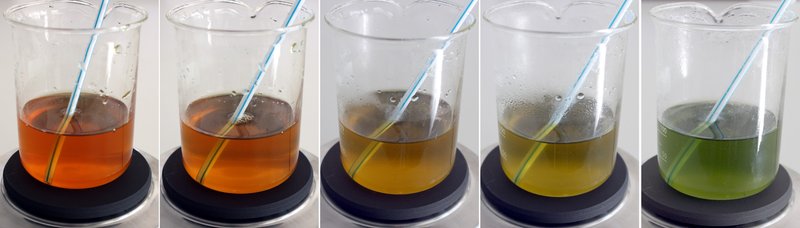
In the experiments of this activity students learn how to turn water into an acid by introducing carbon dioxide and how to neutralise the solution back to water. This is an analogy of what happens on Earth, when water is exposed to the main greenhouse gas, carbon...
Feb 5, 2026 | Big Ideia 7, OAE, Resource, Solar System
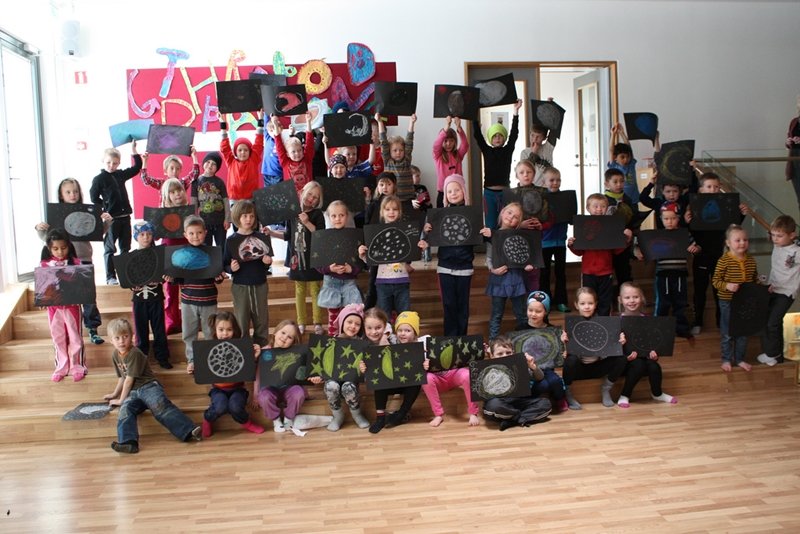
In this activity we ask students to make a protrait of their favorite moon. Dealing with the creative side, this activity makes students them learn more about the moons of the solar system. This combination of art and science engages the students to express their...
Feb 5, 2026 | Big Ideia 11, OAE, Resource, Solar System
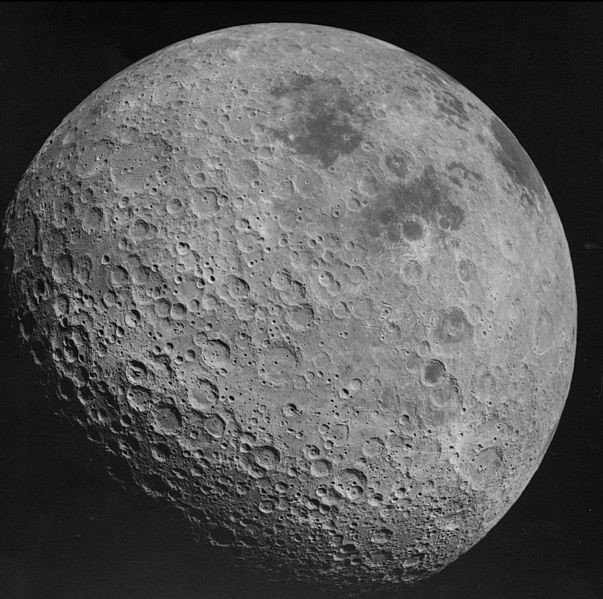
With this activity, stydents learn how craters are made from the impact of an asteroid hitting the Earth and the effects this can have. With a fun, simple, but quantitative experiment, they will learn how the crater size depends on the impactor mass and the impact...
Feb 5, 2026 | Big Ideia 1, OAE, Resource
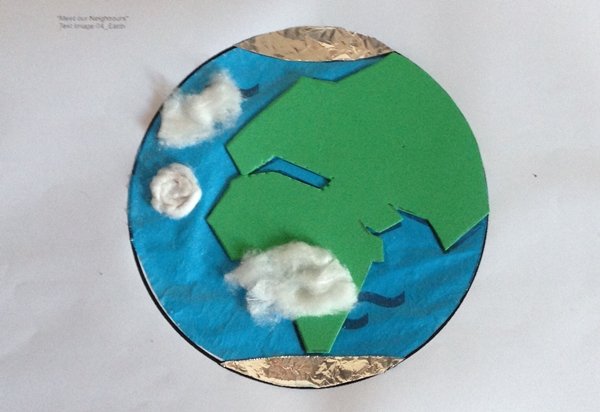
Learn how to build a tactile version of the Earth using cheap, household items andhow to use this model to identify the different characteristics of the planet. This cheap, tactile version of our planet is a great resource to explore its features for both visually...