Feb 5, 2026 | Big Ideia 1, OAE, Resource, Star
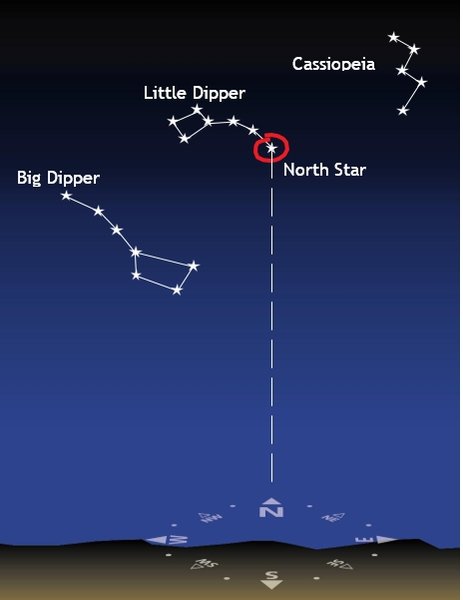
The Earth is a globe and we can define our position on it by using latitude and longitude. With this hands-on activity, students can find their location on a globe and describe it in terms of longitude and latitude, using a compass, the night sky and a protractor....
Feb 5, 2026 | Big Ideia 7, OAE, Resource
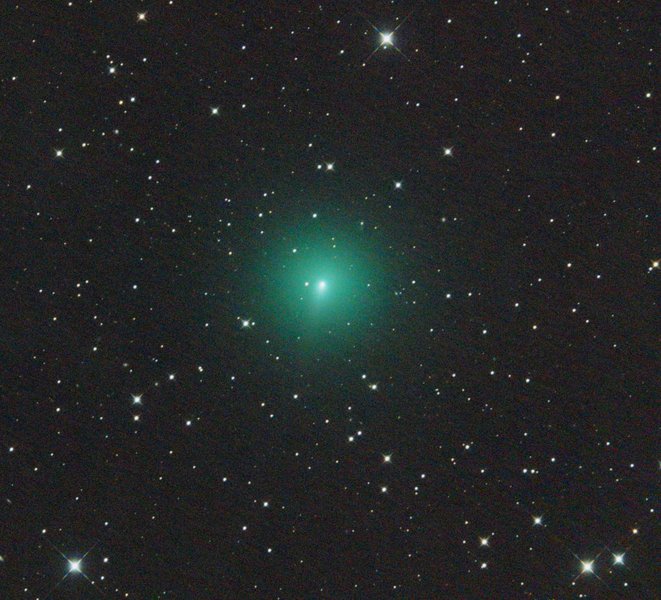
Using telescope images of comet C/2019 Y4 we calculate its average speed and understand what a physical quantity is. Resource Link Access the complete activity resource Activity Information Partner Organization: OAE Age Range: 12 – 19+ years Education Level:...
Feb 5, 2026 | OAE, Resource
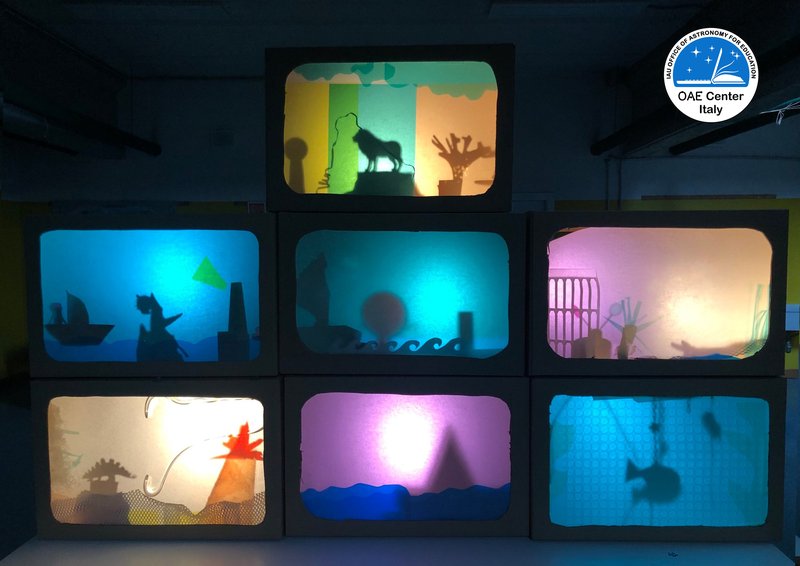
In this activity students play with light and create their light sculptures. These unique installations are created in box-screens lit from the inside to become part of a collective installation that can be displayed as a piece of collective artwork. As a tinkering...
Feb 5, 2026 | Big Ideia 8, OAE, Resource
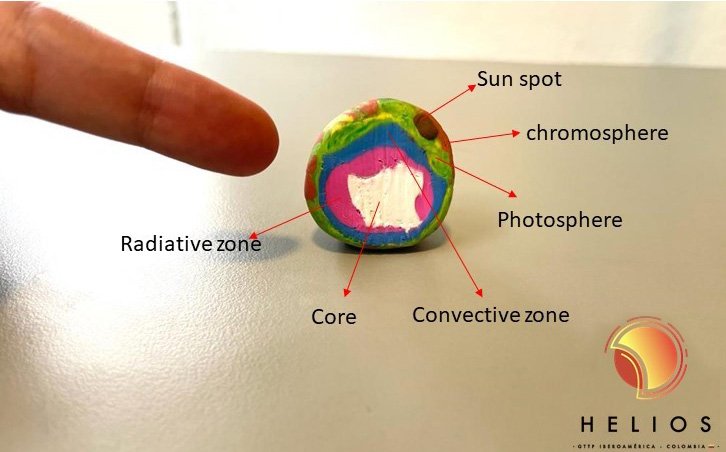
The Sun is the nearest star and generates great interest in children and young people. Knowing its structure is important to understand how it works, its influence on our planet and to understand more about other stars in the Universe. In this activity, by building a...
Feb 5, 2026 | Big Ideia 11, Big Ideia 7, Earth, OAE, Resource, Solar System
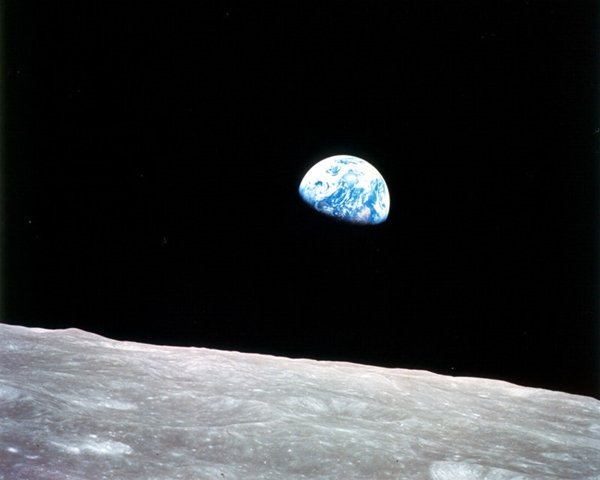
The activity is a guided voyage in Space that uses videos, images and hands-on activities to help students learn about scales and distances of the Solar System and understand how important yet small the Earth is. It should also give students a sense of global...
Feb 5, 2026 | Big Ideia 7, OAE, Resource, Solar System
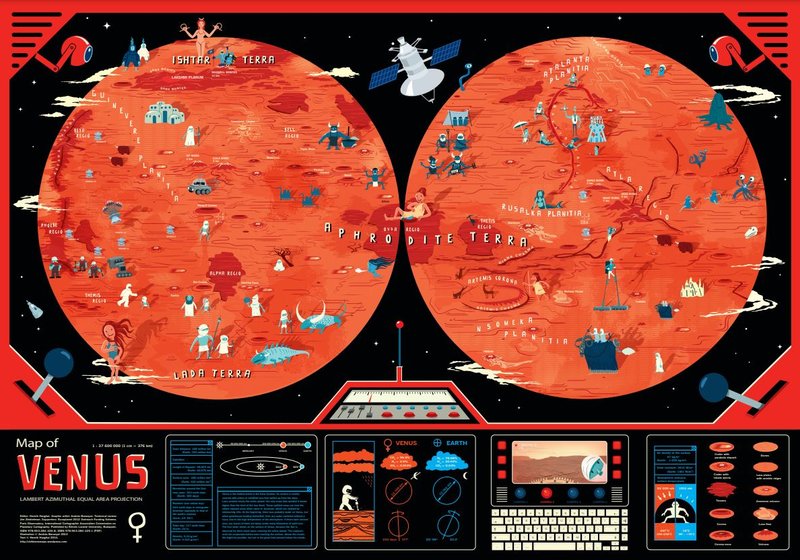
Using planetary maps, students will be able to read cartographic information and compare the environmental conditions of Venus to those Earth. They will understand the conditions needed for life to exist, and be able to explain why it cannot exist on Venus. Resource...