Feb 5, 2026 | Big Ideia 1, OAE, Resource
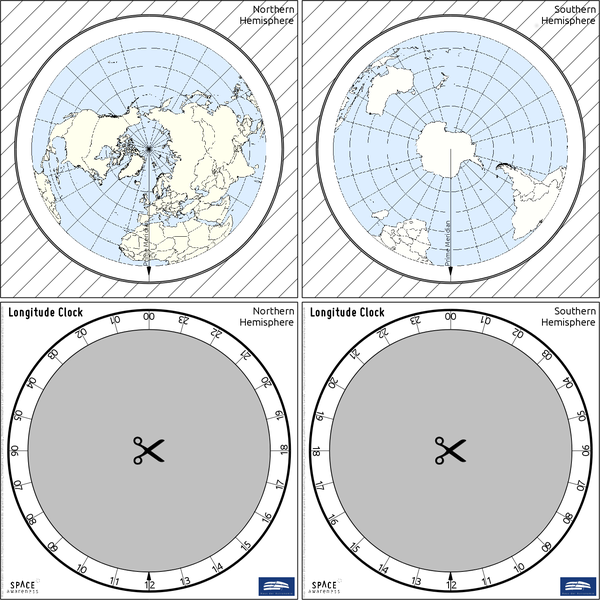
This activity highlights the navigational challenges in determining longitude from time measurements. Students build their own longitude clock that visualises in a simple way how to determine longitude via time measurements. They practise basic math, understanding the...
Feb 5, 2026 | Big Ideia 11, OAE, Resource, Solar System
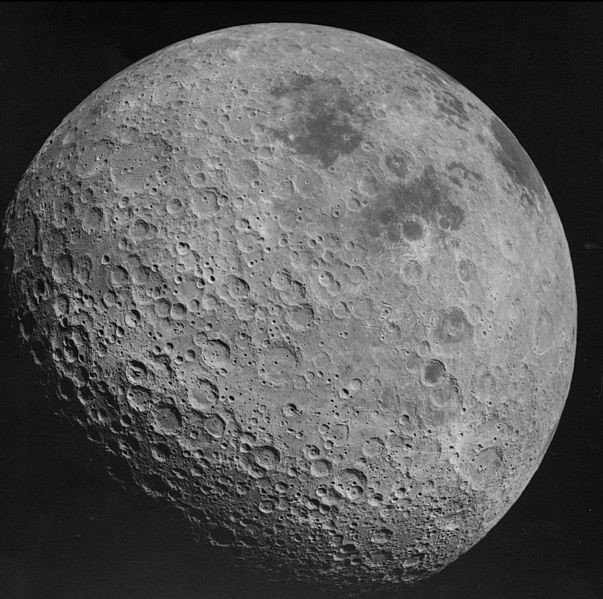
With this activity, stydents learn how craters are made from the impact of an asteroid hitting the Earth and the effects this can have. With a fun, simple, but quantitative experiment, they will learn how the crater size depends on the impactor mass and the impact...
Feb 5, 2026 | Big Ideia 1, OAE, Resource
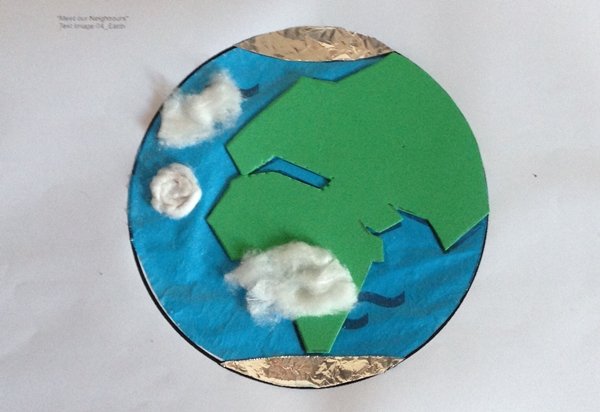
Learn how to build a tactile version of the Earth using cheap, household items andhow to use this model to identify the different characteristics of the planet. This cheap, tactile version of our planet is a great resource to explore its features for both visually...
Feb 5, 2026 | Big Ideia 11, OAE, Resource
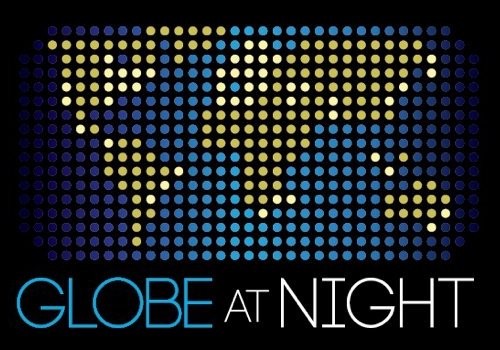
How much light pollution affects our vision of the night sky? This guided observational activity engages students taking part in a global citizen science campaign to determine how light pollution varies in a given location. Through the process students also learn how...
Feb 5, 2026 | Big Ideia 1, OAE, Resource
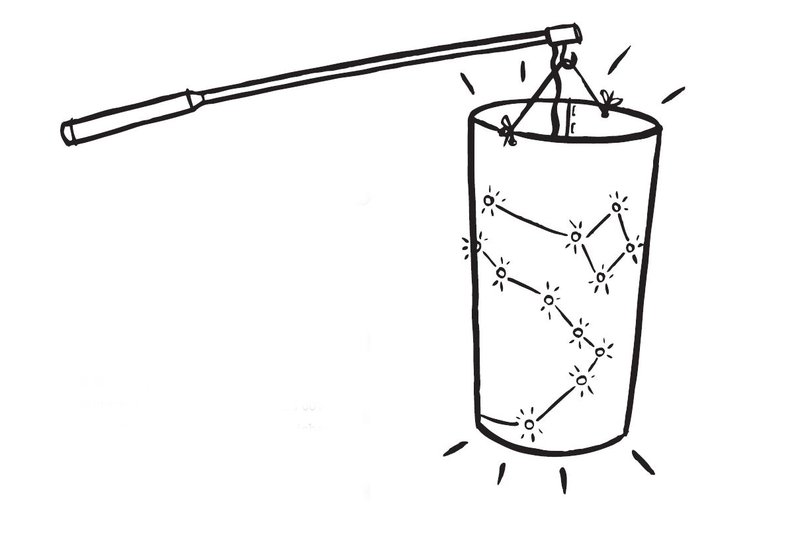
Students build a star lantern and by implementing this activity, they learn that people have created constellations. They learn that a constellation is composed of different stars and can recognise some of them. Resource Link Access the complete activity resource...
Feb 5, 2026 | Big Ideia 5, OAE, Resource
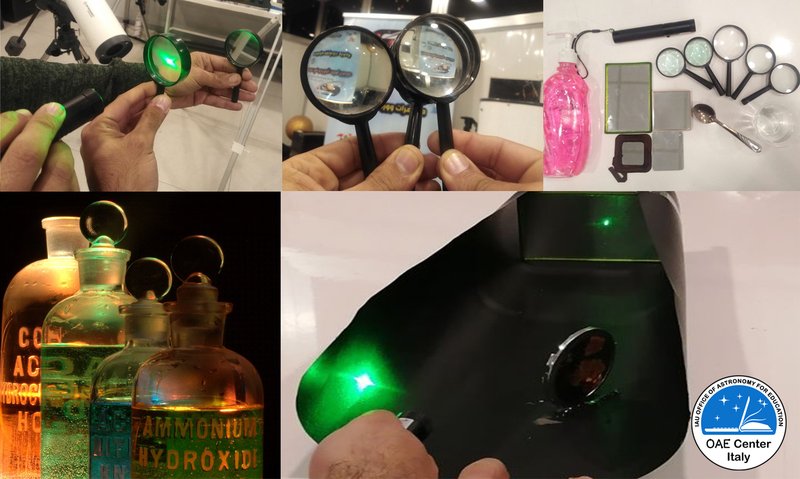
Telescopes collect the light received from very dim and really far away celestial objects. Discover how they do this using very simple optics in a series of hands-on activities where we will guide light using objects like mirrors, lenses, lasers, glasses and bottles...